We may earn a commission from links on this page, at no extra cost to you.
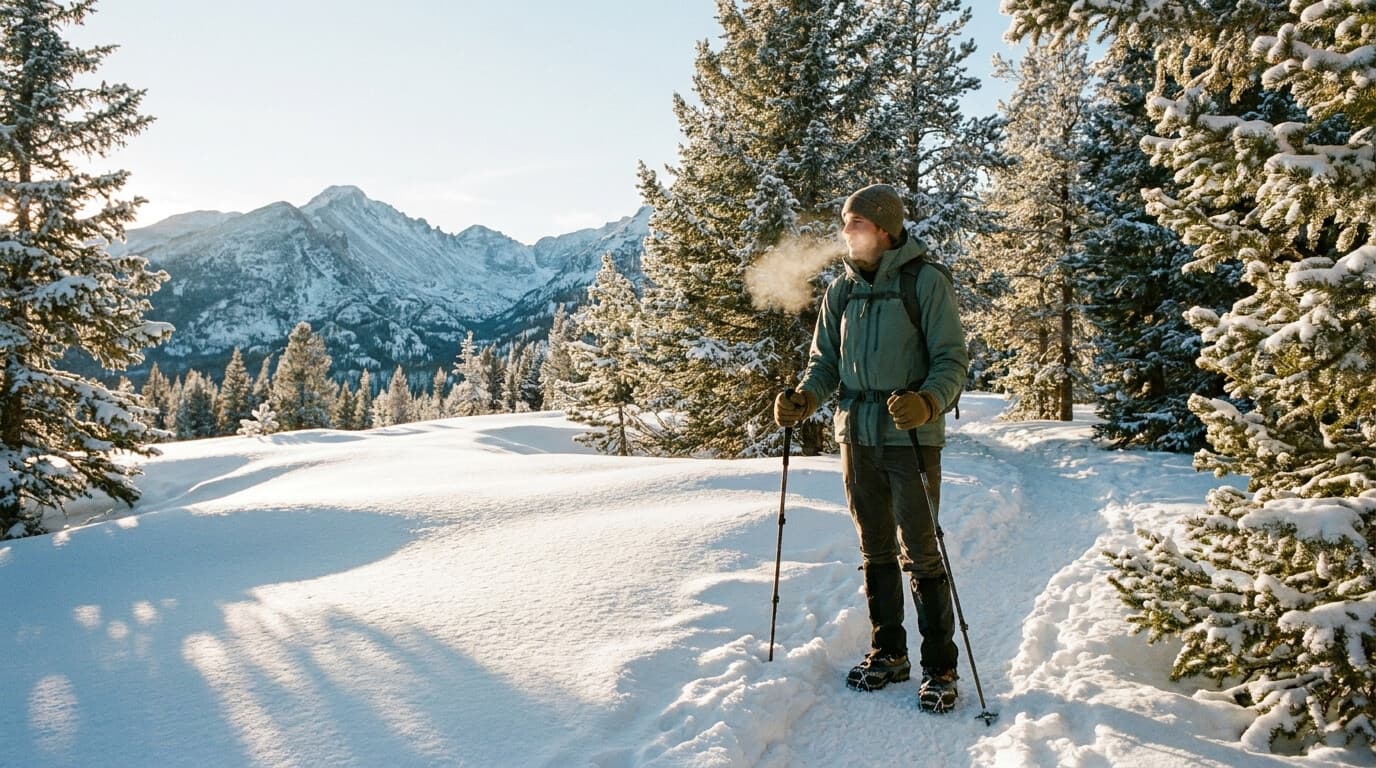
Winter is the sleeper season for national parks: Yellowstone's steaming geyser basins in snow, Bryce's hoodoos frosted white, desert parks at their most hikeable, and the Everglades in its dry-season prime. The gear list is different in kind, not just degree, and three systems decide whether the trip is comfortable: layers, traction, and sleep.
For choosing where to go, the best national parks in winter shortlist ranks the season's standouts, and the least crowded parks list overlaps heavily with winter for a reason: the crowds leave, the parks do not.
The layering system: three jobs, three layers, zero cotton
Cold-weather comfort is a moisture problem before it is a temperature problem. Sweat trapped against skin conducts heat away roughly 25 times faster than air, which is why the cardinal rule is no cotton anywhere: cotton absorbs moisture, holds it, and keeps it on your skin. That includes the underwear and socks people forget to swap.
The system has three jobs split across three layers:
- Base layer moves sweat off skin. Merino or synthetic, snug fit, top and bottom. The merino vs synthetic comparison covers the tradeoffs (merino resists odor and stays warm damp; synthetic dries faster and costs less), and the base layer roundup has current picks.
- Midlayer traps heat. Fleece for high-output movement, a puffy for stops and camp. Down gives the most warmth per ounce; synthetic keeps insulating when damp, a real consideration around Yellowstone's geyser-basin steam. The down jacket roundup covers the puffy slot.
- Shell blocks wind and snow. Wind strips heat from an insulated hiker shockingly fast, so a windproof outer layer converts the same midlayer into a much warmer system.
The operating discipline matters as much as the garments: start the hike slightly cold, vent before you sweat, and add the puffy the moment you stop moving. The full method is in the cold-weather layering guide. Round it out with a warm hat, insulated gloves plus a thin liner pair, and wool socks with a spare set kept dry.
Traction: microspikes vs snowshoes
The two tools solve different problems and are not interchangeable.
Microspikes solve hard-packed snow and ice. Chains and small spikes stretch over your regular boots and bite into the consolidated, boot-polished surface that popular winter trails become. This is the tool for 90 percent of winter park day hiking: Bryce's Navajo Loop, Yellowstone boardwalk approaches, Grand Canyon's icy upper switchbacks on Bright Angel, and any trail that sees enough boots to pack out. They weigh under a pound and live in the daypack all season.
Snowshoes solve deep, unconsolidated snow. Flotation keeps you from postholing thigh-deep on unpacked routes; they are for breaking trail after storms or touring meadows and unplowed roads, and parks like Yellowstone commonly rent them, worth knowing before buying.
The decision rule: packed or icy trail, chain-style spikes; untracked deep snow, snowshoes. Low-profile cleats fit pavement, while mountaineering crampons belong to steeper technical terrain. The winter traction chooser explains those boundaries. Many winter trips want chain spikes in the pack every day and snowshoes only for one planned outing. Trekking poles with snow baskets help either way, especially on descents; see the trekking pole roundup.
Sleeping warm: the R-value does the heavy lifting
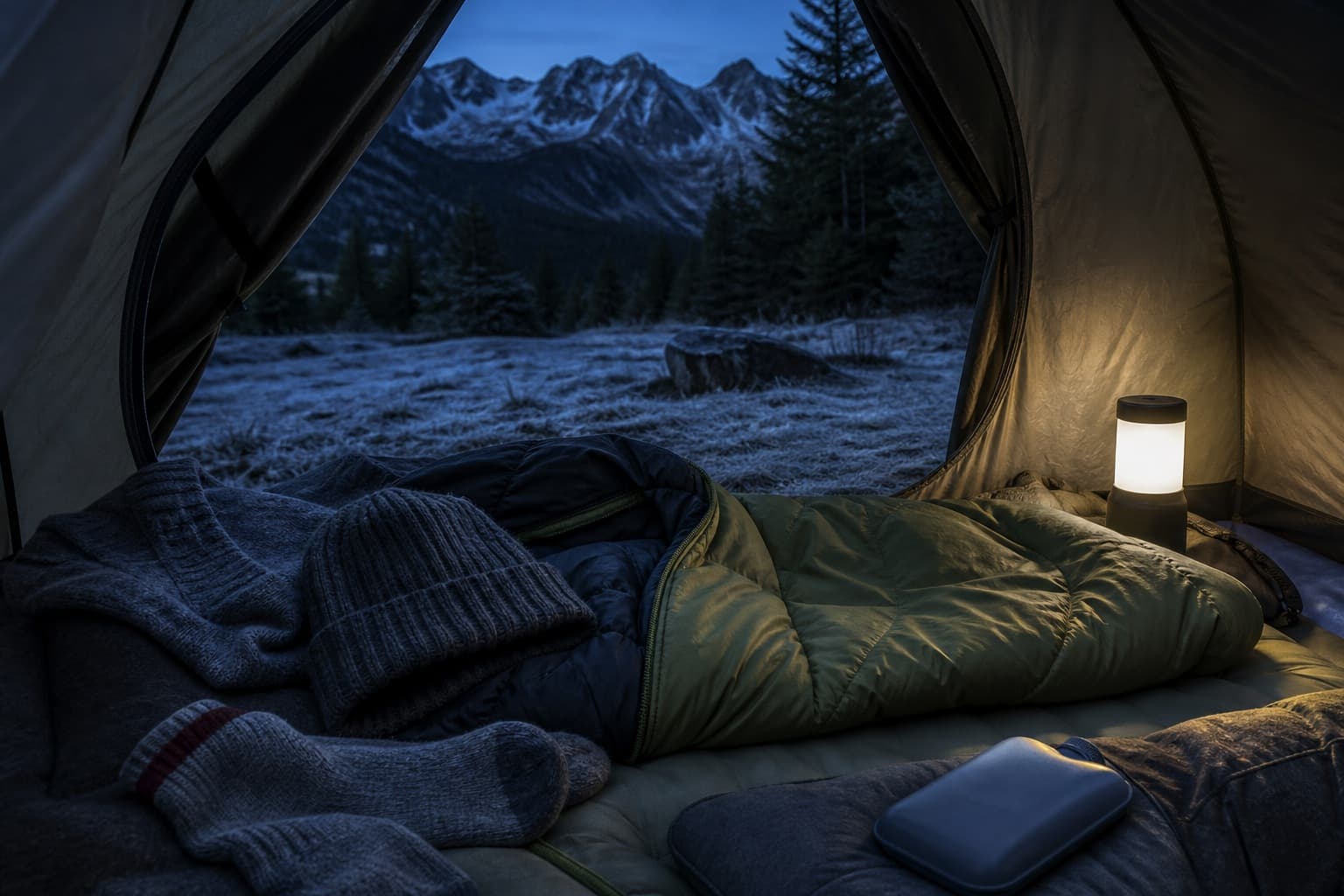
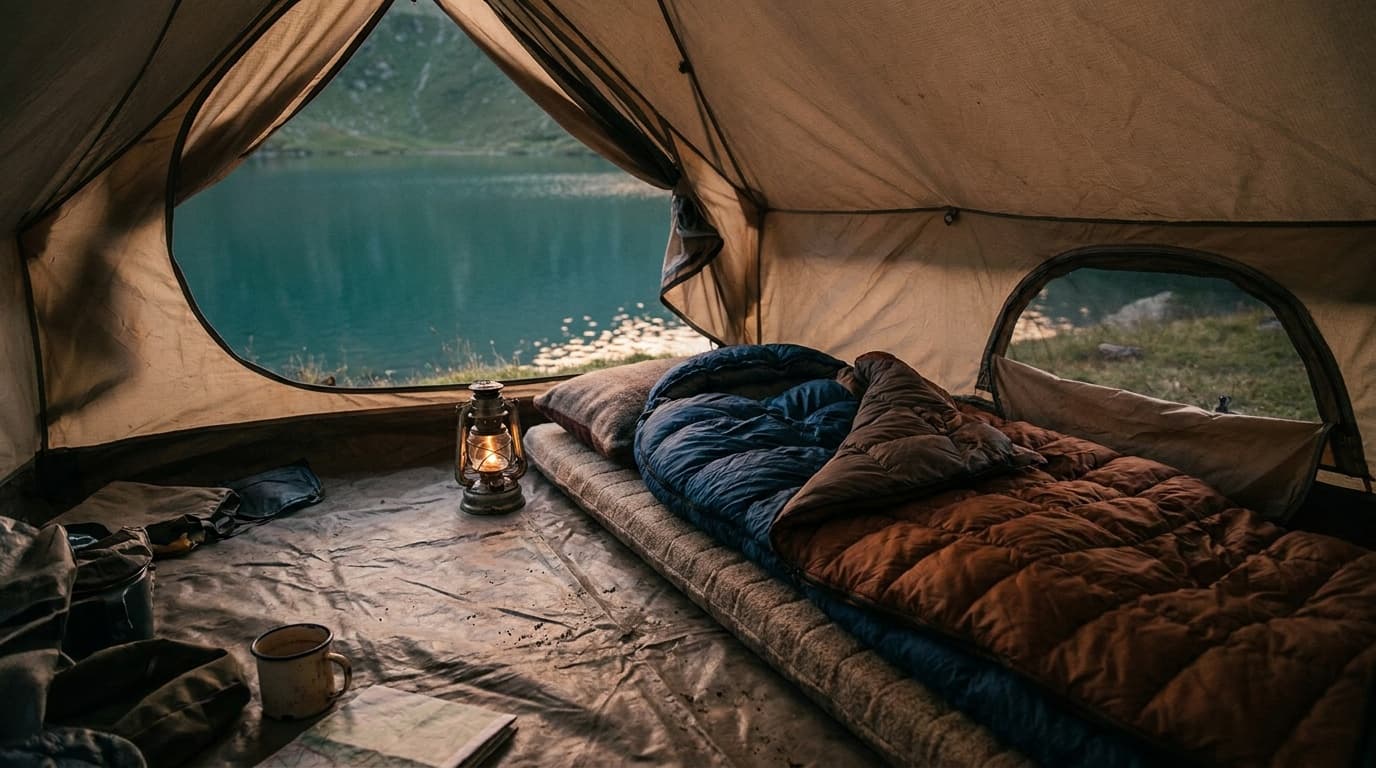
Winter car camping fails from below far more often than from above. The ground is an enormous heat sink, and a summer sleeping pad over frozen ground will defeat any sleeping bag placed on top of it.
Two ratings have to work together:
- Pad R-value of 4 or higher for winter ground. R-value measures insulation under you, and it is the spec campers skip; the R-value guide explains the scale. A strong all-season option is the NEMO Tensor All-Season, and stacking a closed-cell foam pad under any inflatable adds roughly R-2 for twenty dollars.
- A bag rated 10 to 15 degrees below the forecast low. Manufacturer ratings describe survival more than comfort, so buy the margin; how bag temperature ratings actually work decodes the ISO numbers. A proven budget-friendly cold-weather bag is the Kelty Cosmic Down 20, and the sleeping bag roundup covers warmer and lighter options.
Small multipliers: sleep in a dry base layer and hat (never the damp one you hiked in), put a hot water bottle in the footbox, and eat something fatty before bed so your metabolism has fuel to burn overnight. More technique is in the staying warm while camping guide.
Daylight math: winter days are short and end fast
Mid-winter at Yellowstone's latitude gives you roughly nine hours between sunrise and sunset, and canyon country steals more: in the bottom of a Zion or Bryce amphitheater, walls put the trail in shadow long before official sunset, and temperatures fall off a cliff when they do.
Plan turnaround times against darkness, not just distance, and treat a headlamp as mandatory daily carry rather than emergency gear. A rechargeable model like the Black Diamond Spot 400-R covers dawn starts and the hike out that runs long; the headlamp roundup compares beam distance and cold-weather runtime. Pack it with the lens away from the on button so it cannot switch on in the pack.
Batteries hate cold: plan around it
Lithium batteries lose capacity fast below freezing. A phone that lasts all day in summer can drop from 60 percent to dead in minutes in a 15-degree wind, which matters when the phone is your map, camera, and emergency line.
The countermeasures are simple. Carry the phone in an inside chest pocket where body heat keeps it warm, not an outer pack pocket. Bring a power bank per person and keep it warm too. Put headlamps and cameras in the sleeping bag footbox overnight instead of leaving them in the car. Lithium primary cells (AAA/AA) hold voltage in cold far better than alkaline, so winter is the season to pay for them. And a paper map backup weighs nothing and never shows a dead battery icon.
The vehicle kit: the car is part of the gear list
Winter park trips involve icy park roads, sparse traffic, and long gaps between services, so the vehicle carries its own checklist. Confirm road status before you go; many park roads close or require specific equipment all winter, and some parks legally require carrying chains in the vehicle even with four-wheel drive.
- Tire chains you have practiced installing once in the driveway
- Compact shovel and an ice scraper
- Jump starter or jumper cables
- Blanket or an extra sleeping bag that lives in the car
- Water (it freezes in the car overnight; expect it) and calorie-dense snacks
- Full fuel tank discipline: refill at half in remote country
Winter park trip checklist
Layers
- Merino or synthetic base layer, top and bottom (no cotton)
- Fleece midlayer plus an insulated puffy
- Windproof/waterproof shell
- Warm hat, liner gloves plus insulated gloves, wool socks with spares
Traction and trail
- Microspikes (default) and snowshoes if deep-snow touring
- Trekking poles with snow baskets
- Headlamp plus spare battery or power bank
- Paper map backup
Sleep (car camping)
- Sleeping pad R-4 or higher, foam pad to stack
- Bag rated 10-15 degrees below forecast low
- Dry sleep base layer and hat, hot water bottle
Vehicle
- Chains, shovel, scraper, jump starter
- Emergency blanket, extra water and food
FAQ
Do I need microspikes in Yellowstone in winter?
For trail walking beyond maintained boardwalks, traction is often appropriate, but current park and trail conditions decide. Popular Yellowstone paths can pack down into polished ice after repeated use. Chain-style spikes stretch over compatible winter boots and suit that firm surface; snowshoes are a separate tool for deep unpacked snow and can often be rented in gateway towns. See the winter traction chooser before buying.
What sleeping pad R-value do I need for winter car camping?
R-4 or higher once nights drop below freezing, and R-5 plus for single-digit lows. R-value measures insulation between you and the ground, which drains heat faster than cold air does; a warm bag on a summer pad still means a cold night. Stacking a closed-cell foam pad under an inflatable adds about R-2 cheaply. The full scale is explained in our R-value guide.
Are desert parks good to visit in winter?
Often they are at their best. Death Valley, Big Bend, Saguaro, and Joshua Tree have mild, hikeable days from December through February, and the Everglades hits its dry-season high period. The catch is night: desert winter lows regularly fall into the 20s and 30s, so you pack the same sleep system and puffy as a snow-country trip even when afternoons hit 70.
Why does my phone battery die so fast in cold weather?
Lithium batteries depend on chemical reactions that slow dramatically below freezing, so the phone reads a rapid voltage drop as an empty battery and shuts down. Keep it in an inside pocket against body heat, carry a warm power bank, and sleep with electronics in the bag footbox. The charge usually returns once the device warms back up.
What should I keep in the car for a winter national park trip?
Chains you have practiced installing, a shovel, an ice scraper, a jump starter, an extra blanket or sleeping bag, water, and high-calorie food. Park roads are icy, lightly trafficked, and far from services, and several parks require chains in the vehicle by regulation in winter. Refuel at half a tank in remote country; an idling engine is your backup heater.
Deciding where to point the car? The best parks in winter and least crowded parks shortlists are the planning side of this trip. For more gear depth, browse the camping guides or read how we research and rate.
Recommended gear
Our current top picks from the Best sleeping bags for camping in 2026 guide, if you are ready to buy.
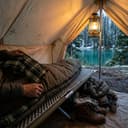
The ALPS OutdoorZ Redwood is a roomy, heavily insulated car-camping bag with a cotton canvas shell and flannel liner. Its -10F label comes from the manufacturer rather than an ISO comfort test, so buyers should leave temperature margin.
Best for: Car campers, hunters, and cabin trippers who want the warmest, most hotel-bed-like night of sleep possible and have the trunk space to carry it.
- Heavy insulation and draft-control features suit cold-weather car camping
- Soft, weighted cotton flannel interior with virtually no cold spots
- Large packed size (rolls full-width, not a stuff sack), not suitable for backpacking
- Temperature Rating
- -10°F (-23°C)
- Insulation
- TechLoft synthetic (two-layer offset)
- Shell
- 100% cotton canvas
- Liner
- 100% cotton flannel (plaid)
- Weight
- 11 lb 8 oz
- Dimensions (open)
- 80 x 38 in
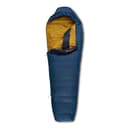
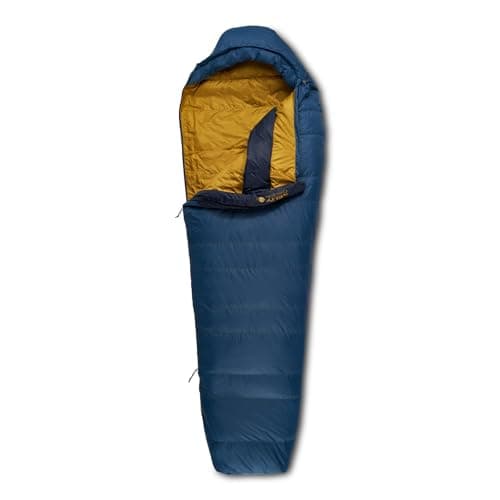
The Kelty Cosmic 20 combines 550-fill DriDown, trapezoidal baffles, and a draft collar in a packable three-season design. Its published ISO comfort rating is 31F for the regular bag, a more useful buying number than the 20F model name.
Best for: Campers and entry-level backpackers who want real down insulation and long-term durability without paying premium-bag prices.
- Genuine down insulation at a fraction of premium-bag pricing
- Durable 50D shell handles rougher treatment better than most budget bags
- ISO Comfort sits at 31°F, so cold sleepers should size up in temperature rating
- Temperature Rating
- 20°F / ISO Comfort 31°F / ISO Limit 21°F
- Insulation
- 550-fill DriDown (water-treated)
- Shell
- Recycled 50D polyester taffeta
- Liner
- Recycled 20D nylon taffeta
- Weight (Regular)
- 2 lb 7 oz
- Packed Size (Regular)
- 8 x 13 in (10.7L)
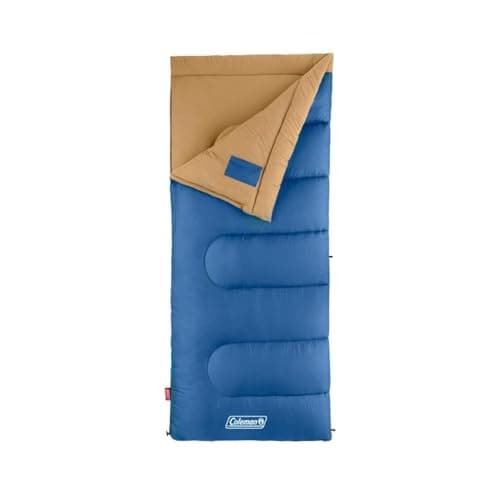
The Coleman Brazos is the go-to first sleeping bag for families and occasional campers. It delivers solid warmth, a comfortable tricot lining, and a no-snag zipper at a price that makes outfitting several people practical. Weight and packed size are the honest tradeoffs.
Best for: New campers, families buying multiple bags on a single budget, or anyone who camps a few nights a year and wants reliable warmth without a large upfront spend.
- Outstanding price per warm night for car camping or occasional use
- Soft tricot liner feels noticeably better than typical budget nylon
- Heavy at 5.3 lb and difficult to repack into its stuff sack
- Temperature Rating
- 20°F manufacturer rating (not ISO comfort)
- Insulation
- ColeTherm synthetic (4 lb fill)
- Shell
- Stain-resistant polyester
- Liner
- Soft tricot
- Weight
- 5.3 lb (manufacturer listed)
- Dimensions
- 75 x 33 in, fits to 5'11"
Keep going
Complete loadoutCar-camping starter kitThe first-trip essentials across shelter, sleep, cooking, lighting, seating, and water, with the extras left out.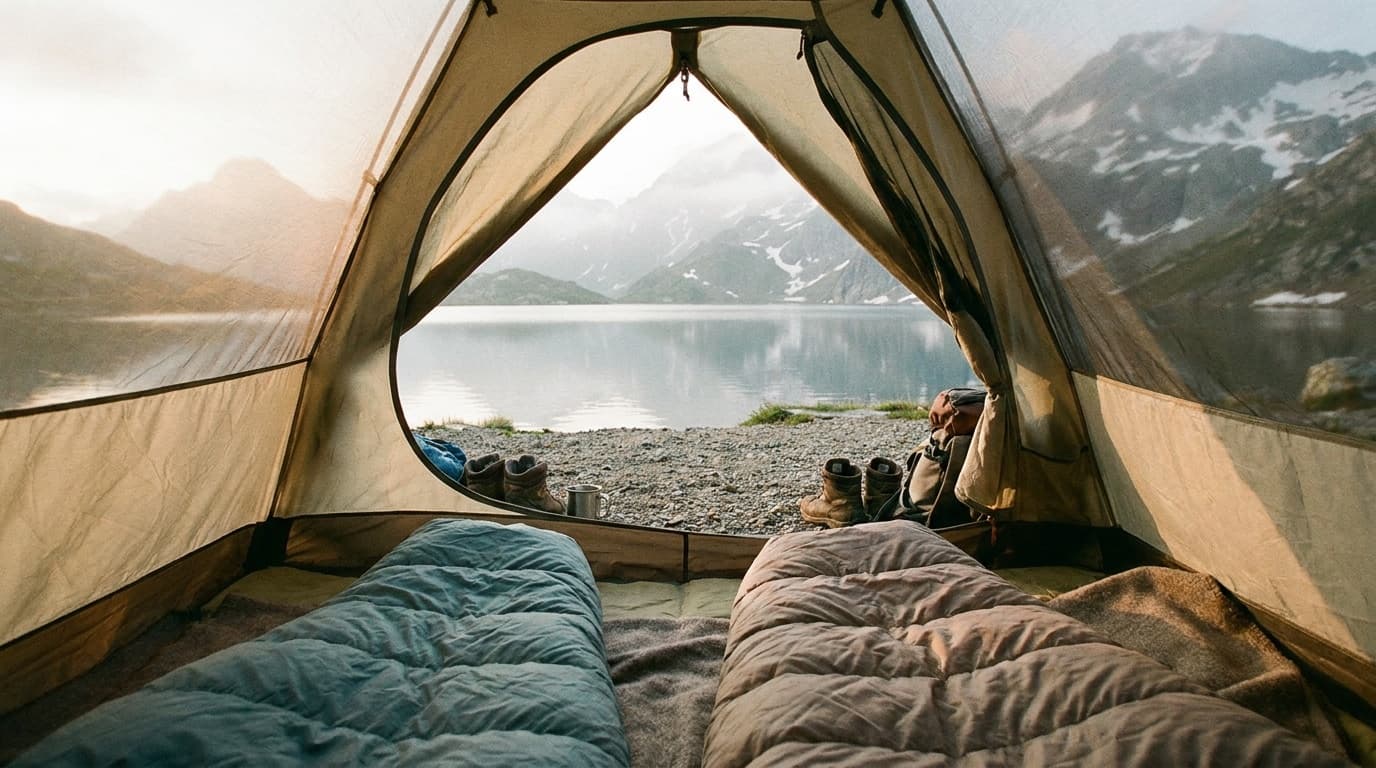
Researched, not hands-on tested
Updated Sep 24, 2026Our recommendations draw on manufacturer documentation, retailer listings, owner feedback, and comparisons with alternatives.
As an Amazon Associate I earn from qualifying purchases. We may earn a commission from links here, at no extra cost to you. How we research →