We may earn a commission from links on this page, at no extra cost to you.
The CAP 20 LB Adjustable Weighted Vest is the budget pick in our best weighted vests guide, and it is the one to look at if your only goal is to start walking with a little load without spending much. This review covers exactly what you get, where the cheap build helps and where it shows, and how it stacks up against the next steps up.
BEST BUDGET
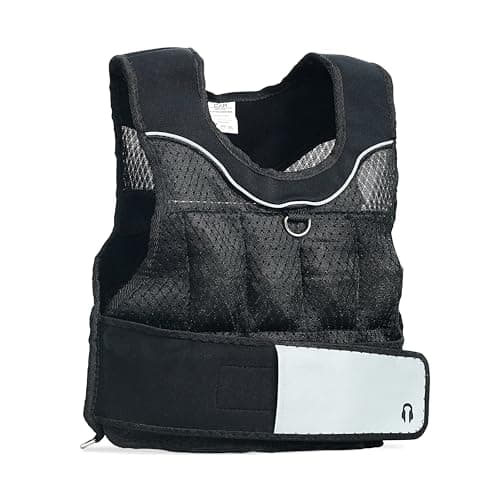
CAP 20 LB Adjustable Weighted Vest
Best for: Beginners and walkers who want an affordable, incrementally adjustable vest for daily walking and cardio without committing to a mid-range or premium price.
Kit Score 7.2/10 · Check current price
- Twenty 1 lb removable bags allow precise, gradual load progression, which is ideal for new users following a percent-of-bodyweight build protocol
- Breathable mesh shell keeps the vest cooler than solid neoprene options, which owners flag as a meaningful comfort advantage during aerobic work
- 1 lb sand-shot bags can be fiddly to load and reposition, and the pockets are described by some owners as thinner than those on more expensive options
Who it is for
This vest fits one buyer especially well: a beginner or walker who wants the cheapest possible way to add adjustable, gradually-loadable weight to steady-state cardio. The twenty 1 lb sand bags are the whole pitch. You can start at 5 lb, add a single pound when that feels easy, and keep nudging the load up without ever re-buying. For a percent-of-bodyweight build, that 1 lb granularity is hard to beat at any price, let alone at $30 to $40.
It is less ideal if you already train hard or expect to. The vest caps at 20 lb, so anyone who will want heavier loads for conditioning or strength work will outgrow it quickly. It is also not the vest for high-intensity calisthenics: the sand bags can shift during explosive movement, which is fine on a walk but distracting on burpees or jump work. If you are still deciding how heavy to go, read how much a weighted vest should weigh first: most people start at 5% of bodyweight and cap around 10%.
Full specifications
| Spec | Detail |
|---|---|
| Kit Score | 7.2 / 10 (researched, not lab-tested) |
| Weight range | 0 to 20 lb |
| Increment | Twenty removable 1 lb sand-shot bags (1 lb steps) |
| Fill type | Removable 1 lb sand bags in individual pockets |
| Shell | Breathable mesh with neoprene shoulder padding |
| Fit | Adjustable clips plus waist belt, one size fits most |
| Visibility | Reflective safety stripes |
| Storage | Integrated phone or MP3 pocket |
| Price | $30–$40 |
The standout spec is the increment: twenty individual 1 lb bags. Most budget vests are either fixed weight or adjust in chunky 2.5 lb or larger steps. The CAP lets you tune load one pound at a time, which is the single most useful feature for a beginner building gradually.
Pros and cons
What it does well:
- Twenty removable 1 lb bags allow precise, gradual progression, which is ideal for beginners running a percent-of-bodyweight build.
- The breathable mesh shell runs cooler than solid neoprene during aerobic work, so heat buildup stays manageable on long walks.
- Reflective safety stripes and an integrated phone pocket are practical, walker-friendly touches you rarely see at this price.
- The waist belt and adjustable clips keep a one-size-fits-most fit reasonably snug across a range of body sizes.
Where it falls short:
- It tops out at 20 lb, so it is not built for heavier conditioning or strength training, and committed trainees will outgrow it.
- The thin nylon and mesh pockets show wear sooner than iron-plug or Cordura vests, so longevity is the trade-off for the low price.
- The sand bags can shift during high-intensity or calisthenics work, which is fine for walking but noticeable on explosive movement.
How it compares
The CAP is the entry-level budget pick, and it competes on one axis: getting adjustable load for the least money. Against the ZELUS, the two land near the same price, but they solve different problems. The ZELUS uses a sturdier iron-sand fill and a more durable build, but it is fixed at purchase weight, so you cannot add load as you progress. The CAP gives up build quality to win on adjustability: if you specifically want to start light and creep the weight up one pound at a time, the CAP does that and the ZELUS does not.
Against the step-up miR Air Flow, the gap is build and lifespan. The miR costs more, but it uses solid iron bars in reinforced pockets, adjusts up to 60 lb, and carries a lifetime warranty. It is the vest you keep for years. The CAP is the vest you buy to find out whether you will stick with loaded walking before spending more. There is no shame in starting cheap, but be honest with yourself: if you already know you are committed, the miR is the better long-term value.
For walking specifically, our best weighted vests for walking guide goes deeper on lighter loads and all-day comfort, and the CAP earns a budget mention there too. If you are coming from a rucking background and want loaded carries with a pack rather than a vest, the Ruck Authority guides cover that ground.
Frequently asked questions
How does the CAP weighted vest adjust its weight?
The vest holds twenty removable 1 lb sand-shot bags in individual pockets, so you can run it anywhere from 0 to 20 lb and change the load in 1 lb steps. That fine granularity is the main reason to buy it: beginners can add a single pound at a time as a percent-of-bodyweight build progresses.
Is the CAP weighted vest worth it?
For beginners and walkers on a budget, yes. It earns a Kit Score of 7.2 because it delivers adjustable, gradually-loadable weight, a breathable mesh shell, and walker-friendly touches like reflective stripes and a phone pocket for $30 to $40. The reasons to spend more are if you want a build that lasts years or if you will want loads heavier than 20 lb.
How durable is the CAP weighted vest?
It is a budget vest, and the thin nylon and mesh pockets show wear sooner than premium iron-plug or Cordura builds. For steady-state walking it holds up fine, but heavy or high-intensity use will shorten its life. Think of it as a starter vest rather than a buy-it-for-life piece.
Can you use the CAP vest for running or calisthenics?
You can, but it is not the best fit. The sand bags can shift during explosive or high-intensity movement, which is distracting on running, jumping, or burpees. The vest is at its best on walking and steady-state cardio, where the load stays put and the breathable mesh keeps you cooler.
CAP vs miR Air Flow: which should I buy?
Buy the CAP if you want the cheapest way to try adjustable loaded walking and you are not sure you will stick with it. Buy the miR Air Flow if you already know you are committed: it costs more but uses solid iron bars, adjusts up to 60 lb, and carries a lifetime warranty, so it is the better long-term value for anyone who will train regularly.
For the full field, including the fixed-weight and premium alternatives scored the same way, see our best weighted vests guide.
Related buying guide
Best weighted vests 2026: 4 scored picks from $32 to $240Make the next decision
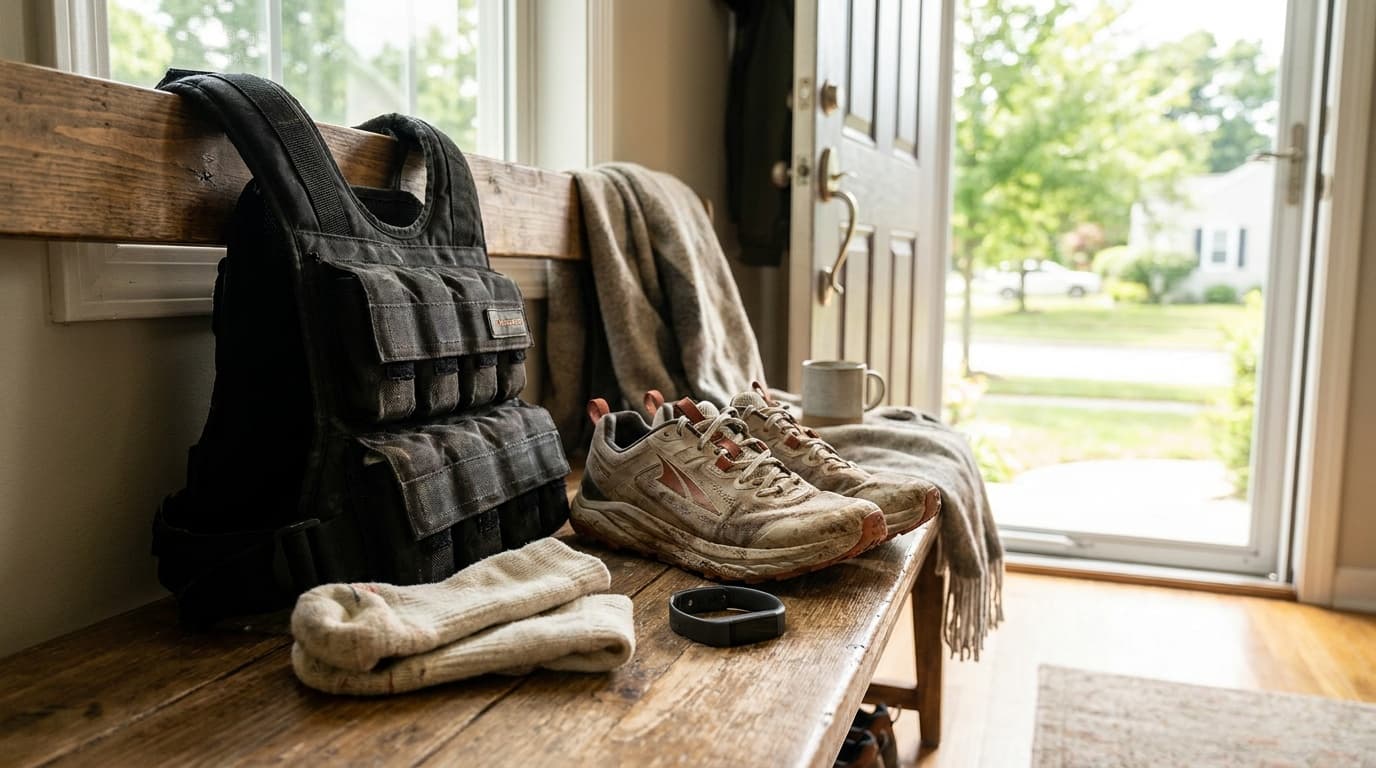
Complete fitness loadout
Weighted-vest starter kit
A beginner setup that pairs an adjustable vest with shoes, socks, and tracking for a repeatable walking routine.
Build the complete kitRelated guides
Buying guide
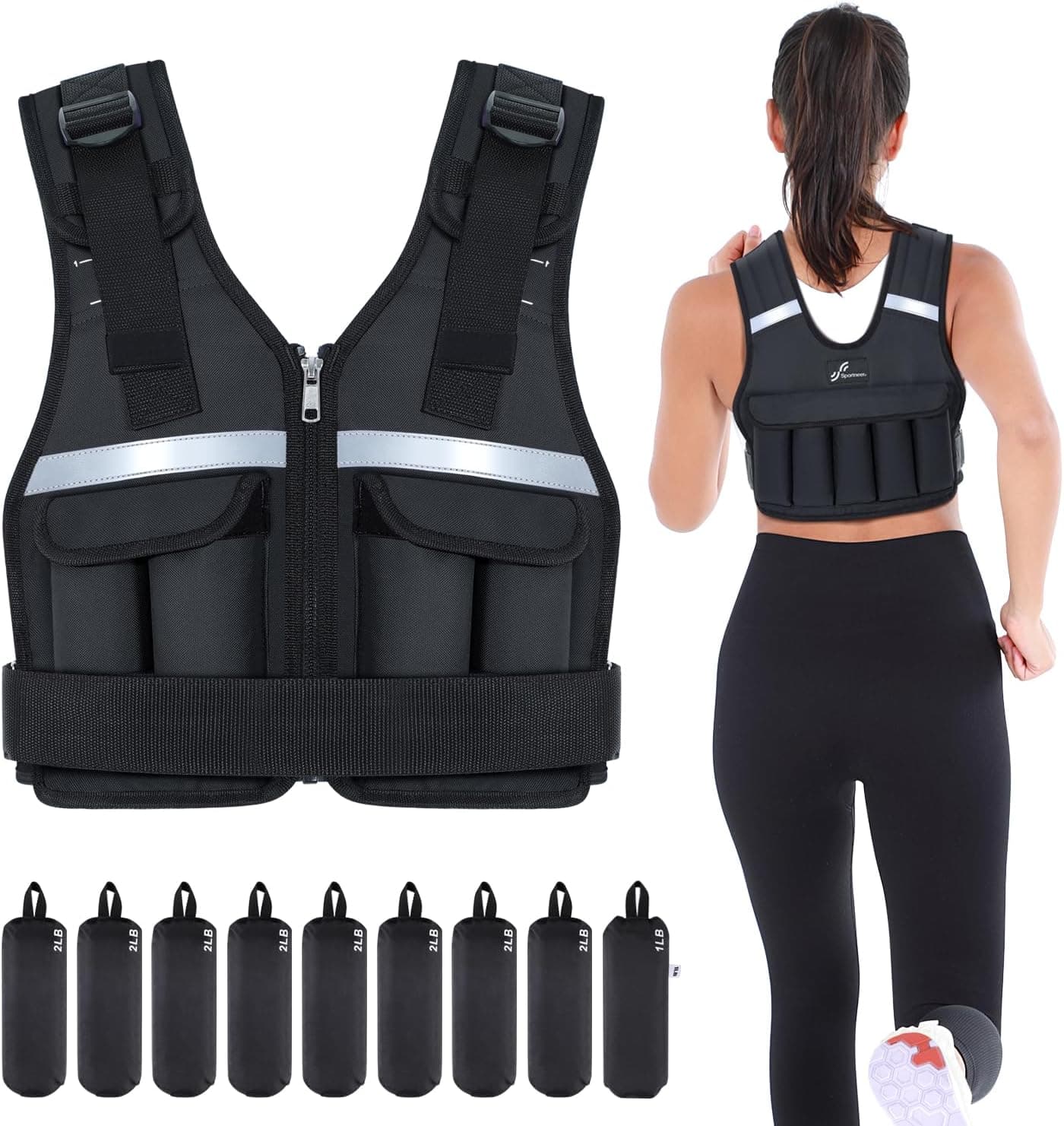
Best weighted vests for seniors in 2026
The best weighted vests for seniors and older adults, chosen for light starting weights, fine adjustability, easy on and off, and a low-profile, stable fit that supports balance and bone density.
Read guide
Field guide
Weighted vest benefits: what the research actually shows
A research-backed look at weighted vest benefits: extra calorie burn, balance and bone-loading effects, cardiovascular load, and the honest limits the studies reveal.
Read guide
Comparison
Weighted vest vs rucking: which is better for you?
Vest or ruck? The honest split: vests load your torso evenly for joint-friendly even-load training, rucking builds posterior-chain and carry strength. Here is how to choose.
Read guide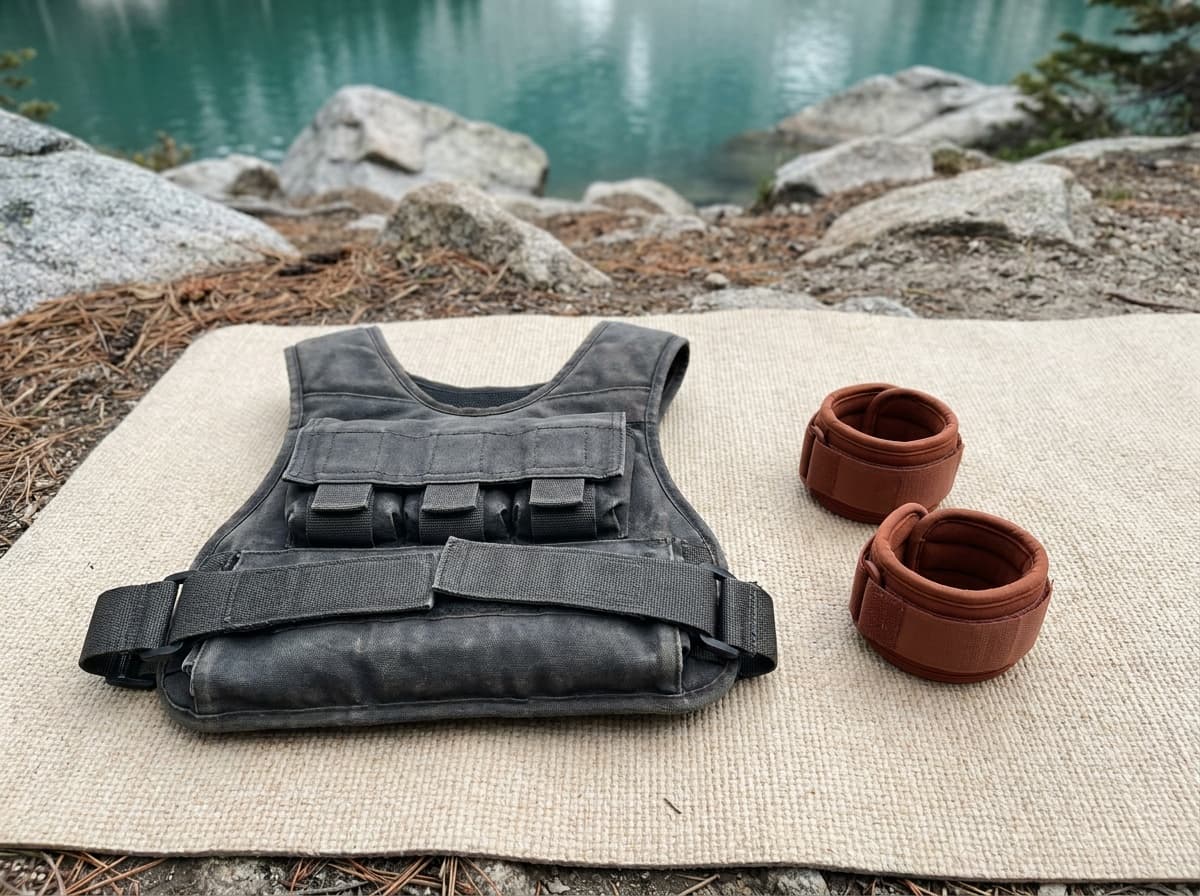
Comparison
Weighted vest vs ankle weights: the vest wins for walking
For walking, a weighted vest is safer and more effective. Ankle weights alter gait and load joints, so PTs save them for controlled strength work. Here is why.
Read guideResearch-based review
Updated Jul 8, 2026Our recommendations draw on manufacturer documentation, retailer listings, owner feedback, and comparisons with alternatives.
As an Amazon Associate I earn from qualifying purchases. We may earn a commission from links here, at no extra cost to you. How we research →
Top picks
Related buying guide
Best weighted vests 2026: 4 scored picks from $32 to $240