We may earn a commission from links on this page, at no extra cost to you.
Top picks
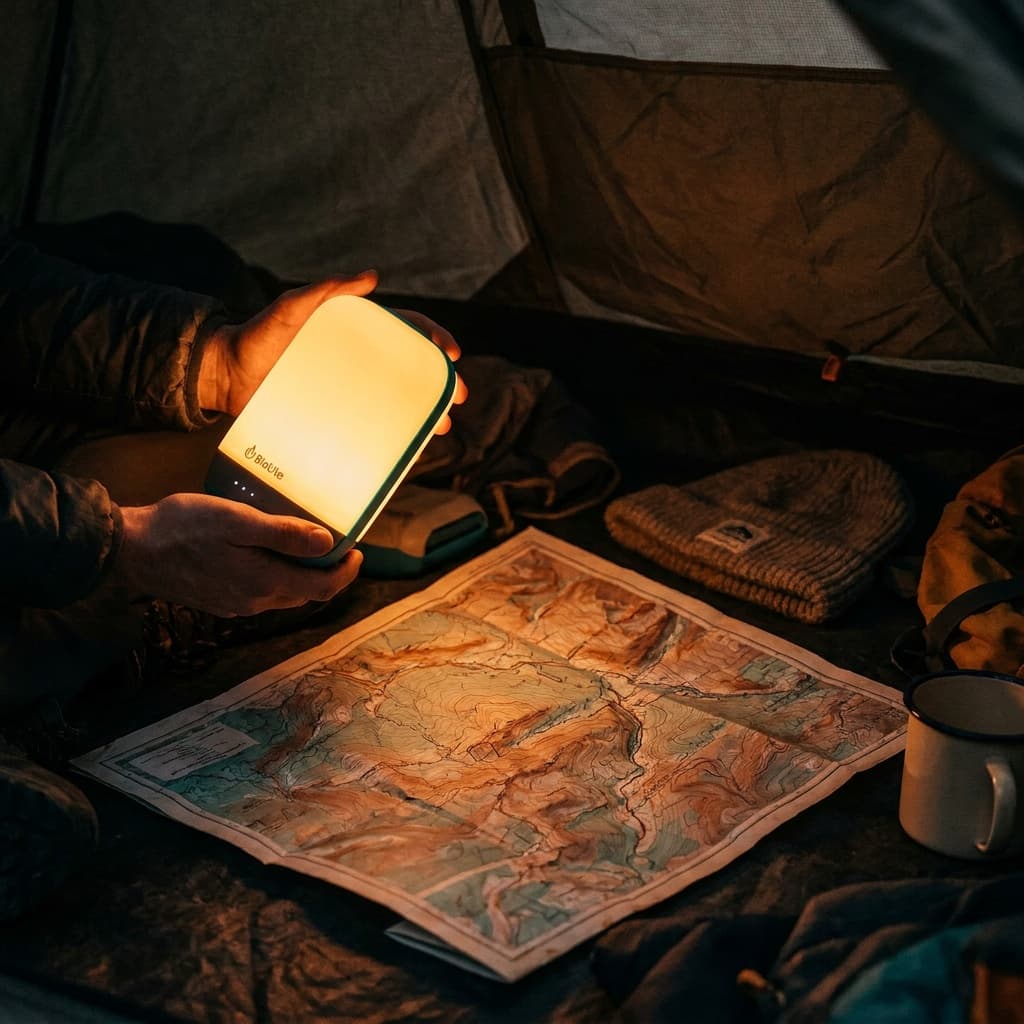
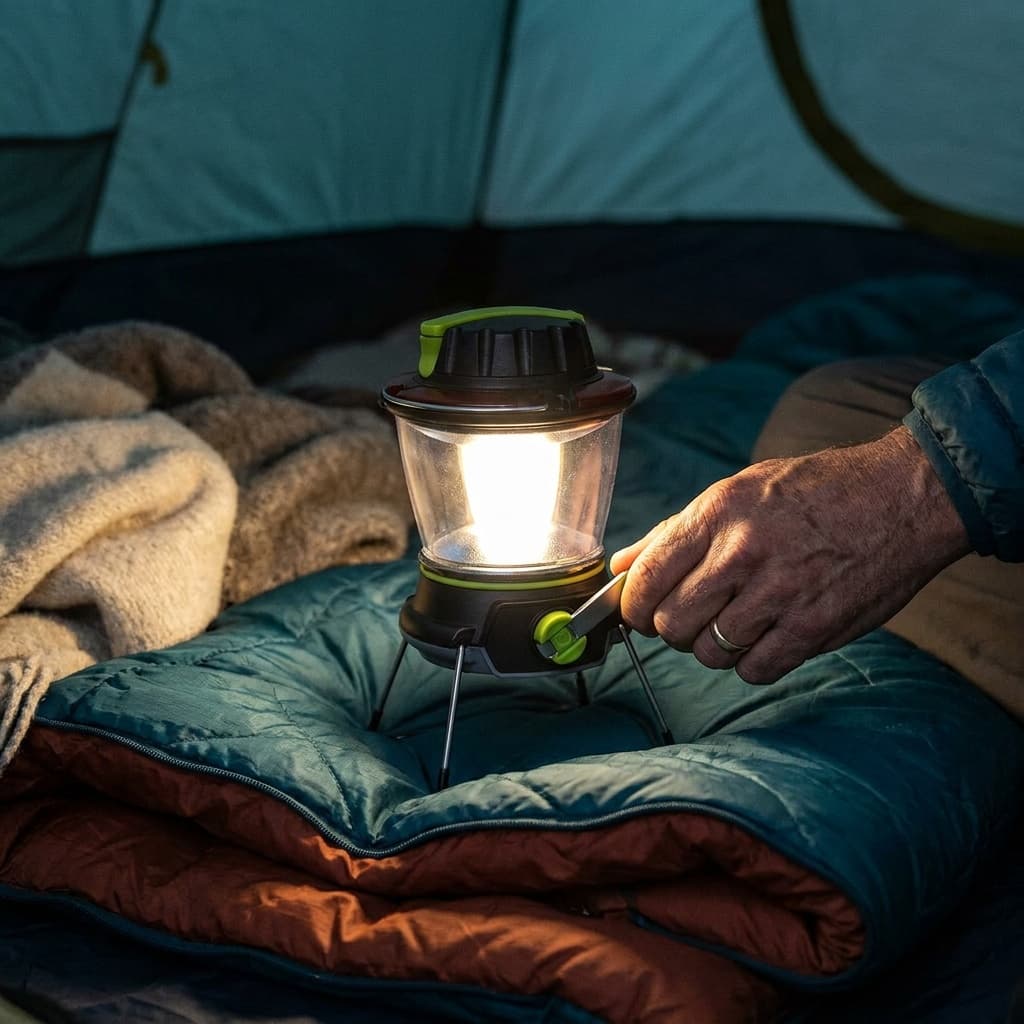
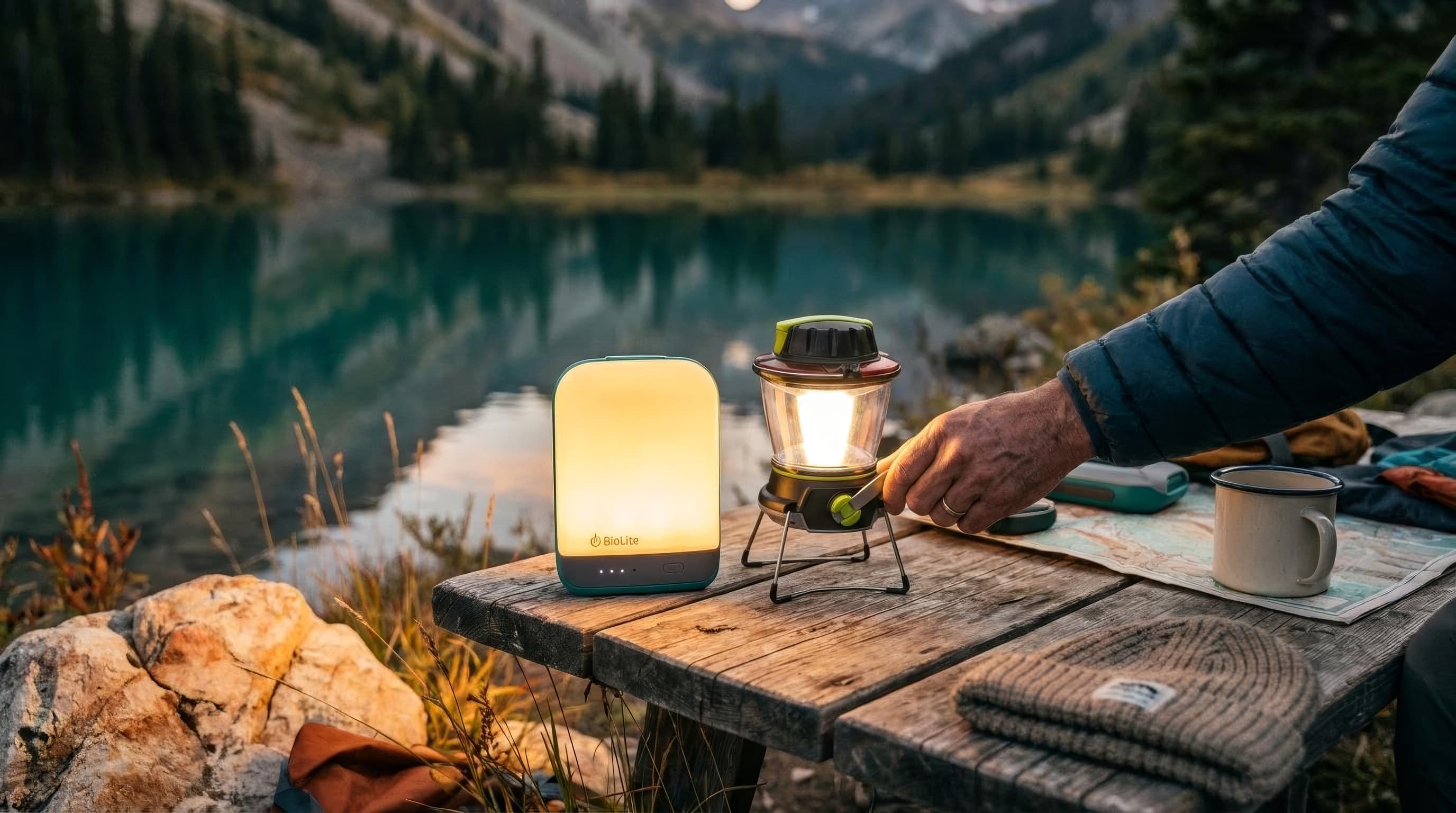
BioLite AlpenGlow 500 and Goal Zero Lighthouse 600 cost about the same but solve different versions of darkness. BioLite makes a campsite pleasant. Goal Zero keeps a large area usable when power options are uncertain.
Our quick picks
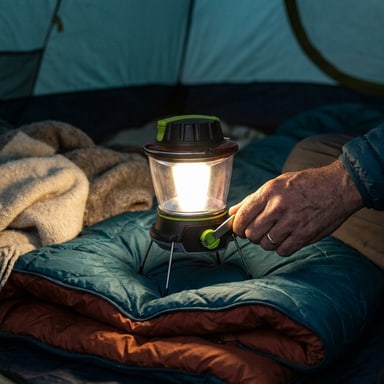
Side-by-side
| Product | Kit Score | Price | Best for |
|---|---|---|---|
| BioLite AlpenGlow 500 Lantern | 8.5 | $50–$100 | Car campers and tent campers who want versatile ambiance lighting, a reliable power bank backup, and the widest set of modes in a mid-size package. |
| Goal Zero Lighthouse 600 | 8.0 | $50–$100 | Car campers, group campsites, and emergency preparedness setups where maximum brightness and off-grid recharging options matter more than weight. |
| Decision | BioLite AlpenGlow 500 | Goal Zero Lighthouse 600 |
|---|---|---|
| Best for | Car-camp comfort | Group task and emergency light |
| Maximum output | 500 lumens | 600 lumens |
| High runtime | 5 hours | 2.5 hours, both sides |
| Low runtime | Up to 200 hours | Up to 180 hours, both sides |
| Battery | 6,400 mAh | 5,200 mAh |
| Weather | IPX4 | No published IP rating |
| Backup charging | USB | USB, solar panel, hand crank |
| Light modes | White, warm, color effects | Dimmable split white |
Choose BioLite for the campsite
BEST OVERALL
BioLite AlpenGlow 500 Lantern
Best for: Car campers and tent campers who want versatile ambiance lighting, a reliable power bank backup, and the widest set of modes in a mid-size package.
Kit Score 8.5/10 · $50–$100
- Measured output exceeds its rating: independent testing logged 690 lumens at max, with smooth dimming all the way to 5 lumens
- 200-hour low-end runtime means you can run it at ambient brightness for a full weekend trip without recharging
- Micro-USB charge port is outdated compared to competitors moving to USB-C, and the port seal has shown minor water ingress in heavy rain
BioLite's ChromaReal LEDs have a CRI of 90, so food, gear, and faces look more natural than under a cold utility light. Warm white and low-level modes are easier to live with for several hours.
The BioLite AlpenGlow 500 review covers the dated micro-USB input and the difference between its rated and measured output.
Choose Goal Zero for backup power
BEST OFF-GRID BACKUP
Goal Zero Lighthouse 600
Best for: Car campers, group campsites, and emergency preparedness setups where maximum brightness and off-grid recharging options matter more than weight.
Kit Score 8.0/10 · $50–$100
- The only lantern in this group with a hand crank: one minute of cranking delivers roughly ten minutes of light at low setting, a genuine safety net on longer trips
- Tested max brightness exceeds 600 lumens and covers a 20x20-foot area; the wide dimmer knob allows fine tuning from 2 lumens to full output
- Runtime on maximum brightness is only about three hours: heavier use requires dialing down or recharging, which takes up to six hours via USB
Goal Zero's split output can light one side of a table without wasting power behind the lantern. The crank cannot efficiently refill the whole battery, but it can always produce some low light.
The Goal Zero Lighthouse 600 review explains why that feature matters more in an outage kit than at a serviced campground.
Brightness is not the deciding factor
The 100-lumen difference at maximum is less important than how the products behave at comfortable settings. BioLite gives more control over color and mood. Goal Zero gives more control over direction and independent sides.
Both should usually run below maximum. Full output creates glare, attracts insects, and drains the battery quickly.
Frequently asked questions
Which lantern lasts longer, AlpenGlow 500 or Lighthouse 600?
Their low-mode claims are similar: up to 200 hours for AlpenGlow and up to 180 hours with both Lighthouse sides on low. AlpenGlow is rated for 5 hours at high, while Lighthouse is rated for 2.5 hours with both sides on high.
Which lantern is better in rain?
BioLite is the safer choice because it carries an IPX4 splash-resistance rating. Goal Zero does not publish an IP rating for Lighthouse 600, so it should be protected from rain.
Can both lanterns charge a phone?
Yes. AlpenGlow has a 6,400 mAh battery and USB-A output; Lighthouse has a 5,200 mAh battery and 5V / 1.5A output. Charging a phone reduces light runtime.
Is the Lighthouse hand crank worth it?
It is worthwhile for emergency readiness, not routine charging. Goal Zero states that one minute of cranking gives roughly ten minutes of low light.
See compact, solar, and budget options alongside these two in best camping lanterns.
Make the next decision
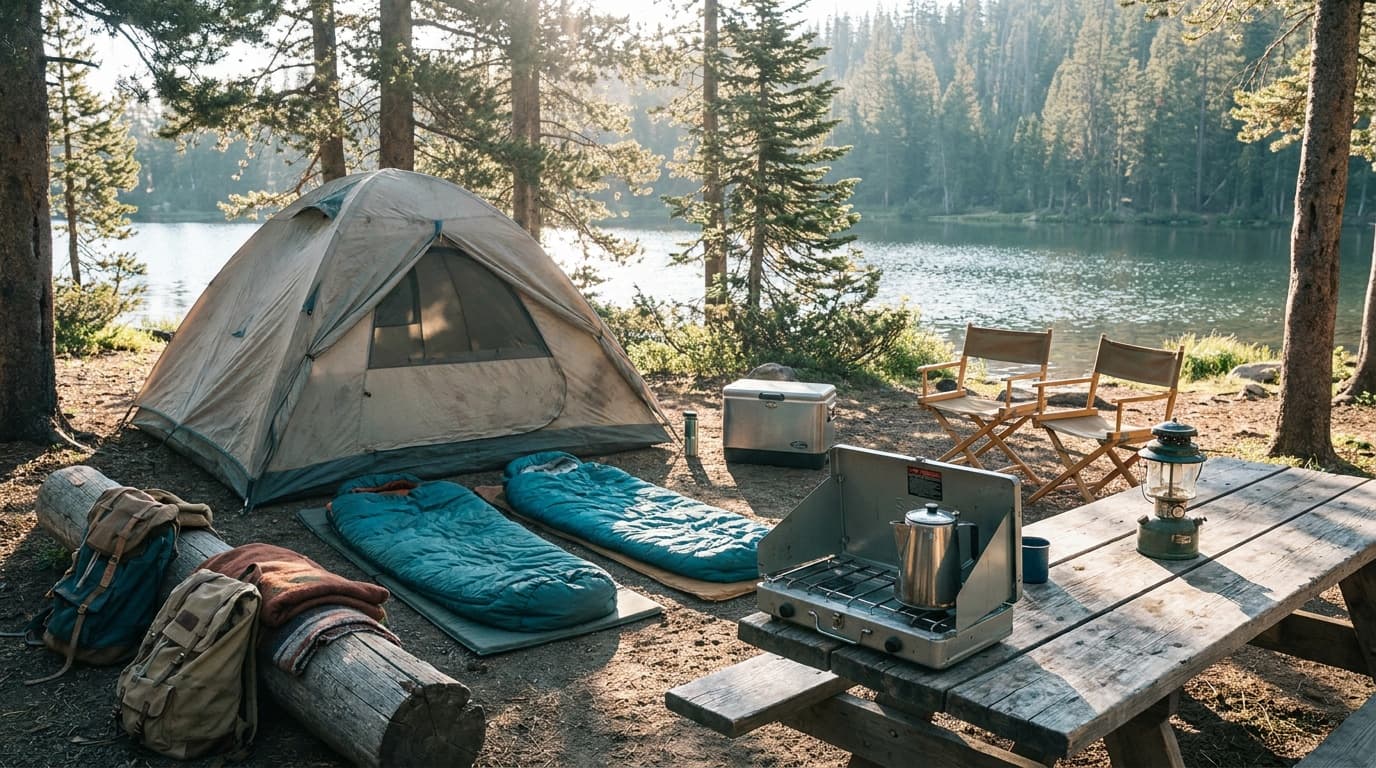
Complete camp loadout
Car-camping starter kit
The first-trip essentials across shelter, sleep, cooking, lighting, seating, and water, with the extras left out.
Build the complete kitRelated guides

Buying guide
Best camping lanterns 2026: 4 picks from $27 to $80
Four current camping lanterns ranked by useful output, runtime, weather resistance, and value, from the flat-packing LuminAID to BioLite and Fenix.
Read guide
Field guide
How many lumens do you need for camping
Practical lumen ranges for tent, campsite, and group lighting, plus why peak lumen specs mislead and how to read runtime numbers before you buy.
Read guide
Product review
Goal Zero Lighthouse 600 review: useful crank or extra weight?
Kit Score 8.0/10. Lighthouse 600 delivers broad two-sided light, a 5,200 mAh power hub, and hand-crank backup. Its weight and weather gap decide it.
Read guide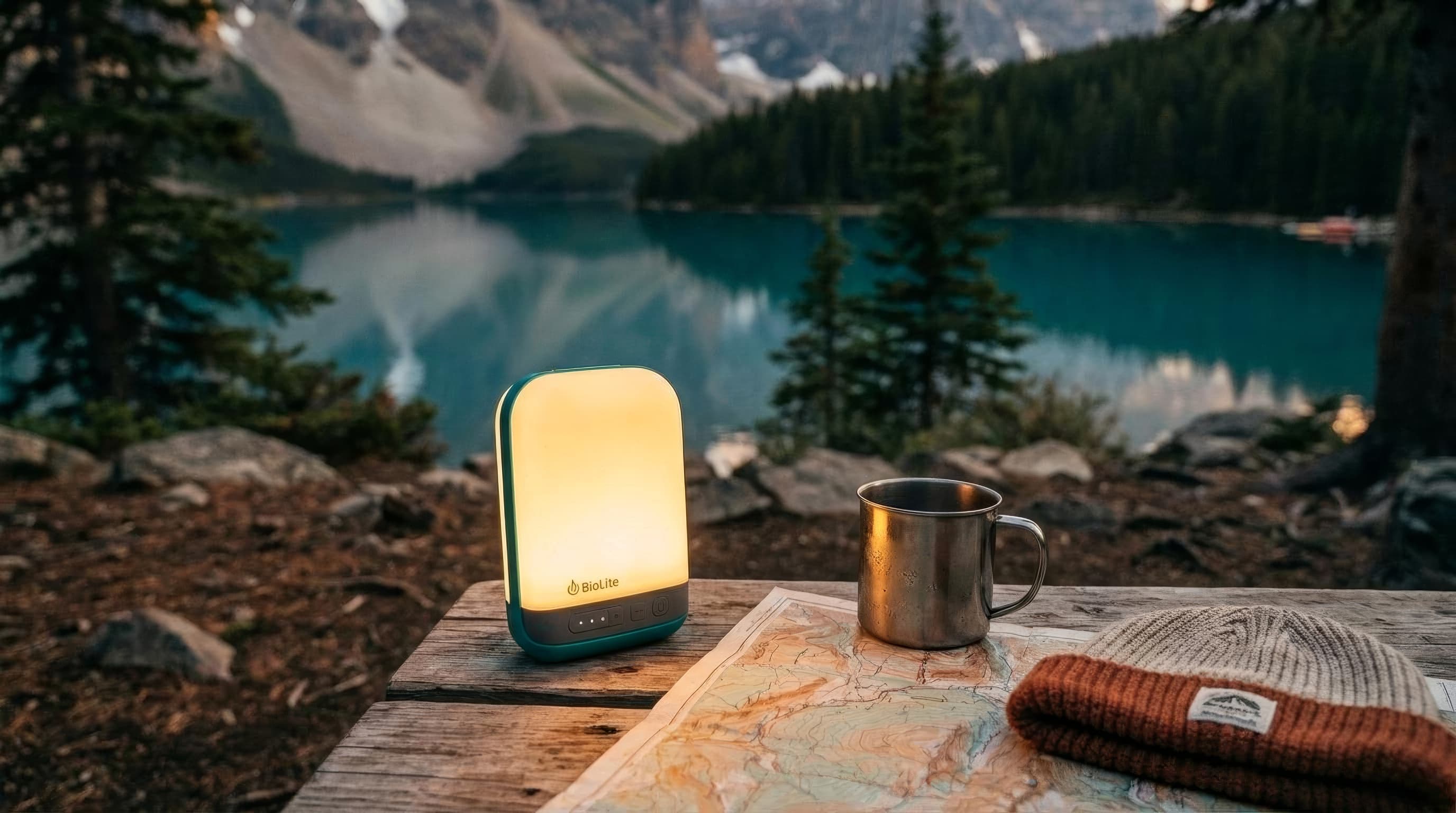
Product review
BioLite AlpenGlow 500 review: brighter than its rating, older than its port
Kit Score 8.5/10. Independent testing logged 690 lumens from a lantern rated 500, and it doubles as a power bank. The charge port is the dated part.
Read guideResearched, not personally tested: picks come from specs, verified-owner reviews, and expert sources, scored into the Kit Score. As an Amazon Associate I earn from qualifying purchases. We may earn a commission from links here, at no extra cost to you. How we research →