We may earn a commission from links on this page, at no extra cost to you.
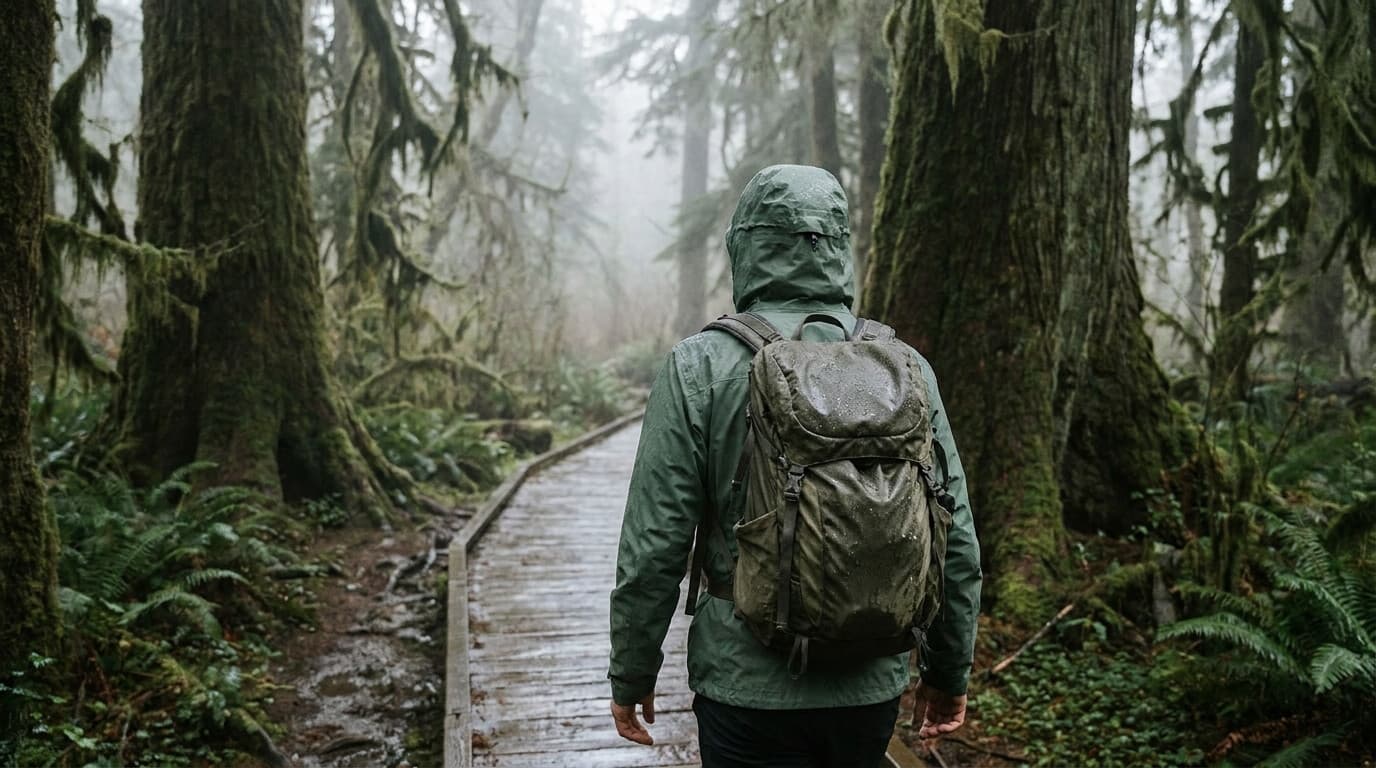
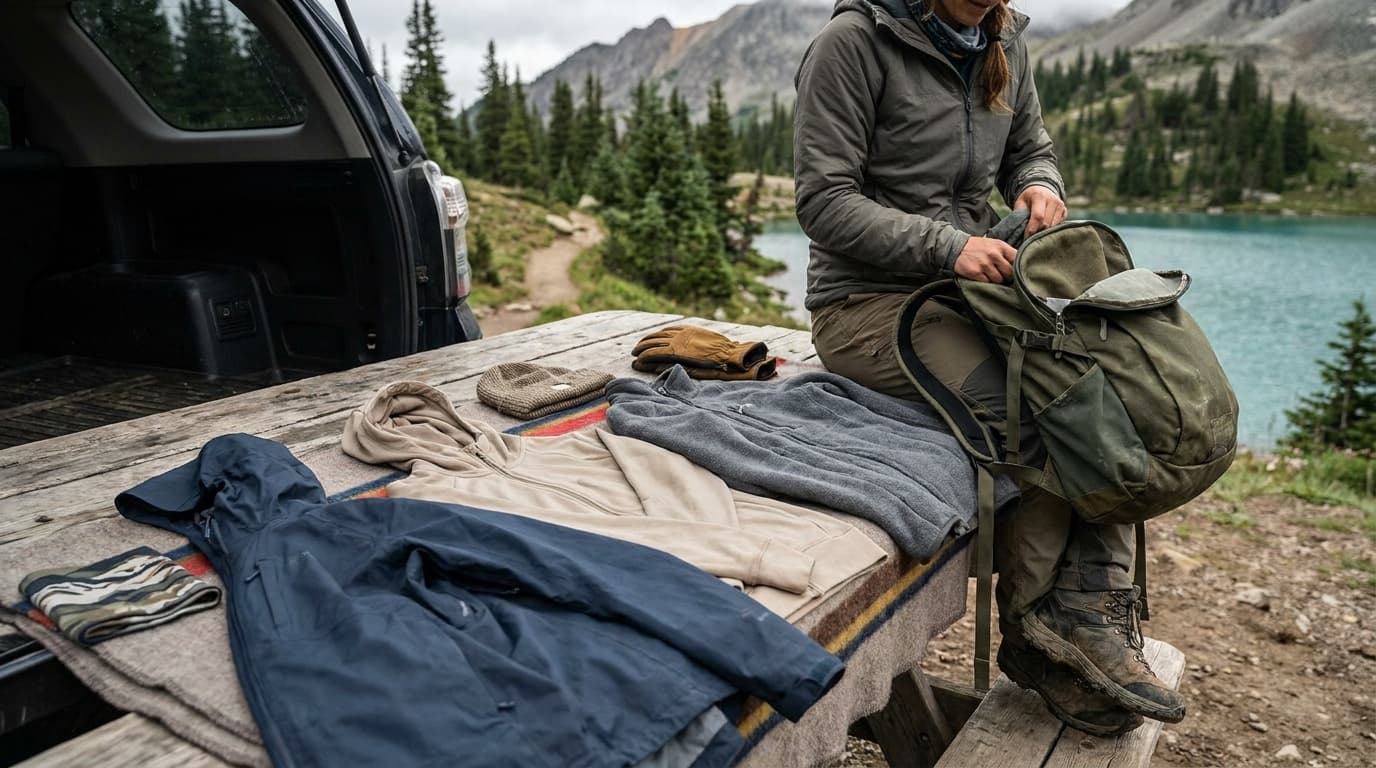
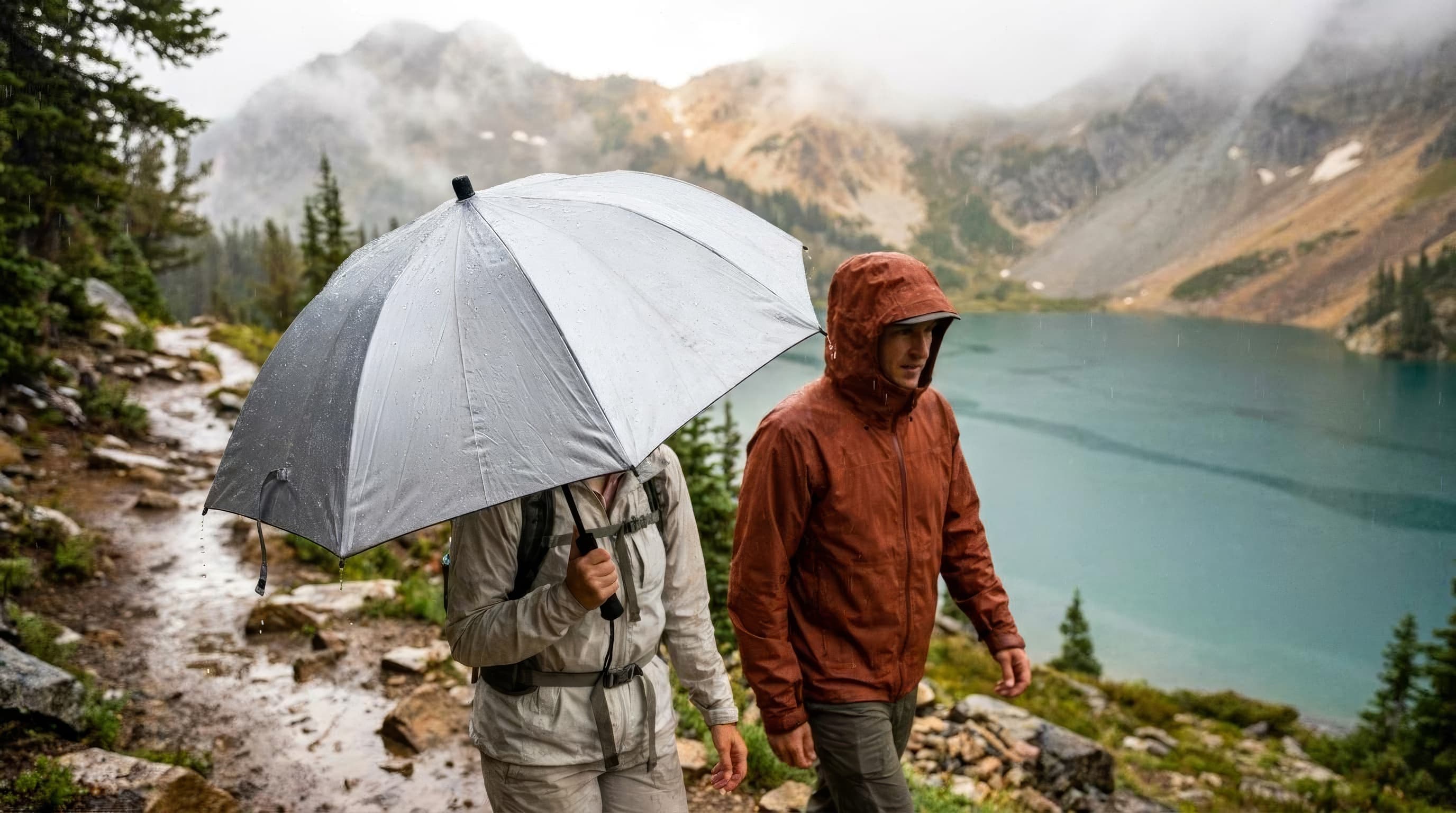
The Hoh Rain Forest in Olympic National Park takes on the order of 140 inches of rain a year, and the honest goal of a Pacific Northwest gear list is not staying dry. It is staying warm while damp, keeping a dry set in reserve, and protecting the gear that must never get wet. Hikers who chase perfect dryness in a temperate rainforest end up soaked from the inside by their own sweat instead.
This guide covers the wet-forest parks: Olympic, North Cascades, and Redwood. For trip planning, the Pacific Northwest national parks overview and the Washington parks shortlist map the routes this list serves.
The rain shell: 2.5-layer vs 3-layer, honestly
Waterproof-breathable shells come in two builds that matter here, and the difference is durability under load more than waterproofing.
2.5-layer shells print a thin protective half-layer over the waterproof membrane. They are lighter and cheaper, and for day hikes they are the right call for most people. The tradeoff is that the interior gets clammy faster and the coating wears under pack straps over years of use. The Patagonia Torrentshell 3L is the interesting exception in the price band: full 3-layer construction at a 2.5-layer price, which is why it shows up on so many PNW trailheads.
3-layer shells bond a real fabric liner to the membrane. They breathe better, feel less like a garbage bag, and survive daily-driver use in a climate where the shell is worn eight hours at a stretch. If you hike wet forests more than a few times a year, this is where the money goes.
Whichever build you choose, two features are non-negotiable for the PNW. First, pit zips: in near-100 percent humidity, no membrane breathes fast enough to move your sweat, and two long zippers under the arms dump more heat and vapor than any fabric technology yet invented. Second, a real adjustable hood with a brim that moves with your head. The full decision tree is in how to choose a rain jacket, and the rain jacket roundup ranks current models in both builds. One maintenance note: when a shell starts soaking through ("wetting out"), the fix is usually washing and re-applying DWR, not replacing the jacket.
Rain pants follow the same logic and get skipped more often; on an all-day soaker in the Hoh, wet thighs wick cold into your core surprisingly fast. Side-zip versions go on without removing boots.
Footwear: the quick-dry vs waterproof debate
This is the most genuinely contested question in wet-climate hiking, and the answer depends on trip length.
The waterproof case: Gore-Tex boots or shoes keep feet dry through puddles, drips, and wet brush for a day hike. For a few hours on maintained trail in Redwood or a fall day at Marymere Falls, lined footwear plus gaiters simply works.
The quick-dry case: on multi-day trips or trails with real water, lined footwear eventually admits water over the collar or through the seams, and then it holds that water for days. Non-waterproof trail runners soak instantly but drain and dry in hours, and pair with wool socks that insulate while wet. This is why thru-hikers in wet ranges overwhelmingly run unlined shoes. The broader tradeoffs live in hiking boots vs trail runners.
The practical split: waterproof for day hikes and cold shoulder seasons, quick-dry for multi-day and summer. Either way, add hiking gaiters to close the top of the shoe against runoff and wet vegetation (brush soaks legs long after rain stops in these forests), and carry a dry pair of camp shoes and spare socks as a hard rule.
Keeping pack contents dry: liner beats cover
Pack rain covers are the intuitive answer and the weaker one. They leave the back panel exposed where rain runs down your spine, snag on brush, and blow sideways in wind. The system that actually survives a PNW soaker is waterproofing from the inside:
- A pack liner (a trash compactor bag or a purpose-made liner) waterproofs the whole main compartment for a few dollars and a few ounces.
- Dry bags compartmentalize the critical items inside it: sleep clothes, insulation, electronics, first aid. A roll-top like the Earth Pak Original 20L covers the sleep-system slot, and the dry bag roundup maps sizes to jobs, with sizing help in what size dry bag do I need.
- A cover on top is optional: it keeps the pack fabric itself lighter (wet packs gain real weight), so belt-and-suspenders hikers run both.
The one inviolable item is the sleep kit. A dry sleep shirt, dry socks, and a dry insulation layer sealed in their own bag mean that whatever happens during the day, the night resets you.
Insulation: what survives being wet
Down loses most of its insulating power when the clusters wet out and clump; synthetic fill keeps a substantial fraction of its warmth soaked and dries far faster. In a climate where dampness is ambient rather than accidental, that changes the usual advice: the down vs synthetic breakdown generally favors down for weight and packability, but the PNW is synthetic's home turf, especially for the puffy that gets worn under a shell in drizzle.
Base layers follow the same wet-performance logic. Merino insulates while damp and resists the mildew smell that synthetics develop on multi-day wet trips; the merino vs synthetic comparison covers the full tradeoff. The absolute rule is the same as every wet climate: no cotton in any layer, because wet cotton is worse than bare skin.
Hypothermia math is worth stating plainly: most cases occur in air temperatures between 30 and 50 degrees, which is a normal wet day in the North Cascades in June. Wet plus wind at 45 degrees is more dangerous than a dry day at 20.
Mildew management: camp in a rainforest without growing one
Multi-day wet camping has a housekeeping layer that dry-climate campers never learn.
- Never pack wet gear away for more than a day. A tent packed wet grows mildew in 24 to 48 hours, and mildew permanently damages coatings. Dry it in any window the weather gives you, even 20 minutes of sun on a lunch break.
- String a ridgeline under the tent vestibule or a tarp and rotate damp layers over it overnight. They will not fully dry, but they will stop getting wetter.
- Separate wet from dry ruthlessly. Wet gear lives in the vestibule or its own dry bag, never inside the sleeping compartment where it re-humidifies everything.
- Ventilate the tent even in rain; a sealed tent full of wet gear and breathing humans rains condensation on you by morning.
- At home, everything dries fully before storage, tent pitched in the garage if needed. This step is where most gear actually dies.
PNW rain packing checklist
Shell system
- Waterproof shell with pit zips (2.5L day-hike budget, 3L for frequent use)
- Rain pants, ideally side-zip
- Brimmed cap under the hood (keeps rain off glasses)
Feet
- Waterproof boots plus gaiters, or quick-dry trail runners plus wool socks (see debate above)
- Spare socks in a dry bag, camp shoes
Insulation
- Synthetic puffy (wet-climate pick) or down kept religiously dry
- Merino or synthetic base layers, zero cotton
Dry storage
- Pack liner for the main compartment
- Dry bags: sleep kit, electronics, first aid
- Sealed dry set: sleep shirt, socks, insulation
Camp
- Ridgeline cord for drying, extra tarp
- Tent with full-coverage fly, pitched with ventilation
- Pack towel
FAQ
Is a 2.5-layer or 3-layer rain jacket better for the Pacific Northwest?
For occasional day hikes, a 2.5-layer shell is lighter and cheaper and does the job. For regular wet-forest hiking or multi-day trips, 3-layer construction breathes better, feels less clammy, and survives pack straps for years. In either build, prioritize pit zips: in rainforest humidity, mechanical venting moves far more moisture than any membrane. Our rain jacket guide walks the full decision.
Should I wear waterproof boots or quick-dry shoes for rainy hikes?
Day hikes and cold seasons favor waterproof boots with gaiters; multi-day trips favor non-waterproof trail runners with wool socks. Lined footwear keeps water out until it gets in over the collar, then holds it for days, while unlined shoes soak fast but drain and dry in hours. Whichever side you pick, dry spare socks in a sealed bag are mandatory.
Is a pack liner or a rain cover better?
A liner. Rain covers leave the back panel exposed, snag brush, and catch wind, while a liner waterproofs the entire main compartment from inside for a few ounces. Use dry bags within the liner for the must-stay-dry items (sleep clothes, insulation, electronics), and add a cover on top only if you also want the pack fabric itself to stay light.
Is down useless in wet climates?
Not useless, but compromised. Wet down clumps and loses most of its loft, while synthetic fill keeps much of its warmth when soaked and dries faster. For the PNW, a synthetic puffy is the lower-risk choice, or carry down only if it lives in a dry bag and is worn in camp rather than in the rain. The full comparison is in down vs synthetic insulation.
How do I keep my tent from getting mildew on a wet trip?
Never store it wet for more than about a day. Dry it in any sun break the trail offers, keep wet gear in the vestibule instead of the sleeping area, and ventilate the tent even in rain. At home, pitch it indoors until bone dry before it goes in the stuff sack; mildew that takes hold in storage permanently damages the waterproof coating.
Turning the gear list into a trip? Start with the Pacific Northwest parks overview or the Washington three-park circuit. Browse more hiking gear guides, or read how we research and rate.
Recommended gear
Our current top picks from the Best rain jackets for hiking: 4 picks for every budget guide, if you are ready to buy.
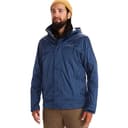
The PreCip Eco has been the budget benchmark for waterproof hiking shells for years, and the Eco update keeps it current with a fully recycled face fabric and PFC-free DWR. At around $132, it delivers a feature set including pit zips, a stowable hood, and full seam taping that rivals jackets priced significantly higher.
Best for: Budget-focused hikers and day-trippers who want all the essential features of a waterproof shell without spending over $140.
- Full feature set at a sub-$140 street price: pit zips, stowable helmet-compatible hood, fully seam-taped, and packable into its own pocket
- 10.3 oz weight keeps it light enough for day hiking and backpacking without the premium price tag
- 2.5-layer construction means a painted liner rather than a fabric backer, which feels rubbery against the neck and wrists during sustained sweaty output
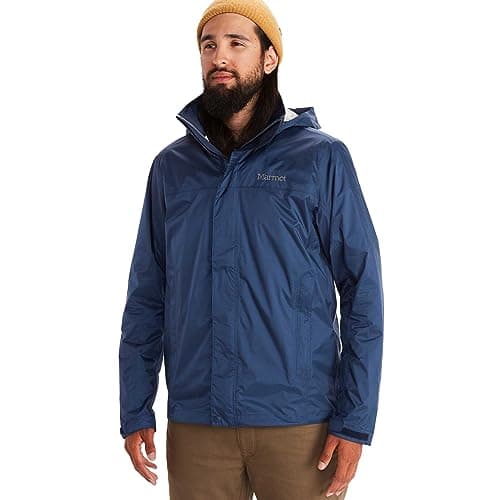
- Waterproof membrane
- 2.5-layer NanoPro Eco (100% recycled nylon ripstop)
- Weight
- 10.3 oz (men's medium)
- Pit zips
- Yes, 12.0" underarm vents
- Packability
- Stuffs into its own pocket with carabiner loop
- DWR
- PFC-free DWR coating, fully seam-taped
- Hood
- Stowable, helmet-compatible, adjustable
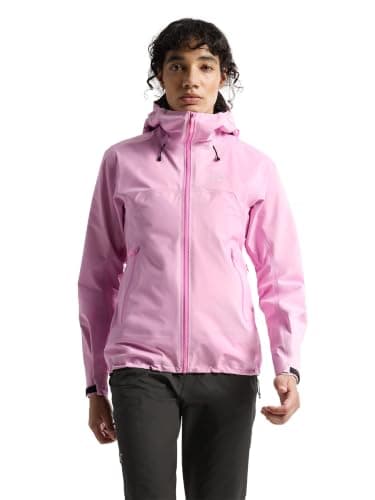
The Beta SL is Arc'teryx's lightest all-mountain shell, rebuilt around GORE-TEX's next-generation ePE membrane that trades traditional fluorocarbon-based PFAS chemistry for expanded polyethylene. Independent lab testing scores it 9.4/10 for water resistance and 8.5/10 for breathability, the highest dual scores in its class.
Best for: Committed trail hikers and mountaineers who spend significant days per year in wet conditions and want a single shell that never compromises on waterproofing or breathability.
- Top-of-class waterproofing combined with class-leading breathability: expert testers score it first overall (87/100) in the most comprehensive rain jacket comparison published, above all other shells tested
- GORE-TEX ePE membrane is PFC-free and significantly more sustainable than legacy GORE-TEX, without sacrificing the 28,000 mm waterproof rating or the C-KNIT comfort backer
- $500 price is a significant barrier; reviewers consistently note it costs 2-3x as much as strong alternatives that cover most hiking scenarios
- Waterproof membrane
- 3-layer GORE-TEX ePE with C-KNIT backer (PFC-free, 28,000 mm rated)
- Weight
- 12 oz (men's) / 10.6 oz (women's)
- Pit zips
- Yes, 12-13" with waterproof coil zippers and dual pulls
- Packability
- Stuffs into own internal pocket; compresses to small volume for 12 oz jacket
- DWR
- FC0 (PFAS-free) DWR treatment
- Hood
- StormHood, helmet-compatible, RECCO reflector integrated
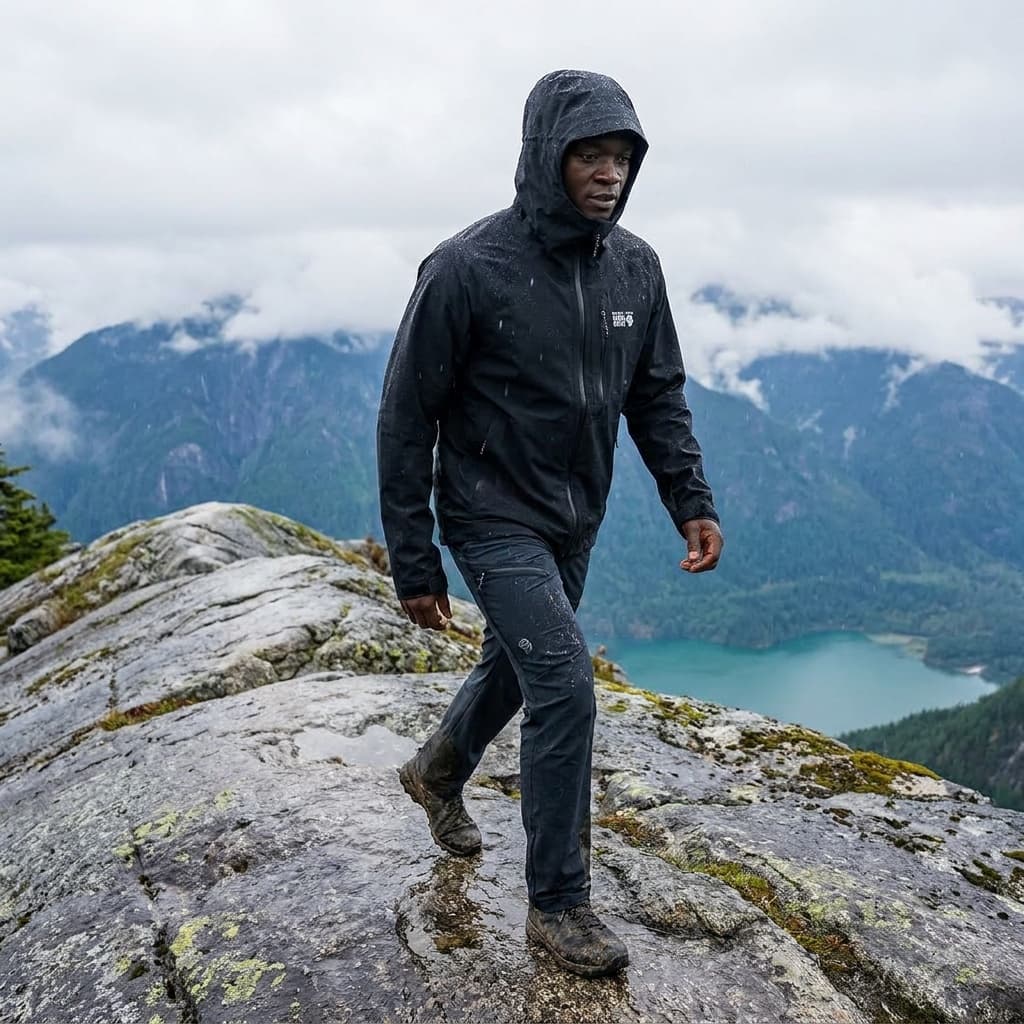
The Stretch Ozonic earns the Editor's Choice nod for hikers who run hot: its 4-way stretch Dry.Q shell scores 9.2/10 on breathability in expert testing, the highest of any jacket in its price tier, making it the natural pick for aerobic trail use where keeping dry on the inside matters as much as keeping dry on the outside.
Best for: High-output hikers and trail runners who prioritize breathability and mobility over bomb-proof waterproofing in all conditions.
- Best-in-class breathability (9.2/10 expert score) and comfort-mobility for active hiking: the stretch fabric moves with you on technical terrain without the stiffness of non-stretch competitors
- 10.6 oz with 4-way stretch and pit zips is a rare combination at the $260 price point; packs into its own chest pocket cleanly
- Waterproofing is adequate for light-to-moderate rain but not designed for sustained heavy downpours: fabric begins wetting out in the shoulders after roughly 30 minutes in serious rain, which 3-layer competitors handle more reliably
- Waterproof membrane
- 2.5-layer Dry.Q 50D stretch ripstop (100% recycled polyester)
- Weight
- 10.6 oz (men's large)
- Pit zips
- Yes, 12.5" one-way underarm vents
- Packability
- Stuffs into chest pocket with carabiner clip; packs to roughly a Nalgene-bottle size
- Stretch
- 4-way mechanical stretch throughout the shell
- Hood
- Three-piece adjustable with rear cinch; not sized for climbing or ski helmets
See all picks in Best rain jackets for hiking: 4 picks for every budget
Keep going
Complete loadoutDay hike kitSeven slots for a full trail day, from the pack and water system to light and weather protection.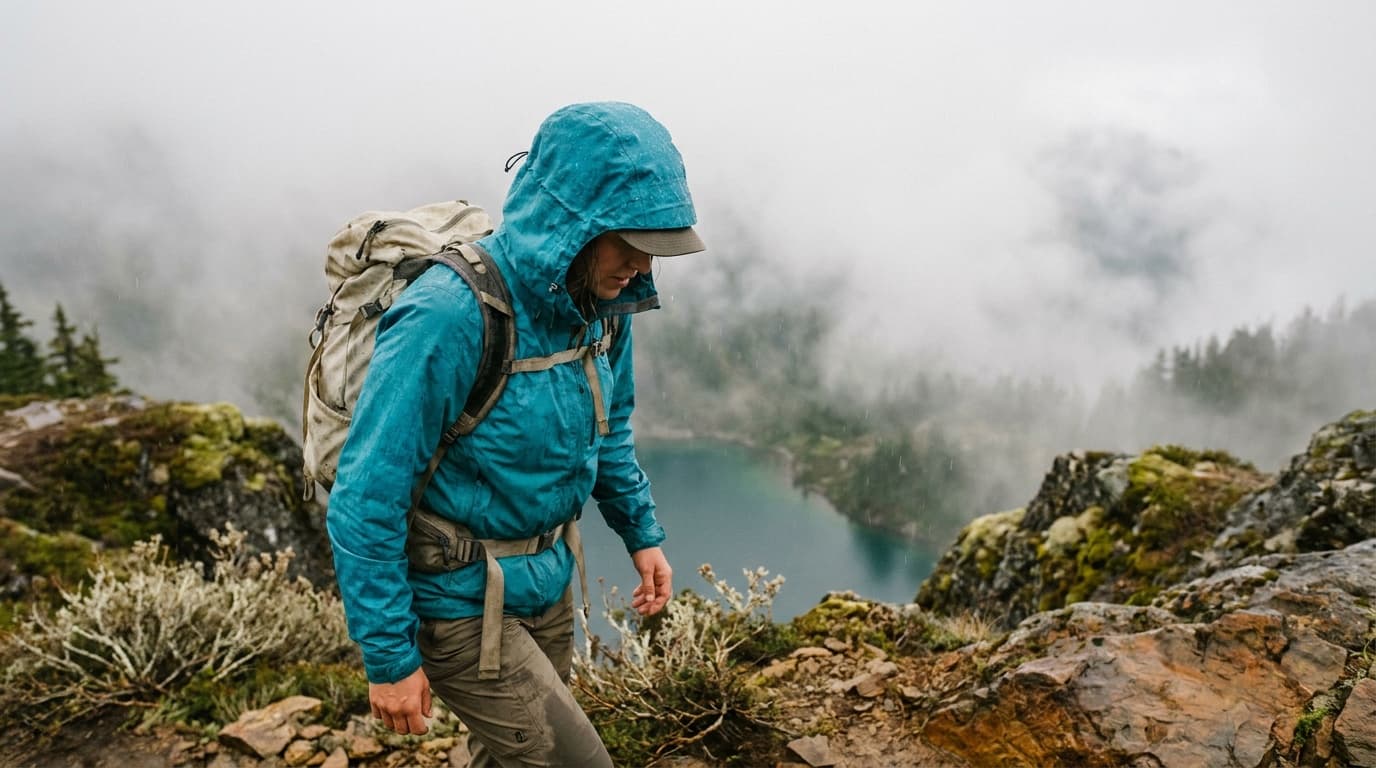
Researched, not hands-on tested
Updated Jul 8, 2026Our recommendations draw on manufacturer documentation, retailer listings, owner feedback, and comparisons with alternatives.
As an Amazon Associate I earn from qualifying purchases. We may earn a commission from links here, at no extra cost to you. How we research →