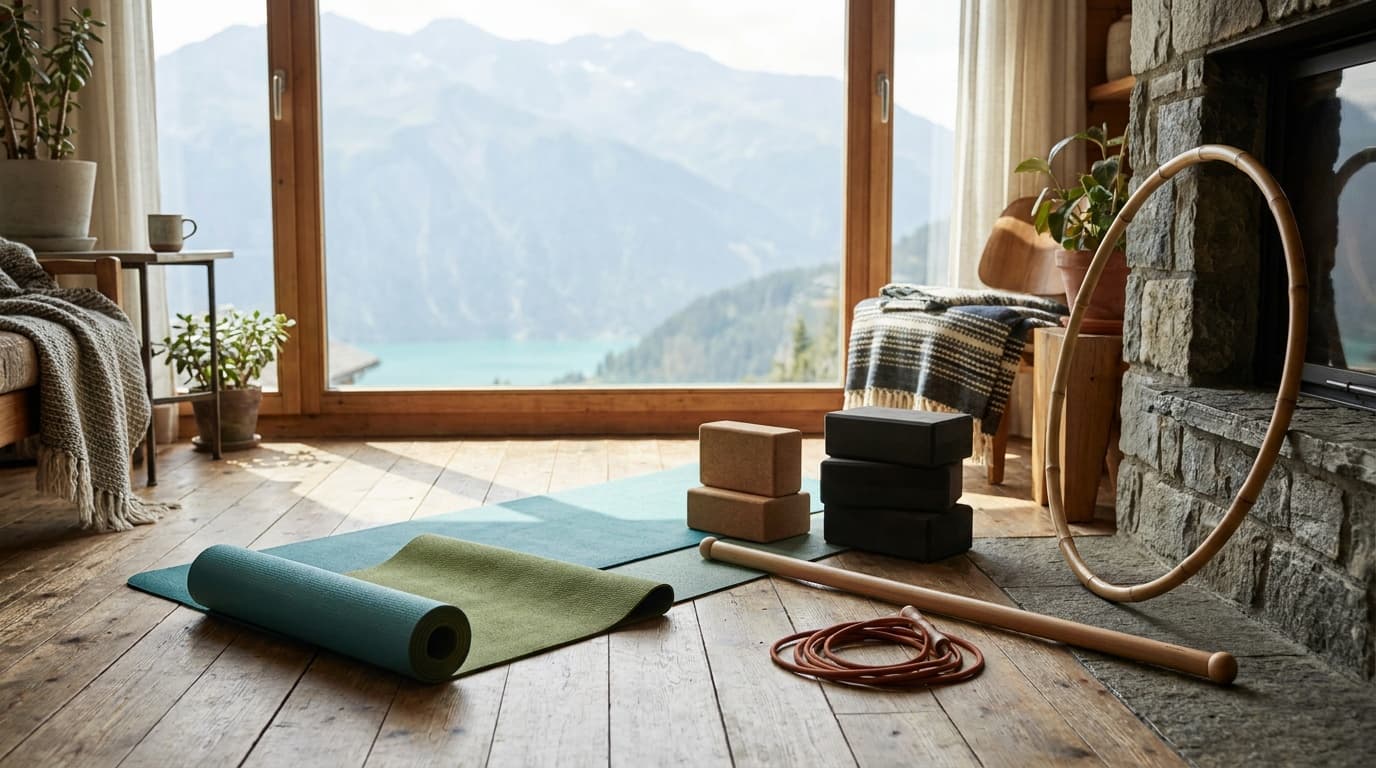
The right yoga mat disappears under you so you can focus on the pose, not on whether your hands are sliding or your knees are aching. Get four things right (thickness, material, grip, and size) and the rest is detail.
Start with thickness: support versus stability
Thickness is the first lever, and more is not better. A thicker mat cushions your joints but floats you further from the floor, which makes balancing poses wobblier. A thinner mat keeps you grounded and stable but punishes your knees on a hard surface.
Most practitioners are best served by a 4–5mm mat. It cushions enough for floor work without undermining your standing balance. Drop to 2–3mm only if you specifically want maximum ground feel or you need a mat that folds small. Reach for 6mm and up if you have sensitive knees or wrists, practice a lot of kneeling and supine work, or train on concrete or hardwood with no give.
Material: PVC, TPE, natural rubber, or cork
Material is the decision that quietly shapes your grip, your weight, your smell-off-the-box, and your environmental footprint. Each one trades something.
PVC (polyvinyl chloride) is the classic studio mat, with the Manduka PRO as the best-known example. It is durable, very grippy when dry, and lasts for years. The downsides: it is a plastic, it can off-gas a chemical smell when new, and it is not biodegradable. Look for phthalate-free and latex-free labels if that matters to you.
TPE (thermoplastic elastomer) is the modern middle ground. It is lighter than PVC, free of PVC and latex, often recyclable, and usually closed-cell so it resists sweat soaking in. Grip is good when dry but tends to fade faster than rubber when wet, and TPE generally wears out sooner than rubber or quality PVC.
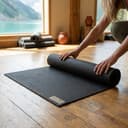
Natural rubber, as used in the JadeYoga Harmony, delivers the best dry-and-damp grip of the common materials and is biodegradable. The costs are real: it is heavy, it carries a distinct rubber smell that fades over weeks, and it is a no-go if you have a latex allergy.
Cork (usually a cork top over a rubber base) has a standout trait: it grips better the more you sweat, because moisture activates the surface. It is naturally antimicrobial and looks great. It runs pricier and the rubber backing keeps the weight up.
Grip is not one number. A mat that grips when dry can betray you the moment you start to sweat.
Open-cell versus closed-cell, and why grip changes when you sweat
This is the detail that decides whether you slide in a hot class. Open-cell mats have a porous surface that absorbs moisture, so sweat sinks in and your hands stay planted as you heat up. The catch is that open-cell mats soak up bacteria too and need regular, thorough cleaning. Closed-cell mats seal the surface, so they wipe clean fast and stay hygienic, but sweat pools on top and can turn the mat slick.
The practical reading: if you do hot yoga or sweat heavily, you want either an open-cell surface, a moisture-activated cork or rubber top, or a separate yoga towel laid over a closed-cell mat. If you run a low-sweat home or office practice and care most about quick cleanup, a closed-cell TPE or PVC mat is the easier companion.
Size and weight: fit it to your body and your commute
The standard mat is about 68 inches long and 24 inches wide. That works for practitioners up to roughly 5'10". If you are taller, your hands in downward dog or your feet in savasana will hang off the end, so look for an 72-inch (or longer) mat. Broader bodies and anyone who likes room to move sideways benefit from a 26 to 30-inch wide mat.
Weight is the spec people ignore until they have to carry the mat. A dense rubber 5mm mat can run 5 to 7 pounds, which is a lot to sling to a studio daily. A TPE mat of the same size might be half that. Travel mats trade cushion for portability, folding to 2 to 3mm and packing into a suitcase.
How to choose your mat in five steps
Name your main practice
Hot, vinyasa, restorative, or travel each point to a different priority. Decide this first and the rest narrows fast.
Set your thickness
Pick 4–5mm as default, thinner for stability and packing, thicker for joint support.
Choose a material for your grip needs
Sweat a lot, go cork or natural rubber. Want light and recyclable, go TPE. Want cheap and durable, go phthalate-free PVC.
Check the cell type
Open-cell or moisture-activated for sweaty practice, closed-cell for fast cleanup.
Confirm the fit
Over 5'10\" needs a longer mat, and check the weight if you will carry it daily.
Durability and price tiers
You tend to get what you pay for, but the ceiling is lower than the marketing suggests. Budget mats (roughly $15–$30) are usually thin PVC or TPE that grip fine at first and pack down or peel within a year of regular use, which is reasonable for a beginner testing the habit. The mid tier ($40–$80) buys denser TPE or natural rubber that holds grip and shape for years. Premium mats ($80–$150), like the Liforme Original Yoga Mat, are typically natural rubber or cork with alignment markings and warranties, and they last the longest if you clean them properly.
Durability is as much about care as cost. Roll a mat with the practice side out (or as the maker specifies) to avoid curling edges, keep rubber and cork out of direct sun, and wipe down after sweaty sessions so the surface does not break down. A well-treated mid-tier mat will outlast a neglected premium one.
Frequently asked questions
What thickness is best for a beginner?
A 4–5mm mat is the safest first choice. It gives enough cushion to protect your knees and wrists during floor poses while keeping you stable in standing and balancing postures. You can always add a folded blanket under sensitive joints rather than committing to a thick, wobbly mat for everything.
Which yoga mat is best for hot yoga?
Look for a mat that grips better as you sweat rather than worse. Cork-topped mats and open-cell natural rubber are strong choices because moisture activates or absorbs into the surface. If you already own a closed-cell mat, the cheapest fix is a microfiber yoga towel laid on top, which absorbs sweat and locks your hands in place.
How long should a good yoga mat last?
A budget PVC or TPE mat often shows wear within a year of frequent practice, while a quality natural rubber or cork mat can last several years with care. Lifespan depends heavily on cleaning and storage: wipe down after sweaty sessions, keep rubber and cork out of direct sunlight, and store the mat rolled rather than creased.
For specific model picks across every practice type, see our guide to the best yoga mats. Browse all fitness guides for more gear how-tos, or read how we research and rate gear.
Recommended gear
Our current top picks from the Best yoga mats in 2026: our top picks for every practice guide, if you are ready to buy.
MANDUKA
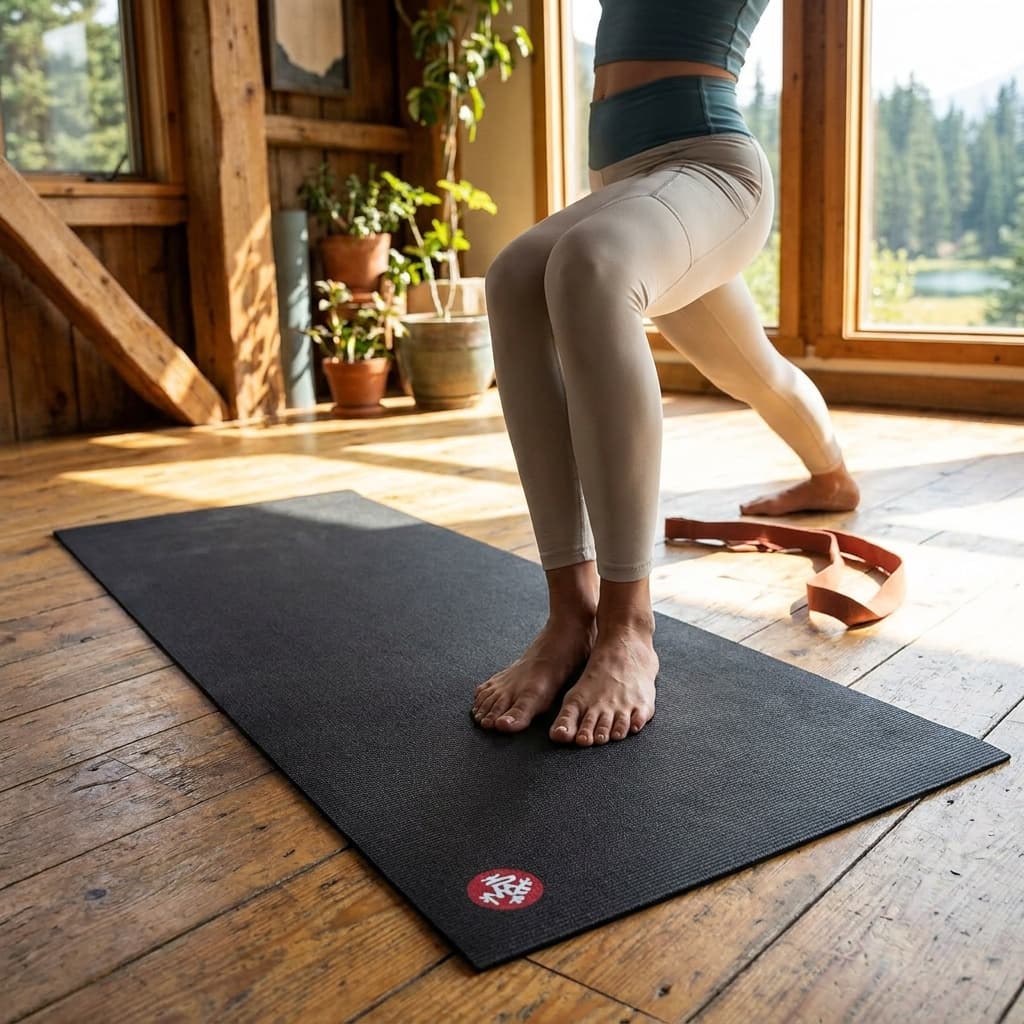
Manduka PRO Yoga Mat 68" 6mm
Best Overall
Kit Score 8.9/10
$138.00 Price checked Oct 23, 4:16 PM CDT
Best for: Daily practitioners and yoga teachers who want a single mat that performs across all styles, holds up for a decade, and prioritizes joint protection over portability.
- Exceptional joint cushioning at 6mm with no compression over years of daily practice
- At 7 lbs it is one of the heavier mats in its class, making it a poor travel companion
- Thickness
- 6mm
- Dimensions
- 68" x 26"
- Weight
- 7 lbs
- Material
- OEKO-TEX certified PVC, closed-cell construction
- Warranty
- Lifetime
- Grip type
- Closed-cell textured surface, dot-pattern underside
About this pick
The Manduka PRO is the mat yoga teachers return to for years, sometimes decades. Six millimeters of ultra-dense PVC cushioning protects joints without the spongy instability that plagues budget options, and the closed-cell surface resists moisture absorption for a cleaner, more hygienic practice.
Strengths
- Exceptional joint cushioning at 6mm with no compression over years of daily practice
- Lifetime warranty backed by independent long-term testing across 5- to 20-year-old mats
- Stable closed-cell surface works well for balance poses and inversions on any floor type
Weaknesses
- At 7 lbs it is one of the heavier mats in its class, making it a poor travel companion
- Grip degrades noticeably when wet, so hot yoga or sweat-heavy flows benefit from a towel overlay
Kit Score breakdown
LIFORME
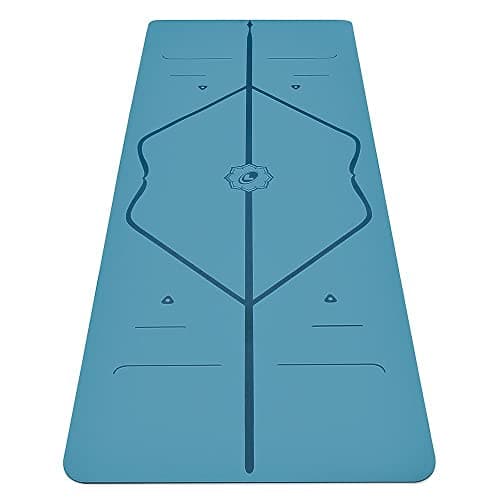
Liforme Original Yoga Mat
Editor's Choice
Kit Score 7.7/10
$165.00 Price checked Oct 23, 4:16 PM CDT
Best for: Hot yoga regulars and alignment-focused practitioners who need a mat that stays grippy through the sweatiest sessions and comes ready to travel.
- Wet grip that actually improves with sweat, making it the standout choice for hot yoga and Bikram classes
- Durability trails the Manduka PRO: reviewers note surface wear and staining after heavy use
- Thickness
- 4.2mm
- Dimensions
- 72.8" x 26.8"
- Weight
- 5.5 lbs
- Material
- Eco-polyurethane top, natural rubber base
- Grip system
- GripForMe polyurethane surface
- Includes
- Enclosed yoga bag with shoulder strap
About this pick
The Liforme Original is the go-to mat for practitioners who sweat heavily or practice hot yoga. Its polyurethane top surface grips harder as it gets wetter, a property that is the reverse of most PVC mats, and the etched AlignForMe grid helps new and advancing practitioners find correct hand and foot placement without guesswork.
Strengths
- Wet grip that actually improves with sweat, making it the standout choice for hot yoga and Bikram classes
- Wider and longer than standard mats (72.8" x 26.8") giving taller practitioners room to move
- Included carry bag with shoulder strap and etched alignment guides add day-to-day usefulness
Weaknesses
- Durability trails the Manduka PRO: reviewers note surface wear and staining after heavy use
- Highest price in this roundup with no lifetime guarantee to offset it
Kit Score breakdown
JADEYOGA
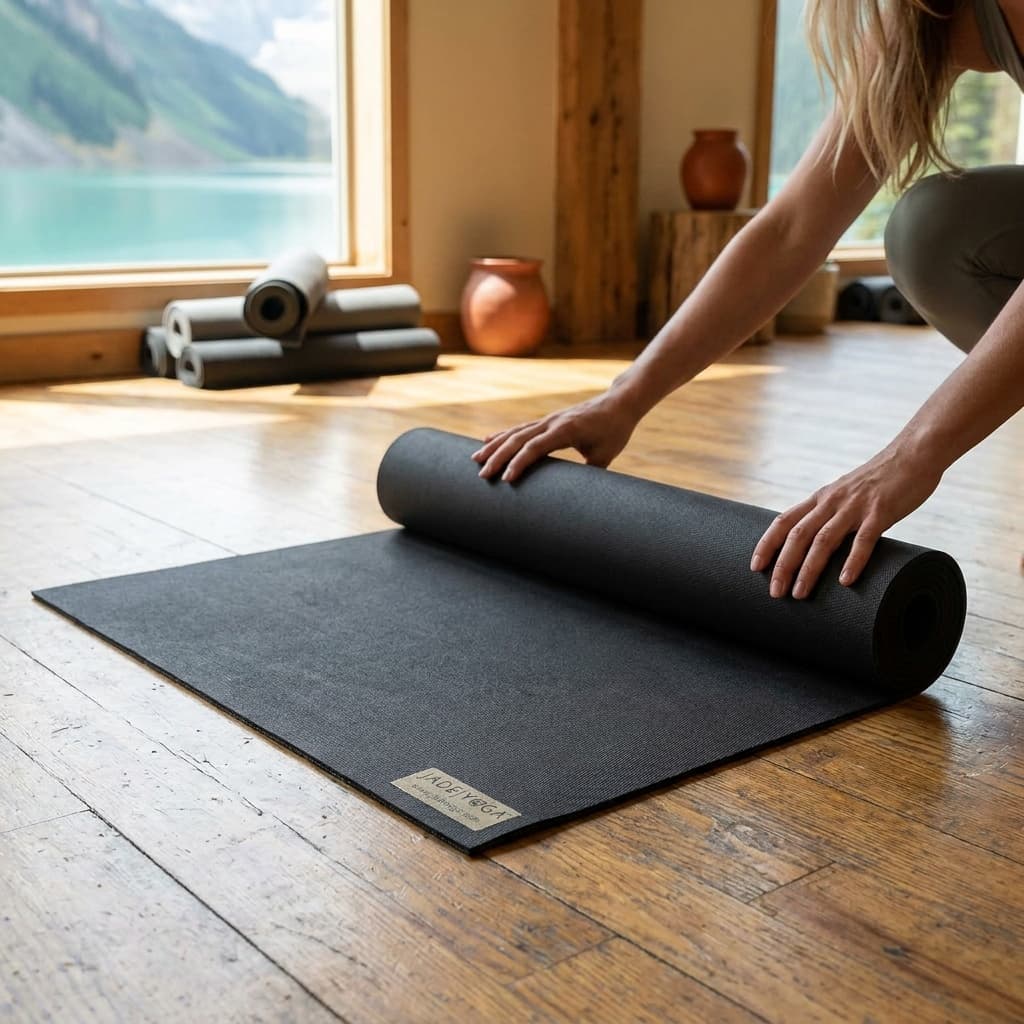
JadeYoga Harmony Yoga Mat 68"
Best Natural Rubber
Kit Score 8.5/10
$114.95 Price checked Oct 23, 4:16 PM CDT
Best for: Eco-minded practitioners who prioritize natural materials, want reliable dry-grip performance, and practice primarily in normal-temperature settings rather than hot yoga.
- 100% natural open-cell rubber provides strong dry grip that outperforms most synthetic alternatives in stability poses
- Open-cell surface absorbs sweat and traps dust, requiring more frequent cleaning than closed-cell or polyurethane-top mats
- Thickness
- 4.75mm (3/16")
- Dimensions
- 68" x 24"
- Weight
- 4.2 lbs
- Material
- 100% natural open-cell rubber, no PVC or EVA
- Construction
- Open-cell natural rubber throughout
- Environmental
- Made in USA, one tree planted per mat sold
About this pick
The JadeYoga Harmony is the benchmark natural rubber mat for practitioners who want to avoid PVC and synthetic materials without sacrificing grip. Open-cell natural rubber delivers a coarse, gritty surface that bites into standing poses and holds position under downward dogs, even as the session heats up.
Strengths
- 100% natural open-cell rubber provides strong dry grip that outperforms most synthetic alternatives in stability poses
- No PVC, phthalates, or synthetic rubber: a clean-material pick for eco-conscious practitioners
- Longevity measured in years, with owners reporting consistent performance past the 7-year mark
Weaknesses
- Open-cell surface absorbs sweat and traps dust, requiring more frequent cleaning than closed-cell or polyurethane-top mats
- Natural rubber contains latex, which rules it out for anyone with a latex sensitivity or allergy
Kit Score breakdown
See all picks in Best yoga mats in 2026: our top picks for every practice
Keep going
Complete loadoutHome calisthenics kitA compact strength and conditioning setup built around five tools that cover pushing, pulling, assistance, cardio, and floor work.
Researched, not hands-on tested
Updated Jun 4, 2026Our recommendations draw on manufacturer documentation, retailer listings, owner feedback, and comparisons with alternatives.
As an Amazon Associate I earn from qualifying purchases. We may earn a commission from links here, at no extra cost to you. How we research →