A kettlebell is one of the highest-leverage pieces of home gym equipment: a single bell covers swings, presses, squats, carries, and rows, and a small rack of four or five covers almost every loading need. The hard part is knowing which style and finish to buy before you've owned one.
Our quick picks
The numbers that matter
Before you scroll the picks, anchor on these figures. They explain why handle finish and weight accuracy matter more than brand name.
How we picked
Every pick below was evaluated using the Kit Score: a weighted rubric built from verified owner reviews, manufacturer specs, and sourced expert consensus across handle diameter, coating durability, weight accuracy, flat-bottom stability, and price-per-pound. No single factor wins on its own.
Best overall: REP Fitness Cast Iron Kettlebell
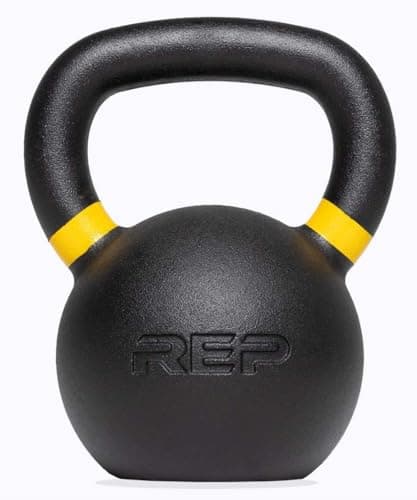
REP's cast iron line earns the top spot by getting the fundamentals right at a price that scales. The handle is machined to a consistent diameter with a smooth but non-slippery finish, the flat base parks the bell without rocking, and verified owners consistently report weight accuracy within a few percent across the full range. That last point matters more than it sounds: a bell that's 10% heavier than labeled will throw off every progression you planned.
REP sells individual bells from 9 lb through 106 lb, so you can start with one or two weights and add to the rack as your training progresses without switching brands.
The card below links to REP's own store, because Amazon's REP listing now opens a 4 kg bell and no longer carries the 16 kg size. On October 10, 2026, REP listed the 14, 16, and 18 kg bells as pre-orders with an estimated ship date of October 21, while most other sizes were shown without a pre-order label. The link opens the 16 kg (35 lb) bell, and you can change the size on REP's page.
BEST OVERALL
REP Fitness Cast Iron Kettlebell
Best for: Home gym owners who want a durable, versatile cast iron bell with room to build a rack of matched weights over time.
- Grip holds up through high-rep sessions without chalk, even with sweaty hands
- The 39 mm handle diameter can feel thick for lifters with smaller hands, particularly on lighter weights
Kit Score 9.0/10 · Check current price · how we score gear
Buy at REP FitnessProduct details
A gravity die-cast bell with a matte powder-coat finish that provides reliable grip without chalk. The wide weight range and consistent manufacturing quality make it a strong single-bell or build-a-set choice for most home gyms.
- Type
- Cast iron, gravity die-cast
- Weight range
- 4 – 48 kg (9 – 106 lb)
- Handle diameter
- 39 mm
- Coating
- Matte black powder coat, chip-resistant
- Base
- Machine-finished flat bottom
- Markings
- Dual kg/lb stamps, color-coded handle rings
More strengths
- Color-coded handle rings and dual kg/lb markings make weight identification instant
- Available from 4 kg to 48 kg, so you can add bells as you progress without switching brands
Other tradeoffs
- Cast iron requires occasional wipe-down in humid environments to prevent surface rust
Why the Lifeline 16 kg pick is paused
We removed the Lifeline Premium 16 kg purchase link on October 5, 2026. The old Amazon selection opened a 4 kg bell; the maker's exact 16 kg / 35 lb model, LLKB16, was notification-only when checked. Neither is an available 16 kg purchase. We will restore the pick when we can verify the correct weight with a working purchase option.
Best value: Yes4All Powder Coated
Yes4All doesn't match the handle quality of REP or Lifeline, but it delivers a functional powder coat, a flat base, and a usable grip at a price that makes sense for a beginner who isn't sure yet how much they'll use a bell. The coating is adequate for moderate use, and verified owners at lighter weights (18 to 44 lb) are generally satisfied.
The main limitation is that the handle finish becomes less consistent at heavier weights, and the weight accuracy is looser than the premium options. For swings, goblet squats, and basic presses at starter loads, it does the job.
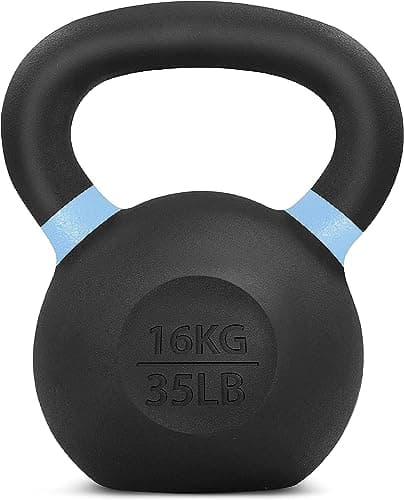
The card links to the 35 lb (16 kg) single in Light Blue. Yes4All sells each bell as a single or as a pair on the same page, so check that "A. Single" is selected before you add it to the cart, and pick a different weight on that page if 35 lb is not your starting point.
BEST VALUE
Yes4All Powder Coated Kettlebell
Best for: Beginners or budget-focused buyers who want a functional cast iron bell for swings, goblet squats, and presses without committing to a premium price.
- Lowest per-pound cost among quality powder-coated options on Amazon, making it easy to build a starter set
- Quality control is less consistent than premium brands: some owners report minor seam lines or uneven coating on isolated units
Kit Score 8.2/10 · $64.33 Price checked Oct 23, 4:16 PM CDT · how we score gear
Buy on AmazonProduct details
A no-frills cast iron bell with a powder coat finish that delivers honest build quality at a price per pound that is hard to beat on Amazon. The slightly textured handle provides grip without being abrasive, and the flat base handles renegade rows cleanly.
- Type
- Cast iron, single-piece no-weld construction
- Weight options
- 9 lb to 80 lb (13 options)
- Handle
- Smooth, slightly textured; chalk-optional
- Coating
- Powder coat, corrosion-resistant
- Base
- Flat bottom for upright storage
- Accuracy
- Weight within 2% of stated
More strengths
- Flat bottom is a practical feature at this price point, enabling push-up and renegade row variations
- Color-coded handle bands make quick weight identification easy in a multi-bell setup
Other tradeoffs
- Handle finish can feel slightly rougher than polished competitors, which matters more on high-rep snatch sets than on swings
Best for small spaces: REP Fitness Adjustable Kettlebell
REP's adjustable bell uses a dial mechanism to shift between weights in the same footprint as a single cast iron bell. It covers a beginner-to-intermediate range in one unit (the two sizes span roughly 12 to 64 lb total between them), and the cast iron feel is genuine because the plates are actual cast iron, not plastic-coated sand.
The trade-off is that the handle widens slightly as you add plates, so it never quite matches the clean feel of a purpose-built bell at heavy loads. For a home gym with limited floor or shelf space, that's an acceptable trade.
BEST FOR SMALL SPACES
REP Fitness Adjustable Kettlebell
Best for: Home gym owners with limited storage who want a genuine cast iron feel and need one or two bells that cover a full beginner-to-intermediate weight progression.
- Replaces five separate kettlebells, a major advantage in apartments or small home gyms with limited floor space
- 24 kg (53 lb) maximum weight is not enough for advanced lifters who press or deadlift heavier
Kit Score 8.1/10 · $219.99 Price checked Oct 23, 4:16 PM CDT · how we score gear
Buy on AmazonProduct details
Five kettlebell weights in one bell footprint: push down and twist to change from 8 kg to 16 kg (or 16 kg to 24 kg) in under five seconds. Cast iron shell and matte powder coat give it a feel closer to a traditional kettlebell than any plastic-shell adjustable.
- Type
- Adjustable, cast iron shell with powder coat
- Weight range
- 8–16 kg or 16–24 kg (5 settings per bell)
- Increments
- 2 kg steps
- Handle diameter
- 34.6 – 35 mm
- Adjustment
- Push-down and twist dial; nylon thermoplastic locking plates
- Base
- Rubber-padded, floor-protective
More strengths
- Cast iron construction and matte powder coat feel authentic through swings and presses, unlike cheaper adjustables with plastic bodies
- Minimal plate rattle during dynamic movements due to nylon thermoplastic locking mechanism
Other tradeoffs
- Plastic adjustment dial is the one component that could fail with rough use; treat it as a precision mechanism, not a gym floor throw

How they compare
| Product | Kit Score | Price | Best for |
|---|---|---|---|
| REP Fitness Cast Iron Kettlebell | 9.0 | Check current price | Best for: Home gym owners who want a durable, versatile cast iron bell with room to build a rack of matched weights over time. Why it stands out: Grip holds up through high-rep sessions without chalk, even with sweaty hands Tradeoff: The 39 mm handle diameter can feel thick for lifters with smaller hands, particularly on lighter weights |
| Yes4All Powder Coated Kettlebell | 8.2 | $64.33 Price checked Oct 23, 4:16 PM CDT | Best for: Beginners or budget-focused buyers who want a functional cast iron bell for swings, goblet squats, and presses without committing to a premium price. Why it stands out: Lowest per-pound cost among quality powder-coated options on Amazon, making it easy to build a starter set Tradeoff: Quality control is less consistent than premium brands: some owners report minor seam lines or uneven coating on isolated units |
| REP Fitness Adjustable Kettlebell | 8.1 | $219.99 Price checked Oct 23, 4:16 PM CDT | Best for: Home gym owners with limited storage who want a genuine cast iron feel and need one or two bells that cover a full beginner-to-intermediate weight progression. Why it stands out: Replaces five separate kettlebells, a major advantage in apartments or small home gyms with limited floor space Tradeoff: 24 kg (53 lb) maximum weight is not enough for advanced lifters who press or deadlift heavier |
REP Fitness Cast Iron Kettlebell
- Best for
- Home gym owners who want a durable, versatile cast iron bell with room to build a rack of matched weights over time.
- Why it stands out
- Grip holds up through high-rep sessions without chalk, even with sweaty hands
- Tradeoff
- The 39 mm handle diameter can feel thick for lifters with smaller hands, particularly on lighter weights
Yes4All Powder Coated Kettlebell
- Best for
- Beginners or budget-focused buyers who want a functional cast iron bell for swings, goblet squats, and presses without committing to a premium price.
- Why it stands out
- Lowest per-pound cost among quality powder-coated options on Amazon, making it easy to build a starter set
- Tradeoff
- Quality control is less consistent than premium brands: some owners report minor seam lines or uneven coating on isolated units
REP Fitness Adjustable Kettlebell
- Best for
- Home gym owners with limited storage who want a genuine cast iron feel and need one or two bells that cover a full beginner-to-intermediate weight progression.
- Why it stands out
- Replaces five separate kettlebells, a major advantage in apartments or small home gyms with limited floor space
- Tradeoff
- 24 kg (53 lb) maximum weight is not enough for advanced lifters who press or deadlift heavier
How to choose the right kettlebell
The three decisions that matter most: style, handle diameter, and coating. Everything else follows.
Four questions to find your bell
Cast iron or competition?
Cast iron bells are best for home gyms: the handle diameter varies by weight, which is fine for most exercises, and the price is much lower. Competition bells have a uniform 35 mm handle across all weights and a standard size body, which matters for high-rep sport lifting but is overkill for general fitness.
What handle diameter fits your hands?
Most cast iron bells run 33 to 34 mm, which suits most hands. If you have very large hands or plan to do a lot of double-handed work, try a 35 mm handle before committing.
Powder coat or bare iron?
Powder coat is the right default for home gyms: it's grippy, durable, and protects the iron from rust. Bare iron develops a patina and suits those who prefer chalk, but requires more care. Vinyl and rubber coatings protect floors but feel unpleasant on calluses.
One bell or a rack?
One bell at the right weight (typically 16 kg/35 lb for most men, 8 to 12 kg/18 to 26 lb for most women starting out) is the right way to begin. A rack of three to five bells in 4 to 8 kg steps gives you a complete home training setup.
FAQ
What weight kettlebell should a beginner buy?
A common starting point is 16 kg (35 lb) for most men and 8 to 12 kg (18 to 26 lb) for most women, but the right answer depends on your current strength. The press test is a reliable guide: if you can press it overhead for five controlled reps, it's a good starting weight for a versatile training range.
Is a competition kettlebell worth it for home training?
For most home gym users, no. Competition bells have a uniform handle diameter and body size across all weights, which is valuable for high-rep sport training where consistency matters. For general fitness and strength work, a quality cast iron bell with a good powder coat delivers the same training benefit at a lower price.
How long does powder coat last on a kettlebell?
On a quality bell used in a typical home gym, powder coat lasts many years without significant wear. The variables are frequency of use, whether you use chalk (which is abrasive over time), and storage conditions (humidity accelerates rust under any coating that chips). Lifeline and REP both have strong owner-reported durability over five-plus years of use.
The right bell bought once lasts a decade. See more fitness gear picks or read how we research and rate.
Keep going
Our recommendations draw on manufacturer documentation, retailer listings, owner feedback, and comparisons with alternatives.
As an Amazon Associate I earn from qualifying purchases. We may earn a commission from links here, at no extra cost to you. How we research →