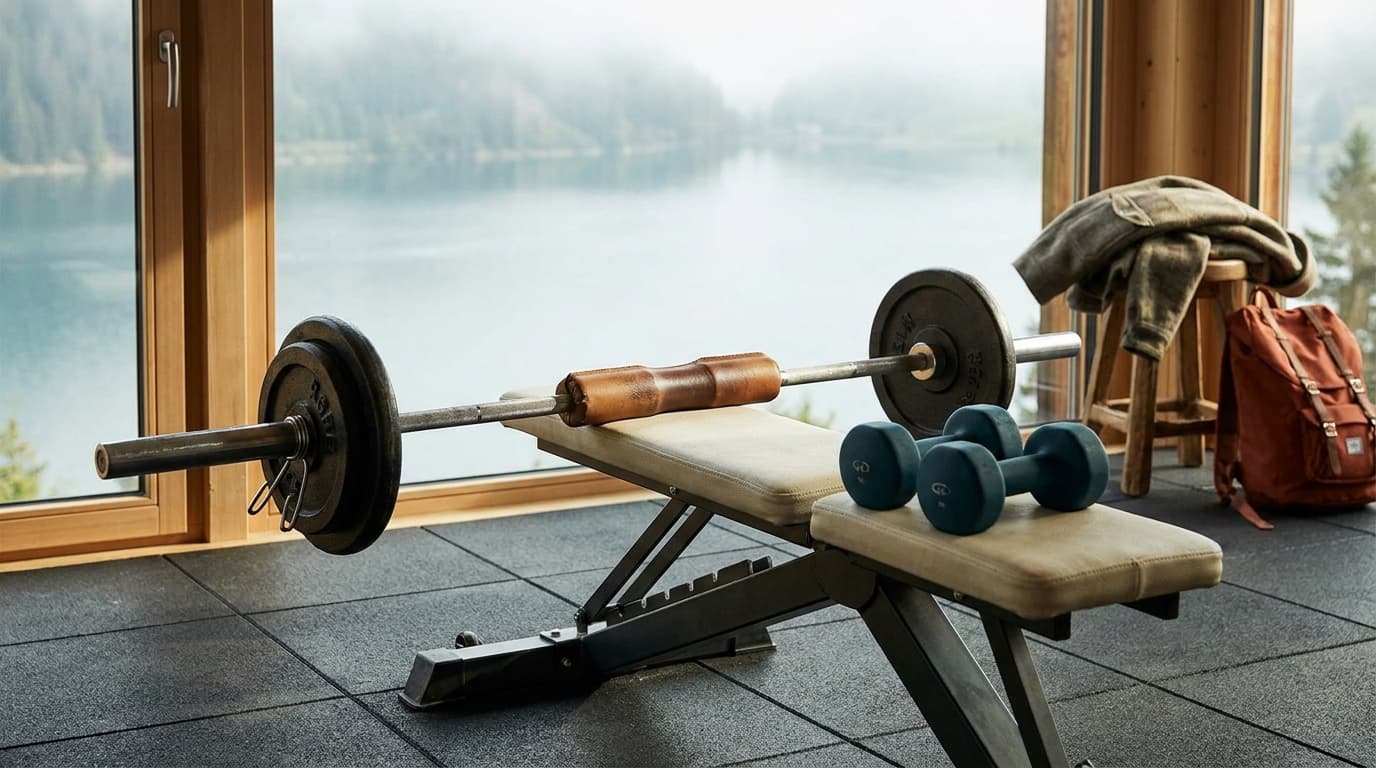
A shaky bench is a safety problem, not just an annoyance. The difference between a bench that wobbles under a 225 lb press and one that stays planted comes down to frame thickness, foot design, and how the adjustment mechanism locks. These picks hold up on those measures across hundreds of verified owner reviews and head-to-head spec comparisons.
Our quick picks
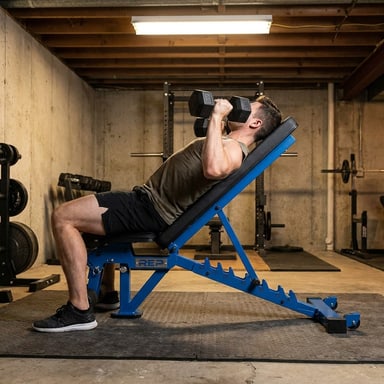
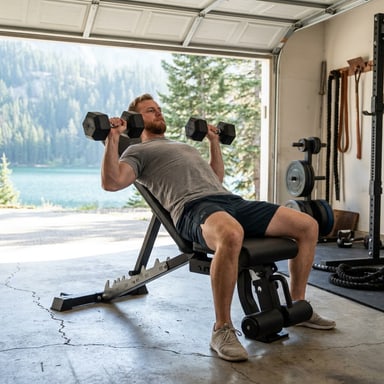
How we picked
Every bench on this list was evaluated against our Kit Score: a weighted rubric covering stability and wobble under load, adjustment range and detent quality, pad firmness, weight capacity, footprint and storability, and long-term value. We aggregate verified owner feedback, third-party lab data, and retailer spec sheets to build each score.
Best overall: REP Fitness AB-3100
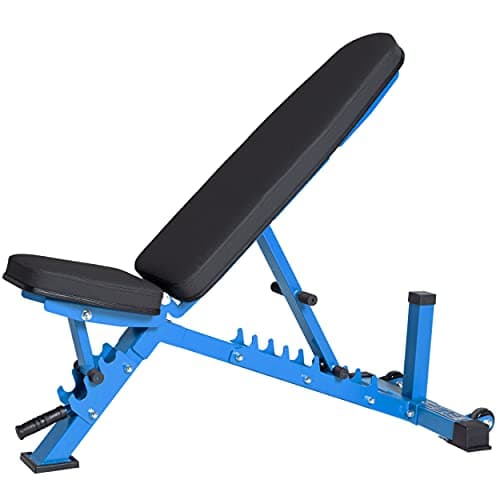
The AB-3100 has been a home-gym benchmark for years. REP builds it on a 14- to 4-gauge steel frame with a three-post base and grooved rubber feet on all three contact points, rates it for 700 lb, and gives it six back-pad positions from flat to 90 degrees plus three seat angles, all set with a ladder adjustment. The textured vinyl pads are firm and grippy, and the back pad tapers from 11.75 to 9 inches. REP's owner reviews average 4.9 out of 5, with sturdiness and easy assembly the most common praise; a few owners note minor wobble on carpet or when leaning over to pick up weights.
The AB-3100 is incline-only: no decline position. If decline presses are a fixture of your programming, look at the Titan below. But for the majority of lifters doing flat and incline dumbbell and barbell work, this is the bench that disappears into your training.
REP sells the AB-3100 direct rather than through Amazon, so the buy button goes to REP's own store. When a color is on pre-order, REP shows the estimated ship date on the product page before you check out.
BEST OVERALL
REP Fitness Adjustable Bench AB-3100
Best for: Home gym lifters who prioritize a stable, no-nonsense incline bench for heavy pressing and want long-term value without paying for features they will not use.
- Rock-solid construction with virtually zero wobble reported by owners across hundreds of reviews
- No decline position: flat and incline only, so decline press work requires a different setup
Kit Score 9.0/10 · Check current price · how we score gear
Buy at REP FitnessProduct details
The AB-3100 is a flat and incline bench with no decline position, built on a three-post design so your feet stay clear during pressing. Six back positions from flat to 90 degrees, 700 lb capacity, textured non-slip vinyl pads, and a 10-year frame warranty put it among the best-built benches under $300.
- Weight capacity
- 700 lb
- Back pad positions
- 6 (0, 30, 45, 60, 75, 90 degrees)
- Seat positions
- 3 (0, 10, 20 degrees)
- Flat bench height
- 16.75 in
- Pad dimensions
- 11.75 in wide (tapers to 9 in) x 34.75 in back pad, 49.5 in total pad length
- Frame
- 14- to 4-gauge steel, 10-year frame warranty
More strengths
- Grippy, textured vinyl pads that stay put under heavy loads without bunching
- Three-post design keeps the bench legs out of your feet while pressing, a detail many cheaper benches miss
Other tradeoffs
- Narrow pad width (tapers from 11.75 in to 9 in) feels cramped for broader-shouldered lifters at high incline
Best budget: Flybird WB5
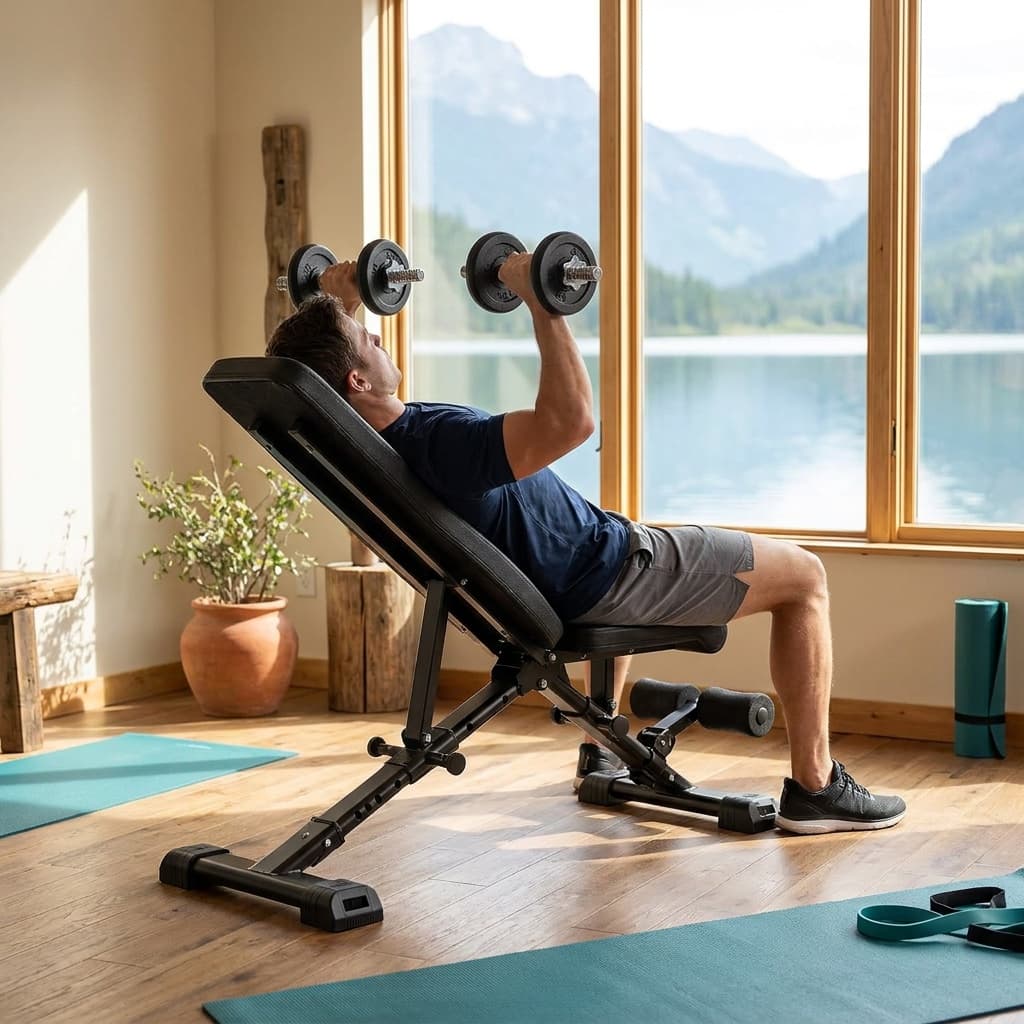
The WB5 is a lightweight FID bench that earns its budget price by doing one thing well: giving you a stable, portable platform for dumbbell work and moderate barbell loads in a small footprint. The folding frame drops to roughly 19 by 9 inches stored, so it slides under a bed or against a wall between sessions. The eight adjustment levels include a decline position, which is unusual at this price.
The trade-offs are real: the 620 lb rated capacity includes user weight, and the thinner pad is noticeably less supportive under heavy pressing compared to the REP. For a lifter whose top sets stay in the 80–100 lb dumbbell range, those limits never come into play. For anyone pressing heavy barbells regularly, the AB-3100 is worth the extra $100.
BEST BUDGET
Flybird WB5 Adjustable Weight Bench
Best for: Budget-conscious home gym builders who want a lightweight, storable FID bench for dumbbell work and moderate barbell loads.
- True flat, incline, and decline capability including a -30 degree decline, rare under $160
- Some lateral wobble reported under heavy loads or during dumbbell flyes with significant side stress
Kit Score 7.9/10 · $149.98 Price checked Oct 23, 6:22 AM CDT · how we score gear
Buy on AmazonProduct details
The WB5 packs flat, incline, and decline positions into a foldable 28.5 lb frame that stores against a wall in three steps. With a 30-inch extended backrest, 800 lb ASTM-certified capacity, and over 25,000 Amazon reviews, it is the benchmark budget FID bench.
- Weight capacity
- 800 lb (ASTM certified)
- Back pad positions
- 7 (-30, -10, 0, 23, 37, 51, 85 degrees per Amazon title: -30 to 90)
- Seat positions
- 3
- Flat bench height
- 18.8 in
- Folded footprint
- Folds flat, 9.06 in wide for upright wall storage
- Bench weight
- 28.5 lb
More strengths
- Folds flat and weighs under 30 lb, making it easy to move and store in small spaces
- 800 lb ASTM-certified rating is higher than many benches costing twice as much
Other tradeoffs
- Pad foam is less dense than premium options and can absorb sweat over time
A bench that wobbles under your working weight is not a minor inconvenience, it is the fastest way to cut a lift short or take a bar to the chest.
Best value: Marcy SB-7485
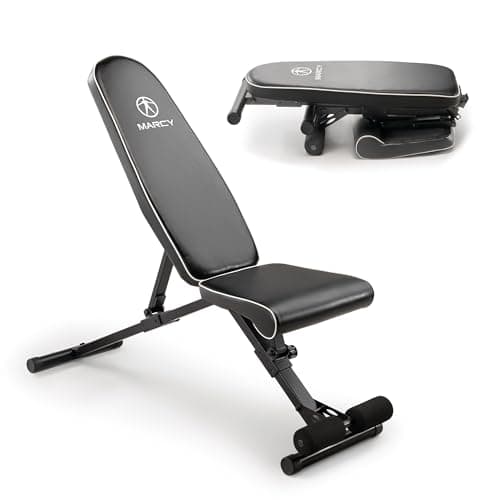
The SB-7485 is the rare sub-$130 bench that ships fully assembled and includes a genuine decline position. You pull it out of the box, unfold it, and lift. The steel frame is lighter-gauge than the REP or Titan, but the four-angle adjustment (flat, incline, decline, and upright) covers the bases, and the integrated transport wheels make it easy to move out of the way.
Weight capacity is rated at 300 lb including user weight, which limits it to lighter loads. But for a lifter who wants a complete adjustable bench under $130, needs decline for ab work or reverse flyes, and has to store it quickly after training, the Marcy fills a gap the other picks do not.
BEST VALUE
Marcy Adjustable Utility Bench SB-7485
Best for: Lifters who want a no-assembly, full flat-incline-decline bench under $130 and need to move or store it quickly.
- Assembly-free design is ready straight out of the box, no tools or build time required
- At 600 lb capacity it trails heavier-duty options; not the pick for max-effort barbell work
Kit Score 7.5/10 · $114.99 Price checked Oct 23, 6:22 AM CDT · how we score gear
Buy on AmazonProduct details
The SB-7485 arrives pre-assembled and ready to use, with an 8-position backrest and 5-position seat covering flat, incline, decline, and upright angles. The 2-inch high-density pads are double-stitched vinyl, the frame folds for storage, and the carry handle makes it easy to move.
- Weight capacity
- 600 lb
- Back pad positions
- 8 (upright, incline, flat, decline)
- Seat positions
- 5
- Pad thickness
- 2 in high-density foam
- Frame
- Powder-coated alloy steel, assembly-free out of box
- Bench weight
- 30 lb
More strengths
- 8-position backrest and 5-position seat cover the full range of pressing and curl angles
- Folds flat with a carry handle for quick transport and storage in small spaces
Other tradeoffs
- Thinner frame than steel competitors like REP Fitness; stability under heavy lateral loads is unconfirmed at this price
Editor's choice: Titan Fitness Elite FID
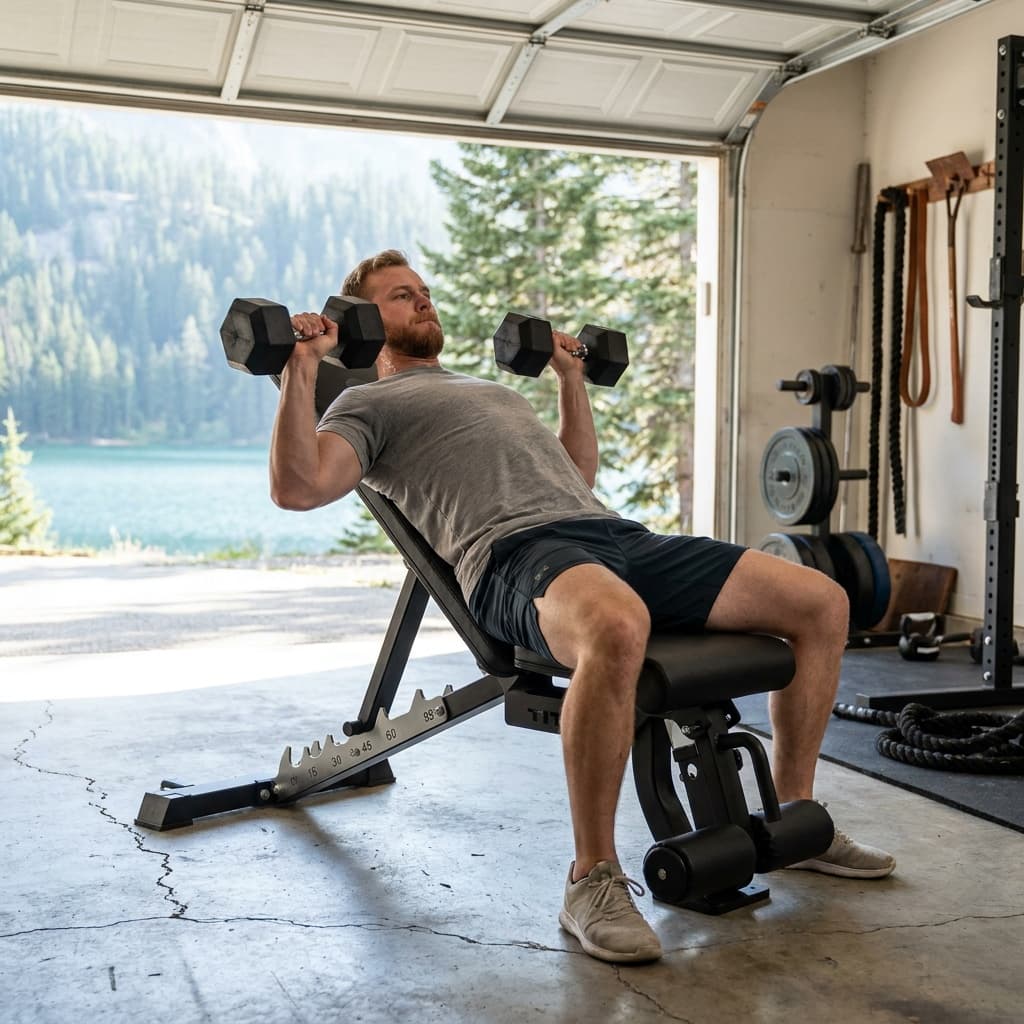
The Elite Series FID is the pick for lifters who want the full picture. The 1,000 lb rated capacity means the frame will not be the limiting factor in your gym for years, the 3.5-inch thick pad stays supportive through long sessions, and the decline position is a true, well-angled decline rather than a token one. The foot attachment post accepts standard leg curl/extension accessories if you add them later.
It costs $330–$360, which is a real premium over the AB-3100. What you get for it is a heavier, more permanent-feeling bench with a broader angle range and headroom for a much heavier lifter or a future accessory. For a home gym built to last, it is the top-of-range choice.
EDITOR'S CHOICE
Titan Fitness Elite Series Adjustable FID Bench
Best for: Home gym owners who want a true flat, incline, and decline bench with heavy-duty construction and do not need IPF-compliant height for competition prep.
- True FID capability with 11-gauge steel construction and a 1,000 lb flat rating, a combination rare under $400
- 18.25-inch flat height exceeds IPF's 17-inch standard, which can complicate leg drive technique for shorter lifters
Kit Score 8.3/10 · Check current price · how we score gear
Buy at Titan FitnessProduct details
The Titan Elite FID delivers flat, incline, and decline positions on an 11-gauge steel tripod frame with a 1,000 lb flat capacity and HeftyGrip vinyl pads. It folds upright and rolls on rear wheels, making it a genuine mid-tier FID bench at a price well below commercial options.
- Weight capacity
- 1,000 lb flat / 500 lb incline
- Back pad positions
- 6 (0, 15, 30, 45, 60, 85 degrees)
- Seat positions
- 4 (0, 5, 10, 15 degrees)
- Flat bench height
- 18.25 in
- Pad spec
- HeftyGrip vinyl, 11 in wide x 36 in long x 2.25 in thick
- Frame
- 11-gauge 2x2 steel, 71 lb
More strengths
- Tripod frame with foam foot anchors delivers strong lateral stability that owners describe as commercial-grade
- Folds upright for storage and rolls on rear wheels, practical for shared garage gym spaces
Other tradeoffs
- Vinyl quality in earlier production runs was inconsistent; recent versions appear improved but pad durability lags behind REP Fitness
How they compare
| Product | Kit Score | Price | Best for |
|---|---|---|---|
| REP Fitness Adjustable Bench AB-3100 | 9.0 | Check current price | Best for: Home gym lifters who prioritize a stable, no-nonsense incline bench for heavy pressing and want long-term value without paying for features they will not use. Why it stands out: Rock-solid construction with virtually zero wobble reported by owners across hundreds of reviews Tradeoff: No decline position: flat and incline only, so decline press work requires a different setup |
| Flybird WB5 Adjustable Weight Bench | 7.9 | $149.98 Price checked Oct 23, 6:22 AM CDT | Best for: Budget-conscious home gym builders who want a lightweight, storable FID bench for dumbbell work and moderate barbell loads. Why it stands out: True flat, incline, and decline capability including a -30 degree decline, rare under $160 Tradeoff: Some lateral wobble reported under heavy loads or during dumbbell flyes with significant side stress |
| Marcy Adjustable Utility Bench SB-7485 | 7.5 | $114.99 Price checked Oct 23, 6:22 AM CDT | Best for: Lifters who want a no-assembly, full flat-incline-decline bench under $130 and need to move or store it quickly. Why it stands out: Assembly-free design is ready straight out of the box, no tools or build time required Tradeoff: At 600 lb capacity it trails heavier-duty options; not the pick for max-effort barbell work |
| Titan Fitness Elite Series Adjustable FID Bench | 8.3 | Check current price | Best for: Home gym owners who want a true flat, incline, and decline bench with heavy-duty construction and do not need IPF-compliant height for competition prep. Why it stands out: True FID capability with 11-gauge steel construction and a 1,000 lb flat rating, a combination rare under $400 Tradeoff: 18.25-inch flat height exceeds IPF's 17-inch standard, which can complicate leg drive technique for shorter lifters |
REP Fitness Adjustable Bench AB-3100
- Best for
- Home gym lifters who prioritize a stable, no-nonsense incline bench for heavy pressing and want long-term value without paying for features they will not use.
- Why it stands out
- Rock-solid construction with virtually zero wobble reported by owners across hundreds of reviews
- Tradeoff
- No decline position: flat and incline only, so decline press work requires a different setup
Flybird WB5 Adjustable Weight Bench
- Best for
- Budget-conscious home gym builders who want a lightweight, storable FID bench for dumbbell work and moderate barbell loads.
- Why it stands out
- True flat, incline, and decline capability including a -30 degree decline, rare under $160
- Tradeoff
- Some lateral wobble reported under heavy loads or during dumbbell flyes with significant side stress
Marcy Adjustable Utility Bench SB-7485
- Best for
- Lifters who want a no-assembly, full flat-incline-decline bench under $130 and need to move or store it quickly.
- Why it stands out
- Assembly-free design is ready straight out of the box, no tools or build time required
- Tradeoff
- At 600 lb capacity it trails heavier-duty options; not the pick for max-effort barbell work
Titan Fitness Elite Series Adjustable FID Bench
- Best for
- Home gym owners who want a true flat, incline, and decline bench with heavy-duty construction and do not need IPF-compliant height for competition prep.
- Why it stands out
- True FID capability with 11-gauge steel construction and a 1,000 lb flat rating, a combination rare under $400
- Tradeoff
- 18.25-inch flat height exceeds IPF's 17-inch standard, which can complicate leg drive technique for shorter lifters
How to choose the right bench
The feature list matters less than matching a bench to how you actually train. These questions narrow it down.
Five questions to find your bench
How heavy are your working sets?
If you regularly press a barbell near or above 200 lb, prioritize weight capacity and frame rigidity: the REP or Titan. For dumbbell-focused training under 100 lb per hand, the Flybird is sufficient.
Do you need decline?
Decline presses and ab crunches require a decline position. Only the Flybird WB5, Marcy SB-7485, and Titan Elite FID include one. The REP AB-3100 is incline-only.
How important is storage?
The Flybird folds to roughly 19 by 9 inches and weighs around 27 lb, making it the clear choice for tight spaces. The Marcy rolls on wheels. The REP and Titan are larger and heavier but are not meant to move often.
Are you buying for one person or a household?
Heavier users or lifters who share equipment benefit from the higher weight ratings and stiffer frames of the REP (700 lb) and Titan (1,000 lb).
Is this a starter bench or a forever bench?
If you are building a home gym you plan to keep, buy more bench than you need today. Upgrading a bench mid-program is disruptive and costs more in the long run than stepping up once.
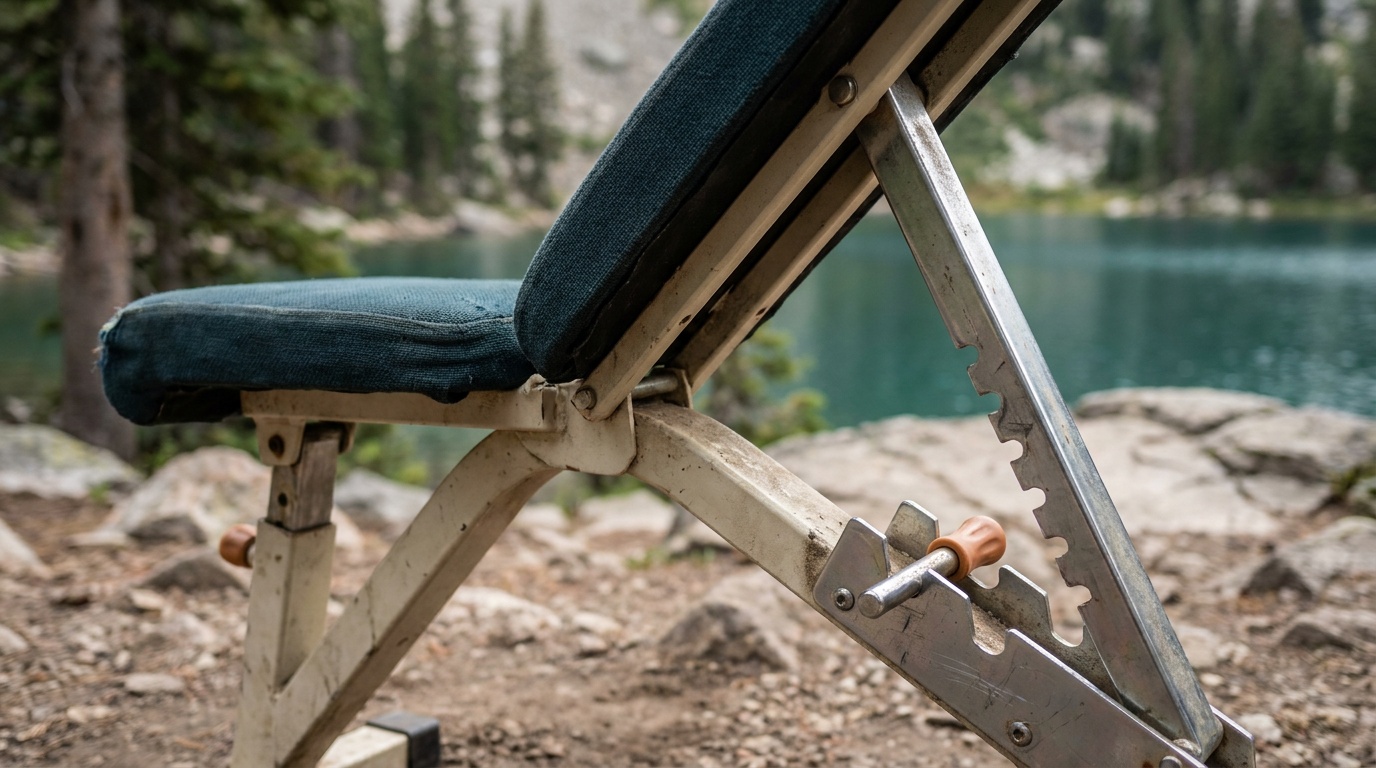
Pad firmness and why it matters more than you think
A bench pad that compresses too much under load shifts your contact points during a press, which changes your bar path and puts torque on your shoulders. The general guideline from strength coaches is a pad firm enough to push back: you should feel support from the bench, not sink into it. REP describes the AB-3100's pads as comfortable yet firm, and the Titan Elite uses a 3.5-inch pad. The Flybird's thinner pad is adequate for lighter loads but shows more compression under heavy pressing. If you have shoulder history, prioritize pad firmness alongside capacity.
FAQ
What weight capacity do I need in an adjustable bench?
Bench weight capacity is rated for the combined load of the user and any weight directly on the pad. A 200 lb lifter doing 135 lb dumbbell presses (67.5 lb per hand) is well under a 600 lb rating, but as total load approaches the rated limit, frame flex and wobble increase. Buying 20–30% headroom above your realistic max is a reasonable buffer.
Is a decline position worth paying for?
For most home gym lifters, decline pressing is a secondary movement, and many skip it entirely in favor of cable flyes or incline work. If decline is in your regular rotation, the Flybird WB5 and Marcy SB-7485 both include it at budget prices. The Titan Elite adds decline with a heavier-duty build if you prioritize it at a higher budget.
How do I stop a weight bench from wobbling?
Wobble on an adjustable bench usually comes from one of three places: the back pad adjustment mechanism is not fully seated in its detent, the feet are uneven on the floor (rubber mats help), or the frame-to-capacity ratio is genuinely insufficient for the load. If the pin is seated and the feet are level and it still wobbles under your working weight, the bench is undersized for the load.
For more home gym gear, browse all fitness reviews, or read how we research and rate.
Keep going
Our recommendations draw on manufacturer documentation, retailer listings, owner feedback, and comparisons with alternatives.
As an Amazon Associate I earn from qualifying purchases. We may earn a commission from links here, at no extra cost to you. How we research →