When to go
Conditions, crowds, and what each season asks you to pack.
Spring
82-86F
Highs near 82-86F, dry and breezy, warm seas around 80F
Pack Reef-safe sunscreen, rash guard, and a snorkel mask
Summer
86-90F
Highs 86-90F, humid with brief afternoon showers, very warm water
Pack Sun shirt, electrolytes, and bug spray for shaded trails
Fall
86-90F
Highs 86-90F, peak hurricane season with heavier rain, hot and humid
Pack Rain shell, sturdy sandals, and a flexible plan around storms
Winter
80-84F
Highs 80-84F, the driest and most comfortable stretch, water near 79F
Pack Snorkel gear, a light layer for breezy evenings, and book lodging early
Crowds by month, from NPS visit counts
Busiest: March. An average March brings about 48,100 recreation visits to Virgin Islands, roughly 1,550 a day. Peak crowds run December to July.
Quietest: September. About 14,100 visits, 29% of the busiest month.
- Low
- Moderate
- High
- Peak
Bar height is each month's average visits compared with the busiest month. Low is under 25% of that peak, Moderate 25 to 49%, High 50 to 74%, Peak 75% and up.
See the monthly numbers
| Month | Avg visits | Share of year | Crowds |
|---|---|---|---|
| January | 42,601 | 10% | Peak |
| February | 39,793 | 10% | Peak |
| March | 48,080 | 12% | Peak |
| April | 43,597 | 11% | Peak |
| May | 39,584 | 10% | Peak |
| June | 38,387 | 9% | Peak |
| July | 37,830 | 9% | Peak |
| August | 19,501 | 5% | Moderate |
| September | 14,145 | 3% | Moderate |
| October | 17,974 | 4% | Moderate |
| November | 31,718 | 8% | High |
| December | 41,085 | 10% | Peak |
Source: NPS Visitor Use Statistics, monthly recreation visits, averaged over 2023–2025. October and November 2025 are left out of the averages because of the federal government shutdown. Visits count entries, not unique people. NPS monthly report for Virgin Islands · Crowd calendar for all 63 parks
Virgin Islands weather by month
Average daily highs and lows, plus monthly precipitation, from NOAA's 1991-2020 climate normals for St. Thomas, across Pillsbury Sound. Shaded months are the park's best season. Tap a month to build a pack list for it.
| Month | Jan | Feb | Mar | Apr | May | Jun | Jul | Aug | Sep | Oct | Nov | Dec |
|---|---|---|---|---|---|---|---|---|---|---|---|---|
| High (F) | 84 | 84 | 85 | 86 | 87 | 89 | 90 | 90 | 89 | 88 | 87 | 85 |
| Low (F) | 74 | 74 | 74 | 76 | 78 | 79 | 79 | 80 | 80 | 78 | 77 | 75 |
| Precip (in) | 2.6 | 1.9 | 1.9 | 2.2 | 3.0 | 2.4 | 2.9 | 4.4 | 5.9 | 5.3 | 6.1 | 2.9 |
Station CHARLOTTE AMALIE AP (VQW00011640), 20 ft, a gateway station about 11 miles from Cruz Bay Visitor Center on St. John. No St. John station publishes temperature normals; the islands share the same trade-wind climate.
Source: NOAA NCEI U.S. Climate Normals, 1991-2020 monthly averages. Averages describe a typical year, not a forecast; check current conditions and alerts before you go. Precipitation includes the water in melted snow.
Top things to do
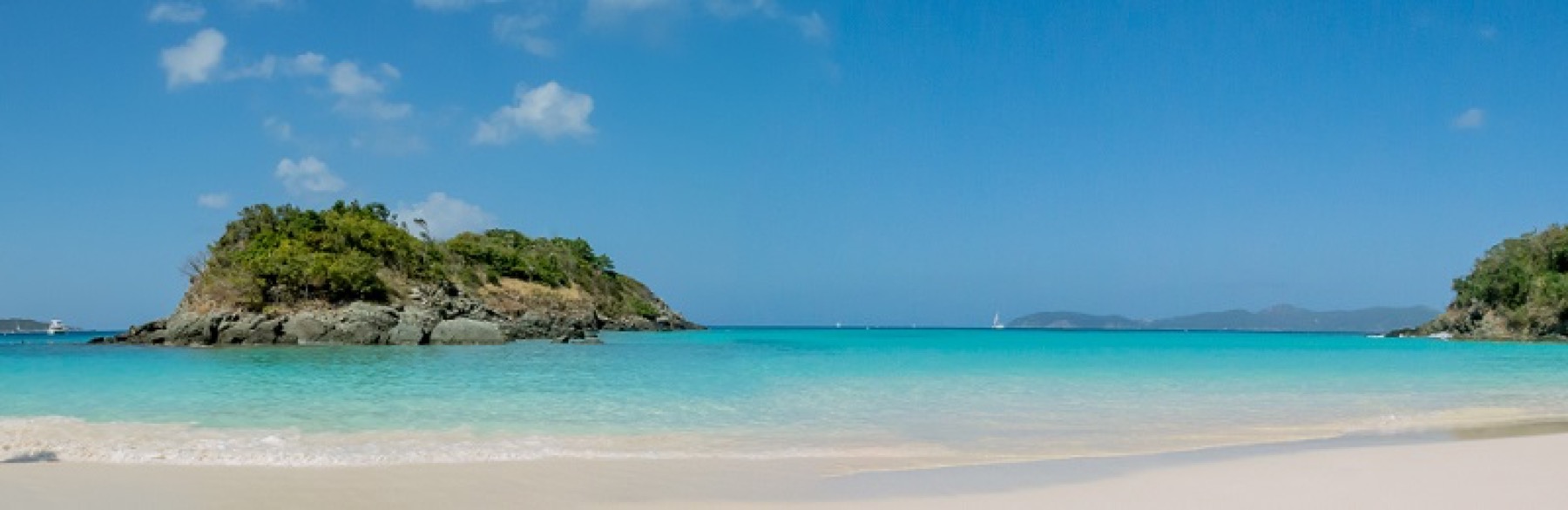
Trunk Bay Underwater Snorkel Trail
A marked 225-yard reef trail with signs, plus one of the most photographed beaches in the Caribbean.
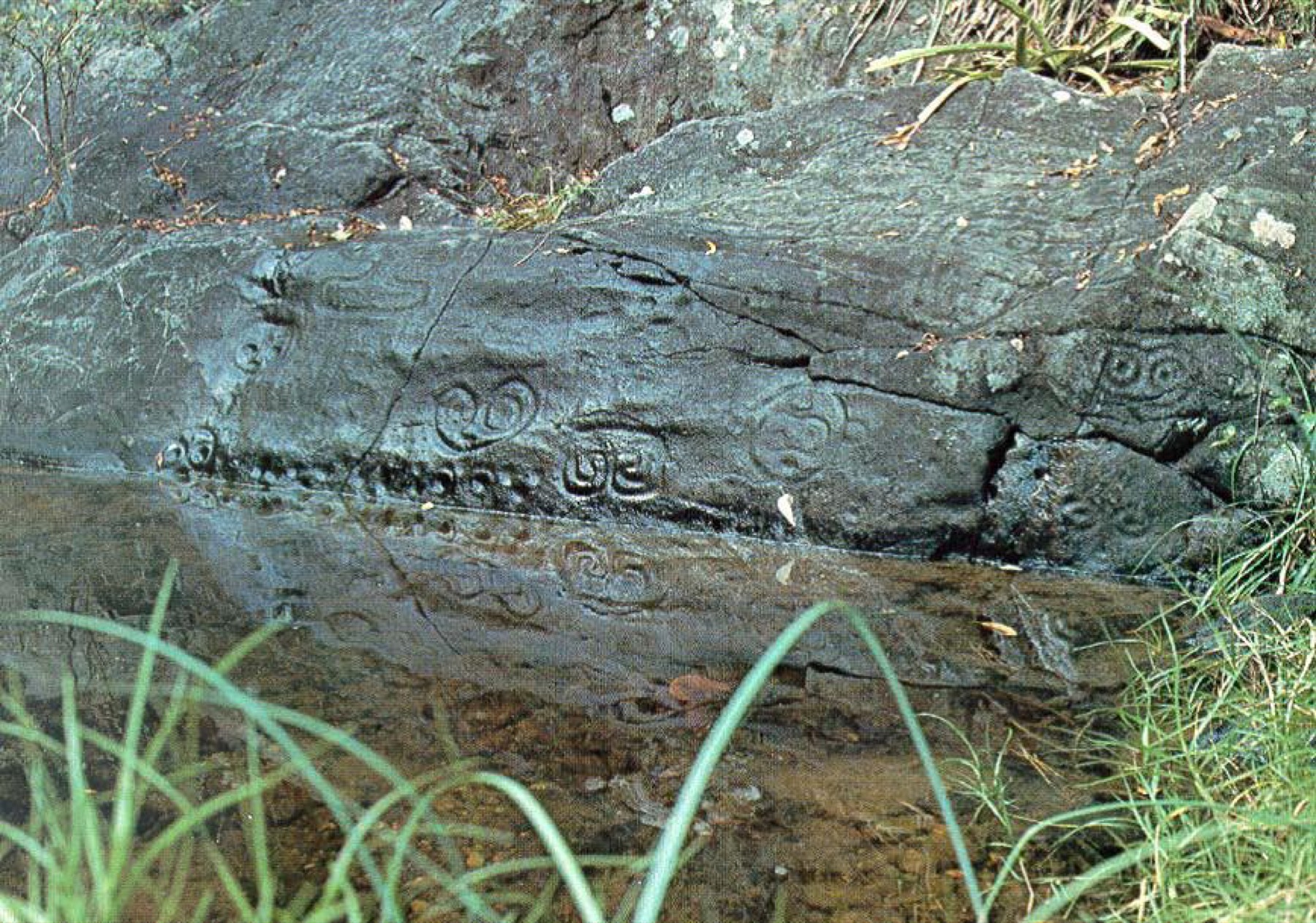
Reef Bay Trail
A downhill rainforest hike past sugar-mill ruins to Taino petroglyphs and a freshwater pool.
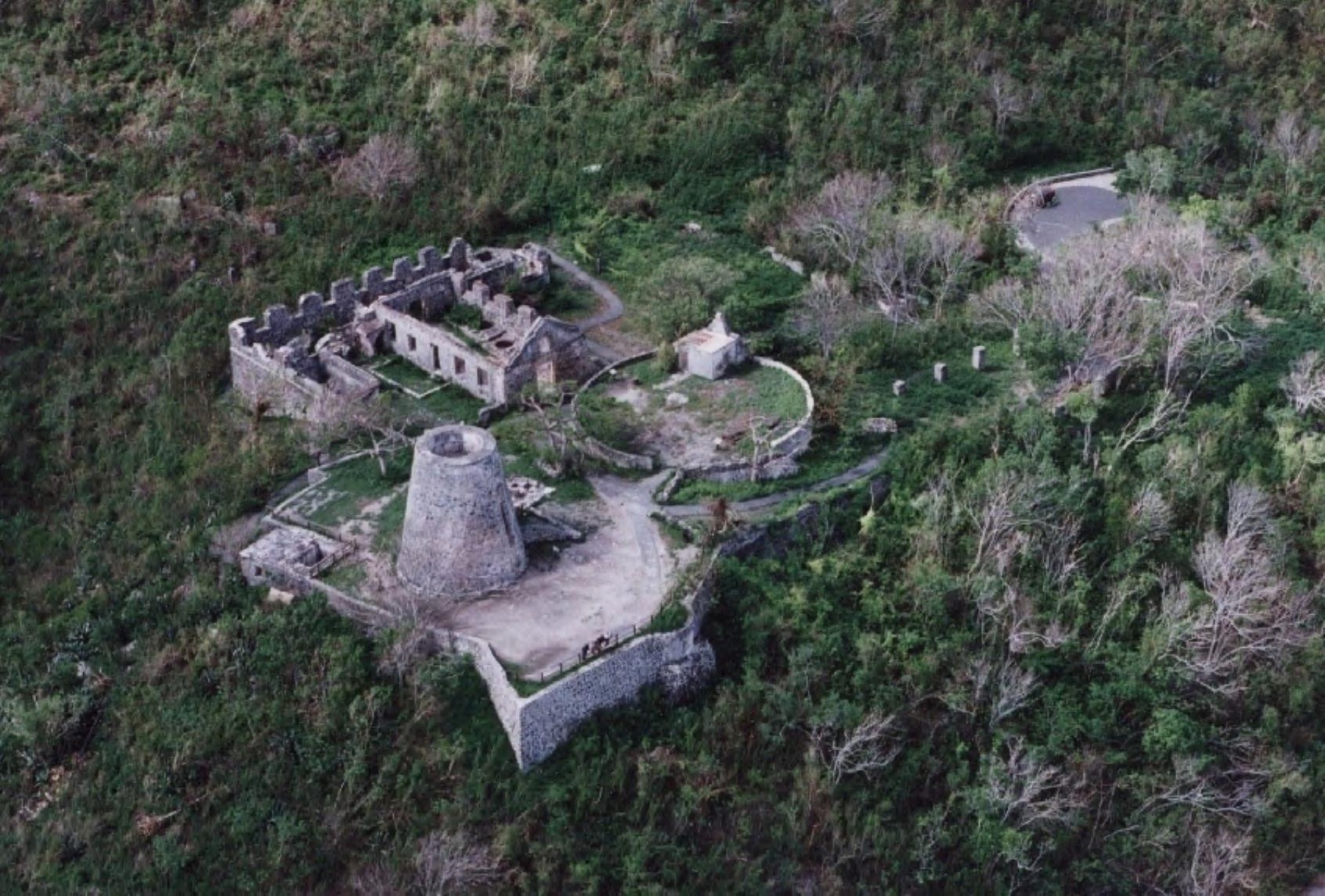
Annaberg Sugar Plantation
An easy self-guided loop through 18th-century mill ruins that tell the island's plantation and slavery history.
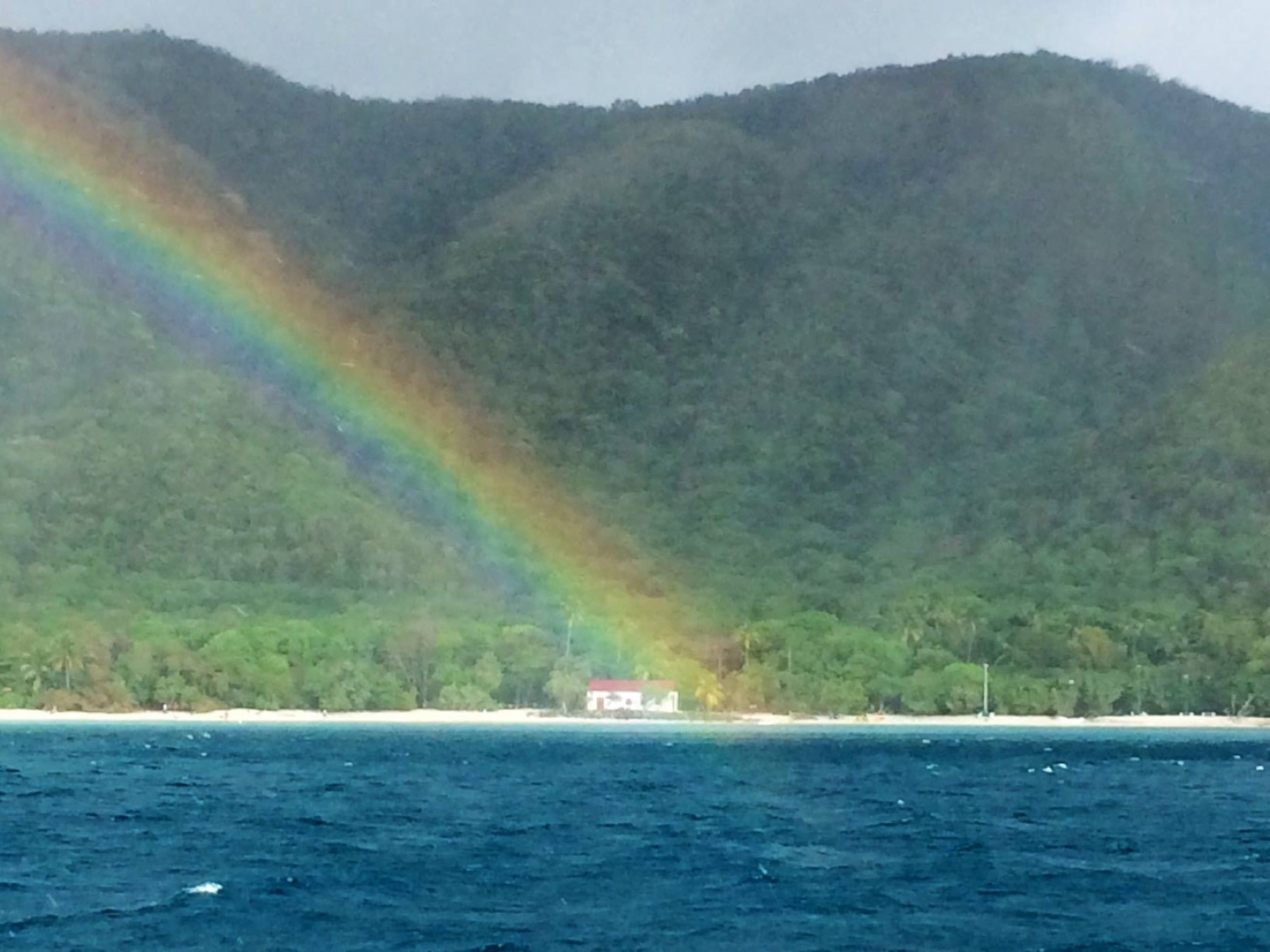
Cinnamon Bay
A long, calm swimming and snorkeling beach with a short interpretive ruins trail nearby.
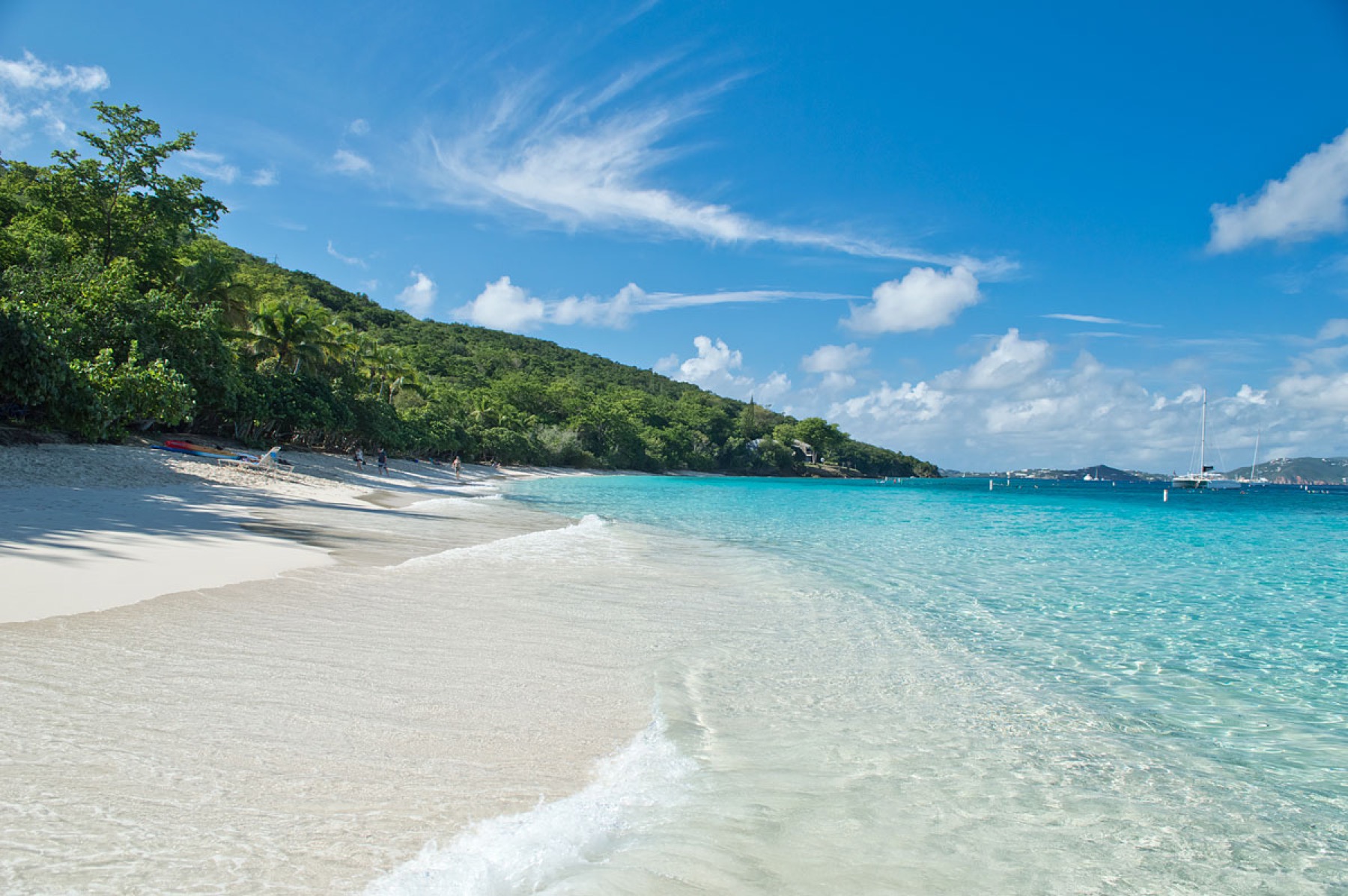
Lind Point Trail to Honeymoon Beach
A breezy ridge walk from the Cruz Bay visitor center down to a quiet snorkel cove.
Make Trunk Bay Underwater Snorkel Trail the timed anchor
Put the timed or highest-demand stop first, then keep the rest of the day close and low-friction. For one day in Virgin Islands, time Trunk Bay Underwater Snorkel Trail first, then keep Reef Bay Trail and Annaberg Sugar Plantation close enough that the visit still feels relaxed.
- 1Start with Trunk Bay Underwater Snorkel Trail: A marked 225-yard reef trail with signs, plus one of the most photographed beaches in the Caribbean.
- 2Add Reef Bay Trail: A downhill rainforest hike past sugar-mill ruins to Taino petroglyphs and a freshwater pool.
- 3Use Annaberg Sugar Plantation as the slower finish before leaving the area.
Where to stay
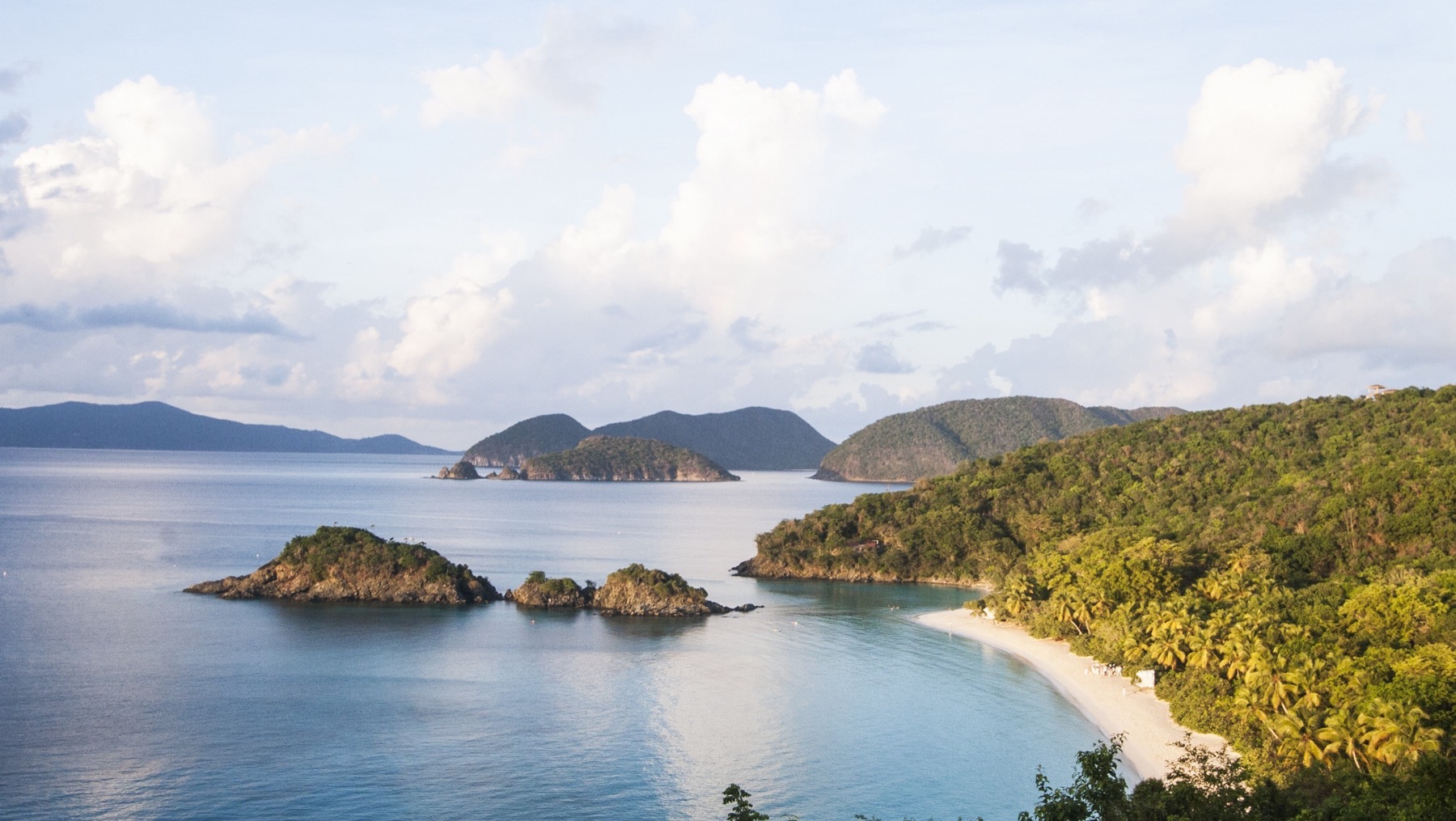
Stay strategy
Make the access plan before the lodging plan.
Stay strategy
Stay on St. John if the park is the trip, day-trip from St. Thomas if lodging cost wins.
Virgin Islands is a ferry and island-base decision. Cruz Bay gives the easiest St. John logistics, taxis, rentals, food, and access to Lind Point. Quieter St. John villas work when you have a Jeep and want beaches beyond town. St. Thomas day trips are viable, but ferry timing owns the day.
- Airport
- Fly to St. Thomas, then ferry to St. John
- Default town
- Cruz Bay
- Park entry
- Free, with some day-use fees
- Road note
- Drive on the left on St. John
Compare base options
Read these as access plans first. The right base is the one that makes the transfer reliable, then the room or campsite can follow.
Paid links: we may earn a commission if you book, at no extra cost to you.
- Best for
- First visits, ferry access, restaurants, taxis, and Lind Point Trail
- Tradeoff
- Higher rates and less solitude than farther-flung villas.
Planning detail
Choose Cruz Bay when you want the park without adding daily ferry stress. It is the simplest base for Trunk Bay, Lind Point, and guided or taxi-supported beach days.
Quieter island base
St. John villas and eco stays
- Best for
- Longer stays, quiet evenings, and beach-hopping with a rental Jeep
- Tradeoff
- You handle steeper roads, parking, and fewer walkable services.
Planning detail
Use this approach when the island itself is the vacation, not just a park checklist. Confirm road access, parking, and current beach or campground status before booking.
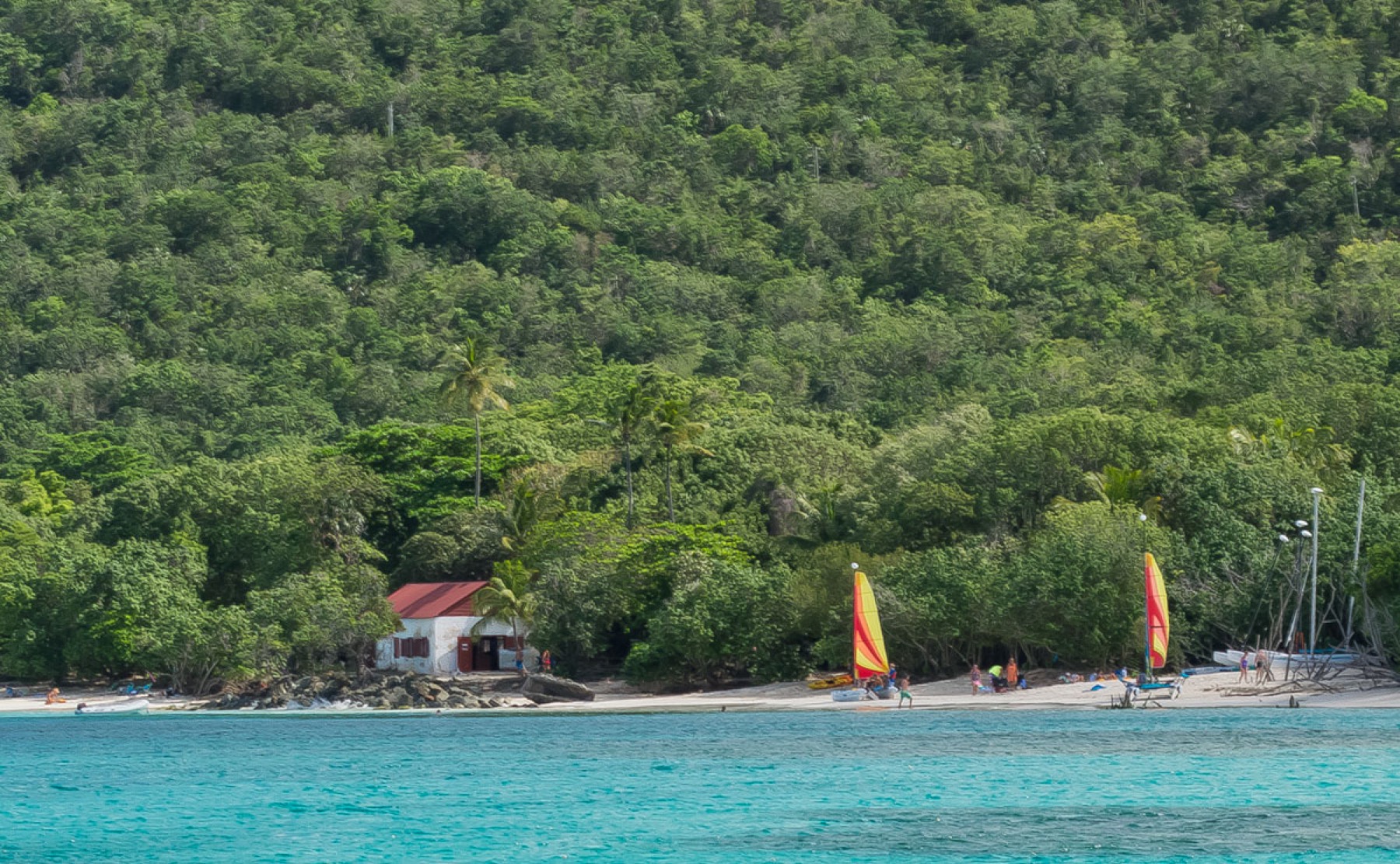
- Best for
- Flight convenience, broader lodging choice, and one focused St. John day
- Tradeoff
- Taxi and ferry timing cut into beach and trail time.
Planning detail
This works when the park is one day of a larger Virgin Islands trip. Pick one or two targets, such as Trunk Bay and Annaberg, instead of trying to cross the island repeatedly.
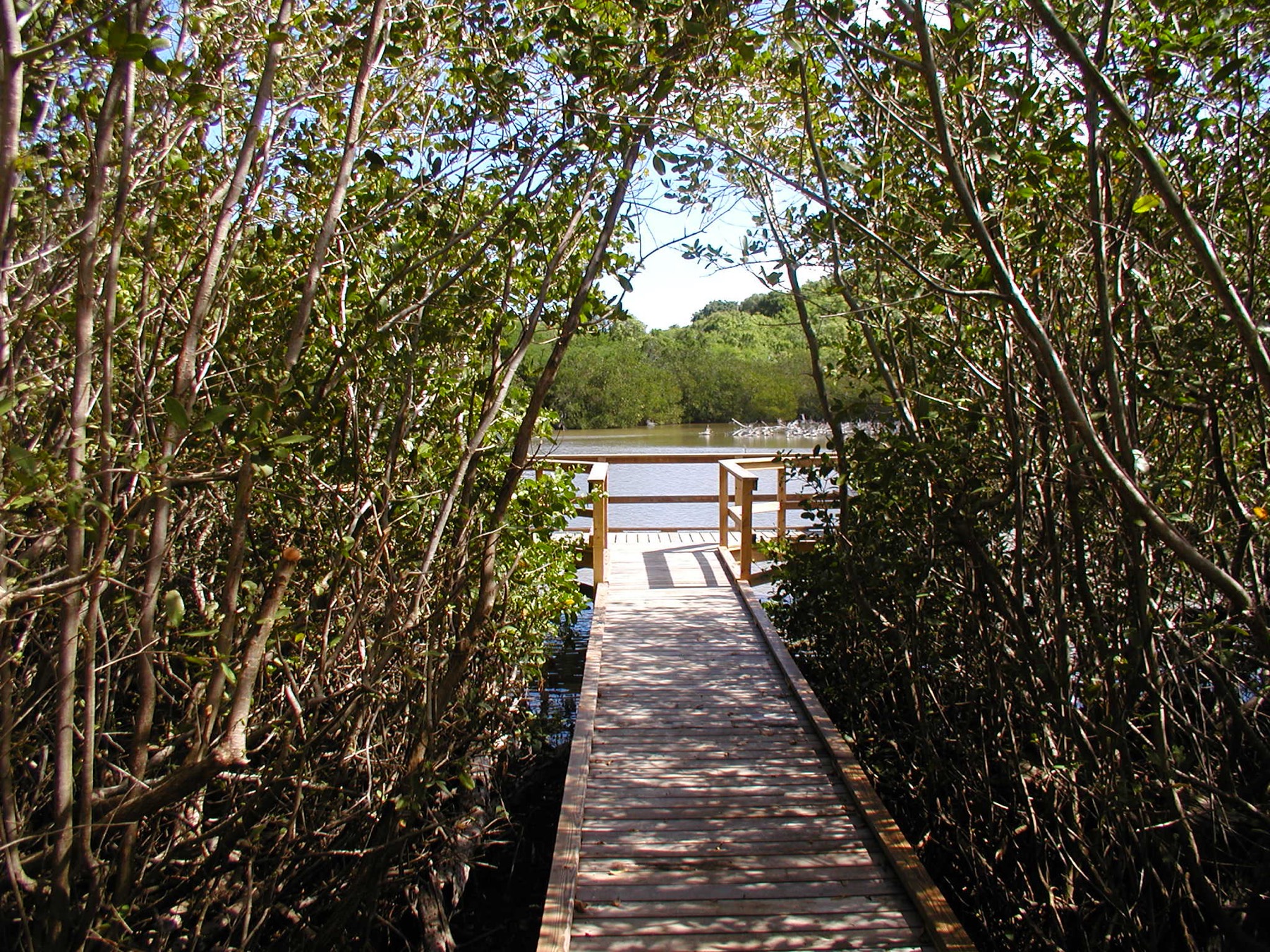
- Best for
- Boaters and paddlers who want the park from the water
- Tradeoff
- Permits, moorings, weather, and reef-safe practices set the rules.
Planning detail
Use the water-based option only when the boat logistics are the plan. Check current permit requirements and protect coral with reef-safe sunscreen and careful anchoring choices.
Ferry math
A St. Thomas day trip should be planned around the return ferry before you add trail mileage.
Dry season
December through April is the smoothest weather window and the most expensive lodging window.
Camping reservations
Camping reservations
Cinnamon Bay is the only camping in the park; book directly with the concessioner.
Cinnamon Bay Beach & Campground on St. John's north shore is the park's one and only campground, rebuilt after the 2017 hurricanes and reopened in January 2022 under concessioner CinnOpCo. It books through the operator's own website, not Recreation.gov, so that is where your planning starts and ends.
Reviewed June 11, 2026
Booking window
Reservations run through the operator's booking site at cinnamonbayvi.com; there is no Recreation.gov inventory. The campground posts seasonal opening and reopening dates, so confirm current availability before booking flights.
- This is a concessioner operation, so rates, availability, and policies live on cinnamonbayvi.com; the NPS page only points you there.
- You can book bare tent sites, furnished eco-tents, or cottages; the eco-tents and cottages behave like hotel rooms and sell out far ahead of the December to April high season.
- The operator's site posts reopening notices, a sign the campground closes for parts of the year; verify open dates for your travel window before committing.
- Camping anywhere else in the park, including beaches, is not permitted.
Where to book or verify
The official NPS page confirming Cinnamon Bay as the park's only camping and linking the operator.
The concessioner's site; all reservations and current open dates are here.
Bare sites, eco-tents, and cottages compared side by side.
Check for federal campground, backcountry, tour, and permit inventory tied to this park.
Use this for wilderness permits, timed systems, tours, and other park-specific reservations.
Campgrounds to know
Cinnamon Bay Beach & Campground
Details- Booking
- Book on cinnamonbayvi.com; confirm current open dates first.
- Season
- Seasonal; the operator posts opening and reopening dates.
- Sites
- Bare tent sites, furnished eco-tents, and cottages steps from the island's longest beach.
- Beachfront camping inside the national park with an on-site restaurant, store, and watersport rentals; the snorkeling off Cinnamon Bay is the everyday amenity.
Getting there and practical info
Make the transfer plan before the trail plan.
Weather windows, boat schedules, flight buffers, and backup days shape what is realistic.
Getting there
Get to Virgin Islands by solving the transfer first.
- Nearest airport
- Cyril E. King Airport (STT) on St. Thomas, about a 45-minute taxi plus a 20-minute ferry to St. John (no airport on St. John itself)
- Access rhythm
- Transfer time matters
Fly in
There is no airport on St. John.
Fly in
Fly into Cyril E.
Transfer plan
King Airport (STT) on neighboring St. Thomas, then take a taxi (about 45 minutes) to the ferry docks at Red Hook or Charlotte Amalie.
Book ahead
- Rental cars at Cyril E. King Airport (STT)Paid link, Economybookings
- Guided tours in Virgin IslandsPaid link, Viator
Paid links: we may earn a commission if you book, at no extra cost to you.
Pair this with lodging: the best base is the one that protects the departure window, pickup point, or weather buffer.
Plan your trip
Build one complete pack brief from Virgin Islands's season, activity, and trip length. Fine-tune an individual calculation only if you need it.
Fine-tune water, pack size, warmth, or stove fuel
Build around access
Plan the transfer before the trail list.
Plan your trip
2 quick tools, already seeded for Virgin Islands. Tune the route, pack weight, weather margin, and overnight setup after the access plan is real.
What to pack
Start with the gear decisions Virgin Islands changes: water, footing, weather, and overnight needs. The checklist is there once your route and dates are set.
Kit Authority
Virgin Islands packing list
0 of 15 packed. Check items as you pack, then take this list to the store, trailhead, or campsite.
Pack planning
Decide what Virgin Islands asks of your kit before you start checking boxes.
Use this as a constraint check while you are still shaping the trip. The active checklist becomes useful once your route, dates, and sleep plan are set.
- First constraintHydration and exposureWater, Electrolyte mix, hat, sunscreen, sunglasses, 4 more
- Route realityFooting and tractionHiking boots, Hiking socks, Trekking poles
- Load choicePack and carry systemDaypack
- Season checkLayers for conditionsMoisture-wicking base layers, Rain jacket, Bug protection
Checklist mode
15 items, grouped for the trip you are actually taking.
- Dates and season are set.
- Primary route, campground, or lodge is chosen.
- Water, footwear, and overnight needs are sized.
One researched pick
The first gear decision for Virgin Islands
A properly fitted paddling PFD is the first purchase to settle before the boat, dry bag, or accessories.
We may earn a commission from links on this page, at no extra cost to you. Product prices and availability are accurate as of the date/time indicated and are subject to change. Any price and availability information displayed on Amazon at the time of purchase will apply to the purchase of this product.
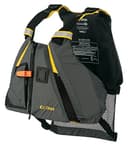
THE PADDLING PICK
Onyx MoveVent Dynamic
Best Overall
Kit Score 8.2/10
$66.32 Price checked Oct 23, 6:22 AM CDT
Best for: Kayakers and paddleboarders who want the vest they will actually keep on, at a family-friendly price.
- Mesh lower back works with kayak seats and SUP kneeling instead of riding up
- Sizing runs athletic; broad-chested paddlers should size up
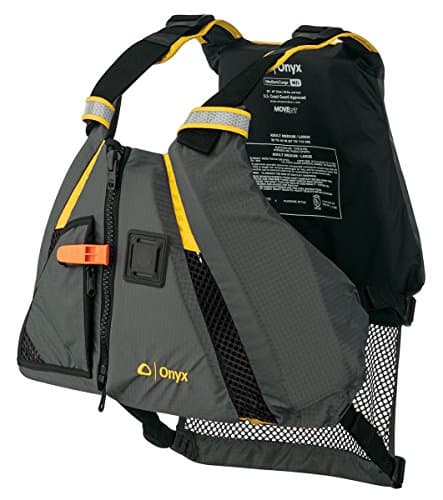
- Approval
- USCG Type III
- Back
- Mesh lower back, sits above kayak seats
- Ventilation
- Vented chest and shoulder channels
- Pockets
- Zippered front pocket, lash tab
- Sizing
- XS/S through XL/2XL, women's cut available
About this pick
The MoveVent Dynamic is the vest that solved the real PFD problem: people own one and leave it in the car. The mesh lower back sits above a kayak or SUP seat, the arm cuts clear a full paddle stroke, and the venting keeps it tolerable in July. A life jacket only works if you wear it, and this is the one people wear.
Strengths
- Mesh lower back works with kayak seats and SUP kneeling instead of riding up
- Ventilated panels keep it wearable through a hot afternoon
- USCG Type III approval at a price that outfits a whole family without pain
Weaknesses
- Sizing runs athletic; broad-chested paddlers should size up
- Single front pocket is tight for a large phone in a pouch
Kit Score breakdown
Gear for Virgin Islands
The buying guides that match what Virgin Islands asks of your kit. Each one has our current top picks across budget and use case.
Can you photograph here? Permit and drone rules
Virgin Islands National Park follows the eight-or-fewer exemption; permitted shoots pay a $50 application fee with about ten business days of processing.
- Permit
- Usually fine for personal shoots; commercial or large productions can need a permit
- Drones
- Effectively banned: launching, landing, or operating a drone within park boundaries is prohibited
- Land
- Yes for personal and editorial photography throughout the park
From our photography sister site, Aperture Authority. Verified 2026-07-01.
Frequently asked questions
Is there an entrance fee for Virgin Islands National Park?
The park itself is free to enter. There is a small day-use fee at Trunk Bay (about $5 per adult) and at the Annaberg Sugar Plantation, and overnight or boating permits cost extra. You do not need a timed-entry reservation to visit.
How do I get to Virgin Islands National Park?
Fly into Cyril E. King Airport on St. Thomas, since St. John has no airport. From there it is a taxi ride to a ferry dock and a short passenger ferry (about 20 minutes from Red Hook) to Cruz Bay on St. John. The park covers most of the island once you arrive.
When is the best time to visit?
December through April is the dry season, with the calmest seas and least rain, making it ideal for snorkeling and hiking. It is also the busiest and most expensive time. Late summer and fall fall within hurricane season, so weather is less reliable then.
Can you camp in the park?
Camping options are limited. The historic Cinnamon Bay campground has remained closed in recent years following hurricane damage, so confirm current status with the park before planning to camp. Most visitors stay in lodging around Cruz Bay or day-trip from St. Thomas.
Keep planning
Nearby parks
 BiscayneA national park that is 95% water: snorkel coral reefs, paddle mangroves, and reach the islands by boat off Miami.
 Dry TortugasA 70-mile boat or seaplane ride west of Key West to a Civil War fort ringed by coral reefs and turquoise water.
 EvergladesA 1.5-million-acre subtropical wetland where you paddle and walk among alligators, wading birds, and sawgrass.