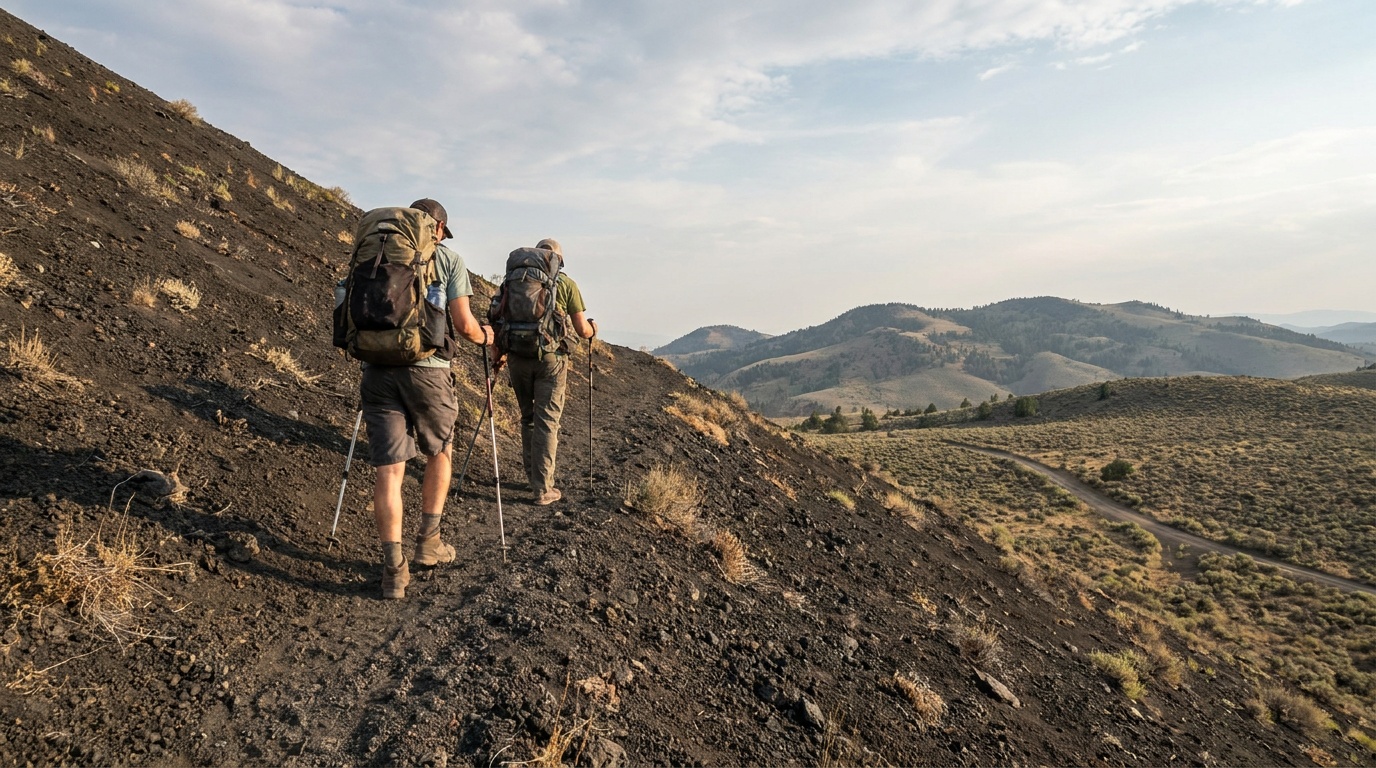
When to go
Weather, crowds, and what the season changes about the trip.
Spring
Cool and changeable, with the Loop Road usually opening as snow clears.
Pack Wind layer, sun protection, and a headlamp for the lava-tube caves.
Summer
Hot and exposed, with black lava that radiates heat and little shade.
Pack Maximum water, sun shirt, sturdy shoes for sharp rock, and a cave permit.
Fall
Cooling days, cold nights, and quieter trails with strong light.
Pack Warm layer, headlamp, and water even on cool days.
Winter
Snowy and quiet, with the Loop Road closed to cars and open for skiing and snowshoeing.
Pack Insulation, traction or skis, and a plan for a road closed to vehicles.
Top things to do
Caves Area and Indian Tunnel
A short trail to a cluster of lava-tube caves. Indian Tunnel is the largest and most accessible, with skylights and a scramble exit. A free cave permit is required.
Inferno Cone
A short, steep climb up a black cinder cone to a summit view over the whole lava field and the Pioneer Mountains.
North Crater Flow and Spatter Cones
Easy walks among fresh-looking lava, tree molds, and small volcanic vents right off the Loop Road.
Anchor the day around Caves Area and Indian Tunnel
Put permit timing ahead of ambition, then build the route around what is actually approved. For one day in Craters of the Moon National Monument and Preserve, make Caves Area and Indian Tunnel the non-negotiable, add Inferno Cone only if the first stop runs clean, and keep North Crater Flow and Spatter Cones as the flexible finish.
- 1Start with Caves Area and Indian Tunnel: A short trail to a cluster of lava-tube caves. Indian Tunnel is the largest and most accessible, with skylights and a scramble exit. A free cave permit is required.
- 2Add Inferno Cone: A short, steep climb up a black cinder cone to a summit view over the whole lava field and the Pioneer Mountains.
- 3Use North Crater Flow and Spatter Cones as the optional finish, not as a reason to rush the whole day.
Where to stay
Lava Flow Campground is the only camping inside the monument, on a black lava field near the visitor center, and it is first come, first served. There is no lodging inside the monument. The closest towns are Arco to the east and Carey to the west, both small, with more lodging and food in Idaho Falls about 90 minutes away. Many visitors fold Craters into a longer route between Boise, Sun Valley, and Yellowstone.
Camping reservations
Camping reservations
Lava Flow Campground is first come, first served, and the cave permit is free but in-person.
There are no campsite reservations at Craters. The campground fills on a first-come basis, and the only mandatory paperwork is a free cave permit you pick up at the visitor center.
Reviewed June 11, 2026
Booking window
No reservations. Lava Flow Campground is first come, first served and typically open May through October. Cave permits are free and issued in person at the visitor center.
- Lava Flow Campground does not take reservations, so arrive earlier on summer weekends.
- A free cave permit is required to enter any lava-tube cave and must be obtained in person at the visitor center.
- Bring all your water; the campground sits on exposed lava with little shade.
Where to book or verify
Official NPS page with season, fees, and amenities.
Official page explaining the free cave permit required to protect bats.
Check for federal campground, backcountry, tour, and permit inventory tied to this park.
Campgrounds to know
Lava Flow Campground
Details- Season
- Typically open May through October, weather dependent.
- Sites
- About 42 tent and small-RV sites among the lava, with no hookups.
- The only camping inside the monument. Exposed and shadeless, so bring water and sun protection.
Getting there and practical info
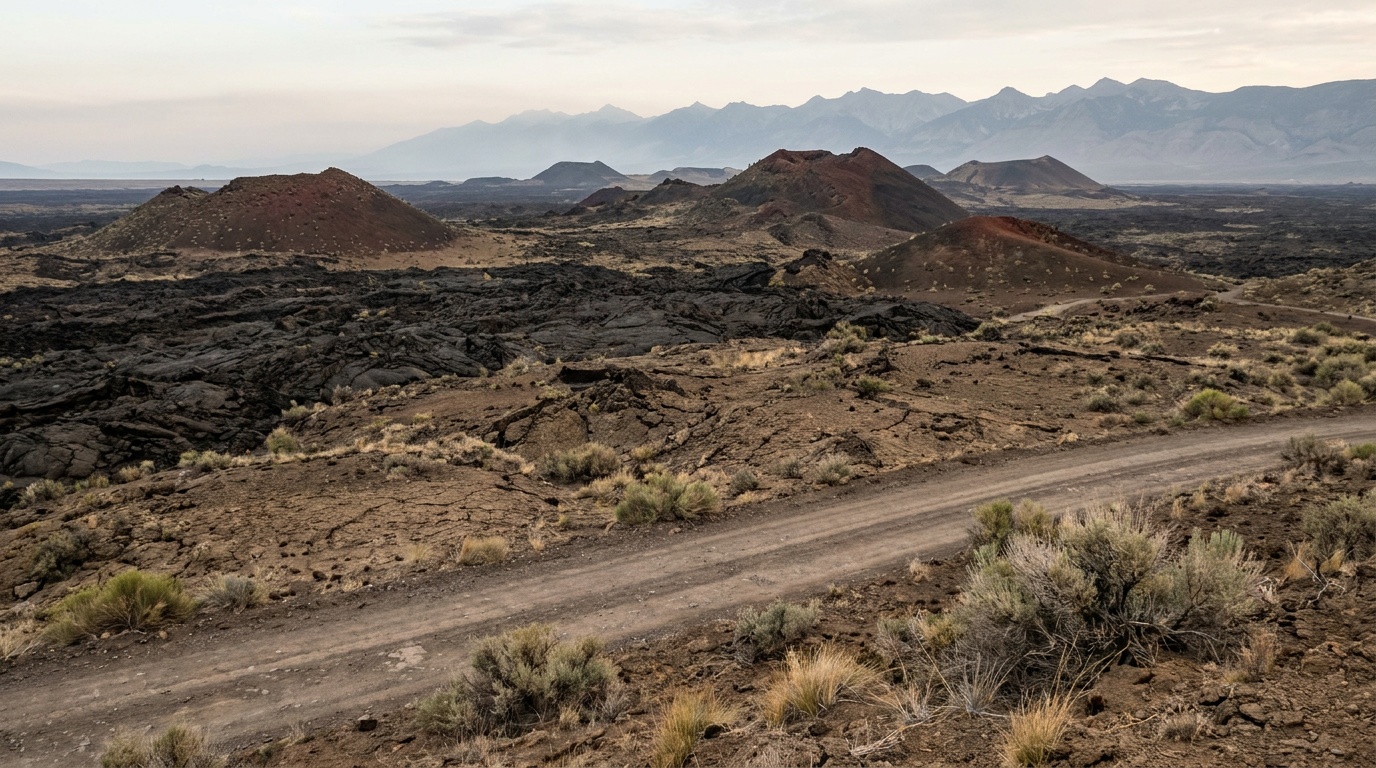
Plan the handoff from arrival to shuttle.
Parking, pedestrian entrances, and shuttle timing decide how calmly the first morning starts.
Getting there
Get to Craters of the Moon National Monument and Preserve, then remove the first-morning friction.
- Nearest airport
- Idaho Falls (IDA) about 1.5 hours; Boise (BOI) about 3 hours
- Access rhythm
- Plan the last mile
- Region
- Idaho
Car strategy
Craters of the Moon sits on US 20/26/93 in central Idaho, between Arco and Carey.
Car strategy
Most visitors drive from Idaho Falls, about 90 minutes east, or work it into a route between Sun Valley and Yellowstone.
Shuttle access
The visitor center and Loop Road are right off the highway, so it is an easy stop, but check that the Loop Road is open and snow-free if you are visiting in the shoulder seasons.
Book ahead
- Rental cars at Idaho Falls (IDA)Paid link, Economybookings
- Guided tours in Craters of the Moon National Monument and PreservePaid link, Viator
Paid links: we may earn a commission if you book, at no extra cost to you.
Pair this with lodging: sleep where the park transfer is simple, especially if your route needs an early start.
Plan your trip
Turn Craters of the Moon's conditions into water, pack, and sleep-system decisions.
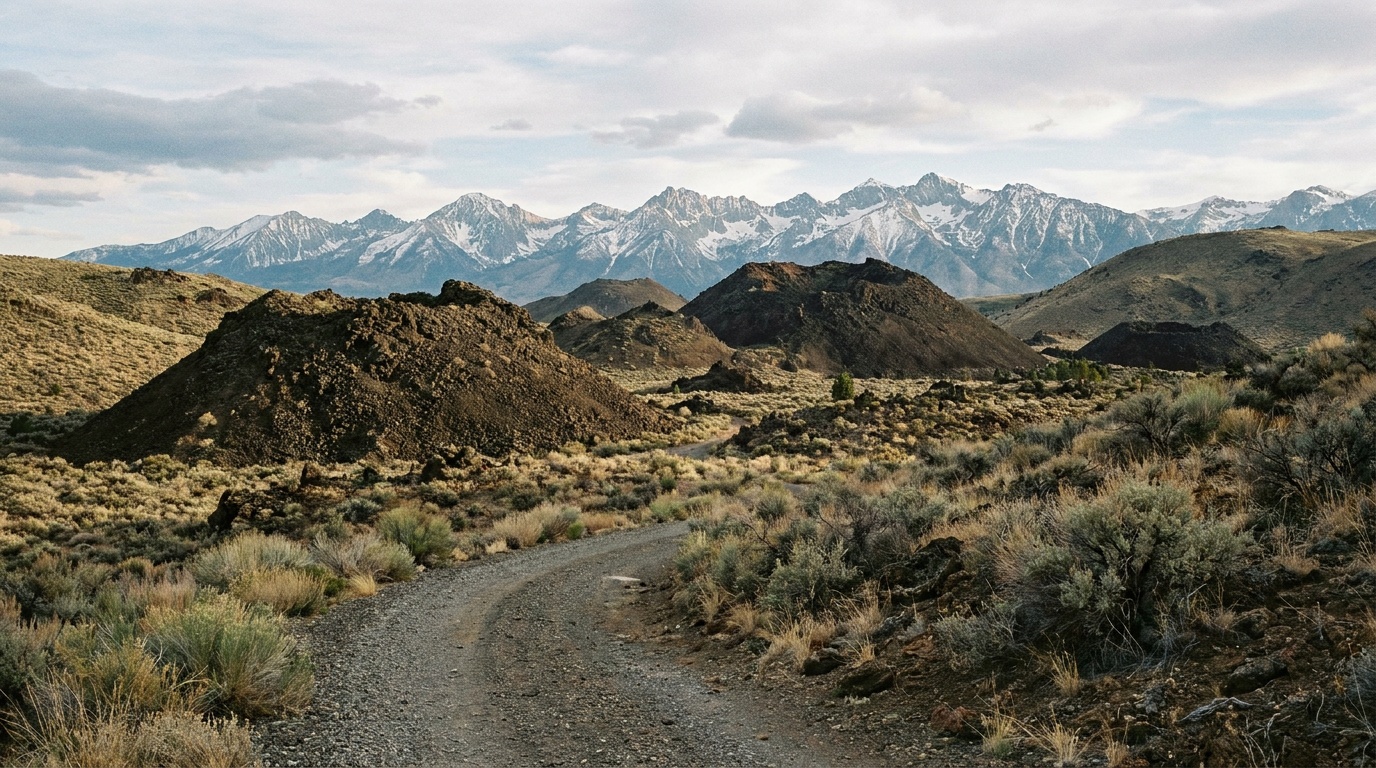
Build around conditions
Let season, elevation, and weather set the plan.
Plan your trip
4 quick tools, already seeded for Craters of the Moon National Monument and Preserve. Tune the numbers around temperature swings, footing, layers, and how much margin the route needs.
What to pack
Start with the gear decisions this park changes: footing, weather, camping, and water.
Kit Authority
Craters of the Moon National Monument and Preserve packing list
0 of 22 packed. Check items as you pack, then take this list to the store, trailhead, or campsite.
Pack planning
Decide what Craters of the Moon National Monument and Preserve asks of your kit before you start checking boxes.
Use this as a constraint check while you are still shaping the trip. The active checklist becomes useful once your route, dates, and sleep plan are set.
- First constraintHydration and exposureWater, Electrolyte mix, hat, sunscreen, sunglasses, 4 more
- Route realityFooting and tractionHiking boots, Hiking socks, Trekking poles
- Load choicePack and carry systemDaypack
- If overnightSleep and shelterTent, Sleeping bag, Sleeping pad
Checklist mode
22 items, grouped for the trip you are actually taking.
- Dates and season are set.
- Primary route, campground, or lodge is chosen.
- Water, footwear, and overnight needs are sized.
One researched pick
The first gear decision for Craters of the Moon National Monument and Preserve
A stable daypack is the one purchase that organizes water, layers, food, first aid, and the small safety margin.
We may earn a commission from links on this page, at no extra cost to you. Product prices and availability are accurate as of the date/time indicated and are subject to change. Any price and availability information displayed on Amazon at the time of purchase will apply to the purchase of this product.
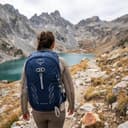
THE DAY-HIKE PICK
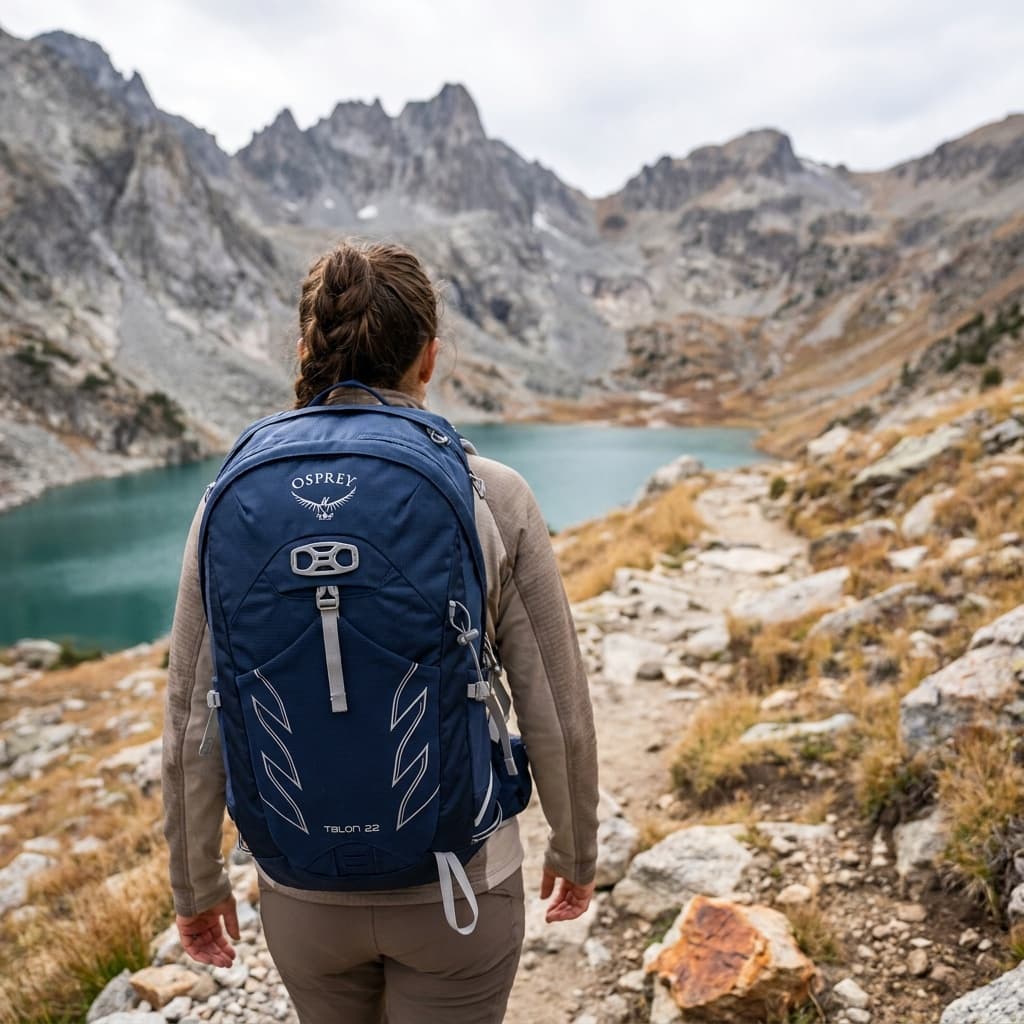
Osprey Talon 22
Best Overall
Kit Score 8.6/10
$169.95 Price checked Oct 26, 7:39 AM CDT
Best for: Hikers who want a proven all-around daypack with solid load support, plenty of adjustment, and a warranty they can actually use.
- Adjustable torso fit covers a wide range of body sizes
- At 2 lb 1 oz it runs heavier than ultralight rivals for the same volume
- Volume
- 22 L
- Weight
- 2 lb 1 oz (945 g)
- Back Panel
- AirScape foam with ventilation channels
- Hipbelt Pockets
- 2 zippered
- Hydration
- Compatible up to 3 L reservoir (sold separately)
- Warranty
- All Mighty Guarantee (lifetime repair or replace)
About this pick
The Talon 22 is the daypack you see on the trail more than any other for good reason: it packs in a padded hipbelt, adjustable torso harness, and dual hipbelt pockets into a 22-liter package that handles loads up to 20 lb without complaint. Owners across hundreds of Amazon ratings consistently cite its adjustability and durability as standouts.
Strengths
- Adjustable torso fit covers a wide range of body sizes
- Padded hipbelt and dual hipbelt pockets at this size are rare
- Osprey lifetime warranty backs years of hard use
Weaknesses
- At 2 lb 1 oz it runs heavier than ultralight rivals for the same volume
- AirScape back panel ventilation is functional but not class-leading compared to suspended-mesh designs
Kit Score breakdown
Gear for Craters of the Moon
The buying guides that match what Craters of the Moon asks of your kit, with our current top picks across budget and use case.
Can you photograph here? Permit and drone rules
Idaho issues no statewide permits and most cities require none; the real rule is the Idaho state parks filming permit with its 100 dollar application fee.
- Permit
- Usually fine for personal shoots; commercial or large productions can need a permit
- Drones
- Commercial drone work requires FAA Part 107
- Land
- Yes: you can photograph what is visible from public space in the US
From our photography sister site, Aperture Authority. Verified 2026-07-01.
Frequently asked questions
Do you need a permit to enter the caves at Craters of the Moon?
Yes. A free cave permit is required to enter any lava-tube cave, and you must pick it up in person at the visitor center. The permit is part of an effort to slow white-nose syndrome, a disease affecting bats.
How much is the entrance fee at Craters of the Moon?
The entrance fee is $20 per private vehicle, valid for 7 days. Motorcycles are $15 and individuals on foot or bike are $4, with children 15 and under free.
Can you camp at Craters of the Moon?
Yes. Lava Flow Campground inside the monument is first come, first served with no reservations, typically open May through October. It sits on exposed lava with little shade, so bring plenty of water.
Is the Loop Road open in winter?
No. From about mid-November to mid-April, snow closes the Loop Road to cars, though it stays open for skiing and snowshoeing. Plan for May to October if you want to drive the full loop.