When to go
Weather, crowds, and what the season changes about the trip.
Spring
75-82F
Warm and humid with occasional showers, 75 to 82 F. The lush vegetation is at its greenest and crowds begin building through spring break.
Pack Reservation secured 30 days in advance, water shoes for the rocky beach entry, and a rain jacket for afternoon showers.
Summer
Warmest and driest window for the windward coast, with trade winds keeping temperatures manageable. The busiest season.
Pack Reserve at midnight exactly 30 days out, reef-safe sunscreen, and footwear for lava rock scrambling.
Fall
Still warm with more frequent tropical showers as the trade winds shift. Crowds ease slightly from summer peak.
Pack Rain shell, quick-dry clothing, and water shoes for the coastal trail over wet lava.
Winter
Rainy season on the windward coast brings frequent showers and occasionally heavy surf. The black sand beach and caves remain dramatic in any weather.
Pack Waterproof jacket, grippy shoes for slick lava, and a flexible plan if the coastal trail is wet and exposed.
Top things to do
Honokalani Black Sand Beach (Paʻiloa Beach)
The park's centerpiece: a beach of jet-black basalt sand backed by sea cliffs, with vivid contrast between the dark sand, turquoise water, and dense hala forest. Swimming is possible but watch for shore break and seasonal rip currents.
Lava tube caves
Two freshwater lava tube caves sit a five-minute walk from the parking area, filled with clear water and accessible for a swim in the dark interior. Hawaiian legend holds that the caves are the resting place of Princess Popo'alaea.
Coastal trail (Ke Ala Loa O Maui) and blowhole
A 3-mile round-trip lava coastal path follows part of the ancient Piilani King's Highway built in the 15th century, passing a sea arch, blowhole, and dramatic cliffside views north toward Hana Bay.
Tent camping and cabins inside the park
The park holds 12 state cabins and tent camping areas, making it the only place to sleep directly at the Road to Hana destination. Bookings open 30 days out through explore.ehawaii.gov.
Anchor the day around Honokalani Black Sand Beach (Paʻiloa Beach)
Put the access rule first: shuttle, parking, timed-entry, or reservation windows should decide the order of the day. For one day in Waiʻānapanapa State Park, make Honokalani Black Sand Beach (Paʻiloa Beach) the non-negotiable, add Lava tube caves only if the first stop runs clean, and keep Coastal trail (Ke Ala Loa O Maui) and blowhole as the flexible finish.
- 1Start with Honokalani Black Sand Beach (Paʻiloa Beach): The park's centerpiece: a beach of jet-black basalt sand backed by sea cliffs, with vivid contrast between the dark sand, turquoise water, and dense hala forest..
- 2Add Lava tube caves: Two freshwater lava tube caves sit a five-minute walk from the parking area, filled with clear water and accessible for a swim in the dark interior. Hawaiian legend.
- 3Use Coastal trail (Ke Ala Loa O Maui) and blowhole as the optional finish, not as a reason to rush the whole day.
Plan your trip
Turn Waiʻānapanapa's conditions into water, pack, and sleep-system decisions.
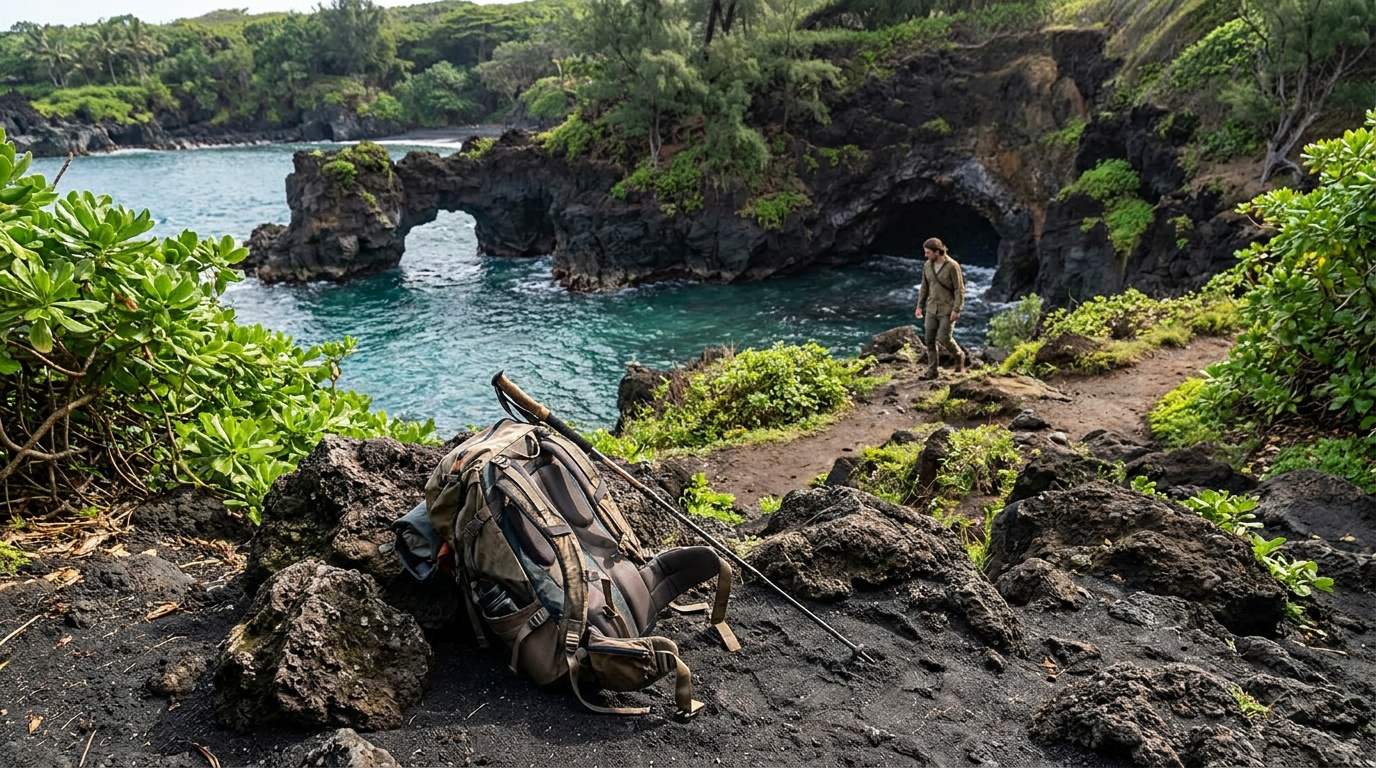
Build around exposure
Start with Waiʻānapanapa State Park's sun, water, and route demands.
Plan your trip
4 quick tools, already seeded for Waiʻānapanapa State Park. Tune water, pack weight, route time, and overnight warmth before the day gets locked in.
What to pack
Start with the gear decisions this park changes: footing, weather, camping, and water.
Kit Authority
Waiʻānapanapa State Park packing list
0 of 20 packed. Check items as you pack, then take this list to the store, trailhead, or campsite.
Pack planning
Decide what Waiʻānapanapa State Park asks of your kit before you start checking boxes.
Use this as a constraint check while you are still shaping the trip. The active checklist becomes useful once your route, dates, and sleep plan are set.
- First constraintHydration and exposureWater, hat, sunscreen, sunglasses, Navigationmap, downloaded GPS, or a GPS watch, 3 more
- Route realityFooting and tractionHiking boots, Hiking socks, Trekking poles
- Load choicePack and carry systemDaypack
- If overnightSleep and shelterTent, Sleeping bag, Sleeping pad
Checklist mode
20 items, grouped for the trip you are actually taking.
- Dates and season are set.
- Primary route, campground, or lodge is chosen.
- Water, footwear, and overnight needs are sized.
One researched pick
The first gear decision for Waiʻānapanapa
A stable daypack is the one purchase that organizes water, layers, food, first aid, and the small safety margin.
We may earn a commission from links on this page, at no extra cost to you.
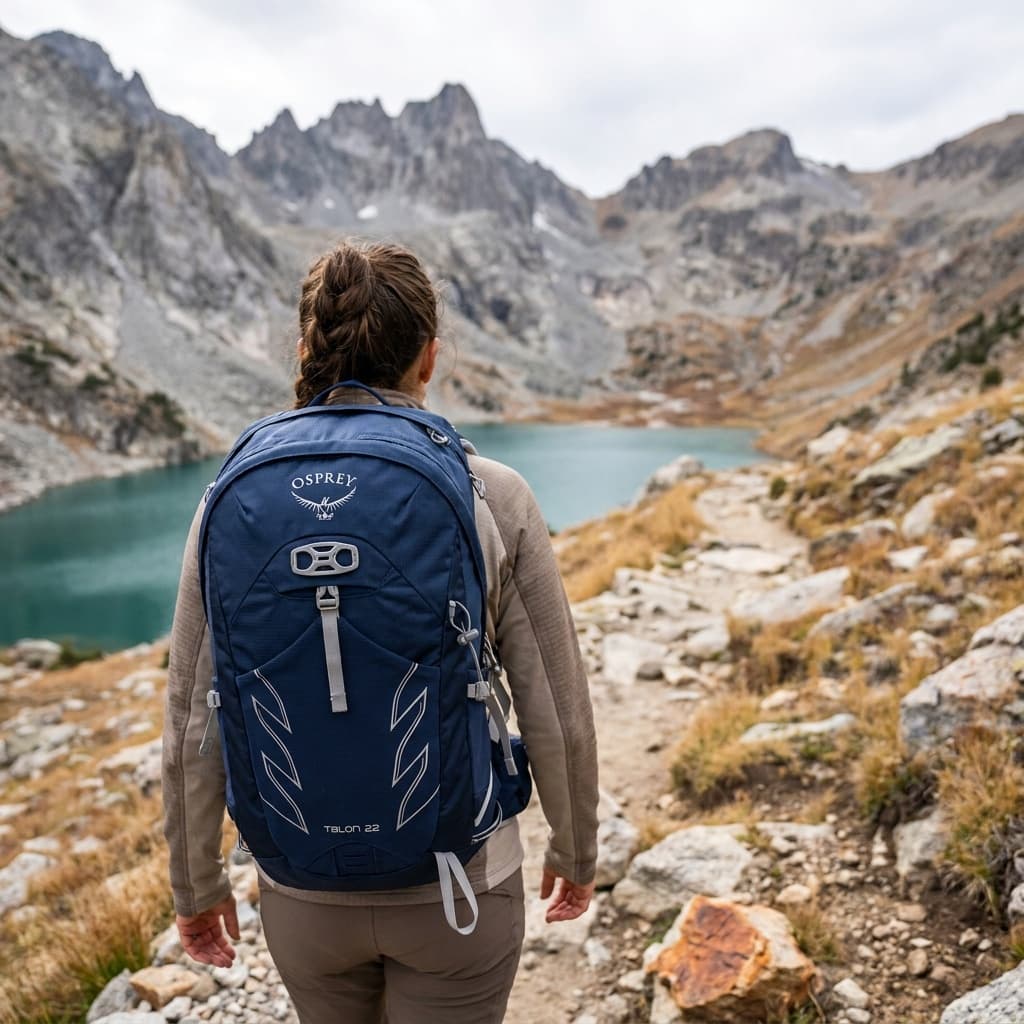
THE DAY-HIKE PICK
Osprey Talon 22
- Volume
- 22 L
- Weight
- 2 lb 1 oz (945 g)
- Back Panel
- AirScape foam with ventilation channels
- Hipbelt Pockets
- 2 zippered
- Hydration
- Compatible up to 3 L reservoir (sold separately)
- Warranty
- All Mighty Guarantee (lifetime repair or replace)
The Talon 22 is the daypack you see on the trail more than any other for good reason: it packs in a padded hipbelt, adjustable torso harness, and dual hipbelt pockets into a 22-liter package that handles loads up to 20 lb without complaint. Owners across hundreds of Amazon ratings consistently cite its adjustability and durability as standouts.
- Adjustable torso fit covers a wide range of body sizes
- Padded hipbelt and dual hipbelt pockets at this size are rare
- At 2 lb 1 oz it runs heavier than ultralight rivals for the same volume
Best for
Hikers who want a proven all-around daypack with solid load support, plenty of adjustment, and a warranty they can actually use.
Gear for Waiʻānapanapa
The buying guides that match what Waiʻānapanapa asks of your kit, with our current top picks across budget and use case.
Where to stay
Tent camping and 12 cabins are available inside the park, reserved through explore.ehawaii.gov. The town of Hana, three miles east, has the Travassa Hana resort and limited rental options. Camping in the park is the highest-value overnight on this side of Maui.
Camping reservations
Camping reservations
12 cabins and tent camping inside the park; reserve at explore.ehawaii.gov.
Waiʻānapanapa offers one of the most sought-after camping spots in Hawaii: tent sites and 12 furnished cabins directly on the lava coast. Reservations open 30 days in advance at midnight Hawaii Standard Time, with a two-night minimum stay.
Reviewed June 11, 2026
Booking window
Reservations open 30 days in advance at midnight HST through explore.ehawaii.gov. Two-night minimum applies.
- Non-residents must prepay a $5 per-person entry fee plus $10 per vehicle before arriving; Hawaii residents with valid ID enter free.
- Camping and cabin reservations open 30 days in advance at midnight Hawaii Standard Time; slots release daily and sell out quickly.
- All visitors, including cabin and camping guests, must have a reservation through the state system; walk-ins are not accepted for non-residents.
Where to book or verify
Official booking portal for day-use reservations, camping, and cabins at Waiʻānapanapa. Opens 30 days in advance at midnight HST.
Hawaii DLNR park overview with rules, fees, and access details.
Check for federal campground, backcountry, tour, and permit inventory tied to this park.
Campgrounds to know
Waiʻānapanapa State Park camping and cabins
Details- Booking
- Opens 30 days in advance at midnight HST through explore.ehawaii.gov.
- Season
- Year-round
- Sites
- Tent camping sites and 12 furnished state cabins with electricity and beds; outdoor showers and restrooms on-site.
- Two-night minimum. This is the only lodging directly at the black sand beach, making it a premium booking that fills almost immediately.
Getting there and practical info
Build the arrival around the reservation.
Entry windows, permit pickups, and drive time should be checked before the itinerary gets crowded.
Getting there
Get to Waiʻānapanapa State Park with the required window already protected.
- Access rhythm
- Reserve before arrival
- Region
- Hawaii
Fly in
Waiʻānapanapa State Park is 3 miles north of Hana on the Hana Highway (Route 360), about 52 miles and 2.5 to 3 hours from Kahului Airport due to the famously winding road.
Car strategy
The park entrance is off Waiʻānapanapa Road.
Local movement
Day-use visitors who do not have a reservation will be turned away at the gate.
Pair this with lodging: choose the base that keeps the reservation or permit pickup from becoming the hardest part of the day.
Can you photograph here? Permit and drone rules
Hawaii actually has a statewide film permit: the Hawaii Film Office permits all state land, including beaches, state parks, trails, and harbors, with counties covering the rest.
- Permit
- Usually fine for personal shoots; commercial or large productions can need a permit
- Drones
- Commercial drone work requires FAA Part 107
- Land
- Yes: you can photograph what is visible from public space in the US
From our photography sister site, Aperture Authority. Verified 2026-07-01.
Frequently asked questions
Do I need a reservation to visit Waiʻānapanapa State Park?
Yes, if you are not a Hawaii resident. Non-residents must book a timed entry slot through explore.ehawaii.gov and prepay $5 per person plus $10 per vehicle. Hawaii residents with a valid Hawaii ID or driver's license can enter free without a reservation.
When do reservations become available?
Reservations open 30 days in advance at midnight Hawaii Standard Time. Slots release daily and often sell out within minutes of midnight, so set an alarm and be ready to book.
Can you swim at the black sand beach?
Swimming is possible at Honokalani Beach, but the shore break can be powerful and there are no lifeguards. Water shoes are recommended for entry over the black lava sand, and you should check current conditions at the park.
How long should I plan for Waiʻānapanapa?
Budget at least two to three hours for the beach, lava tube caves, and a portion of the coastal King's Highway trail. Cabin and camping guests can linger at sunrise and sunset after day visitors have left, which is the best reason to book an overnight.