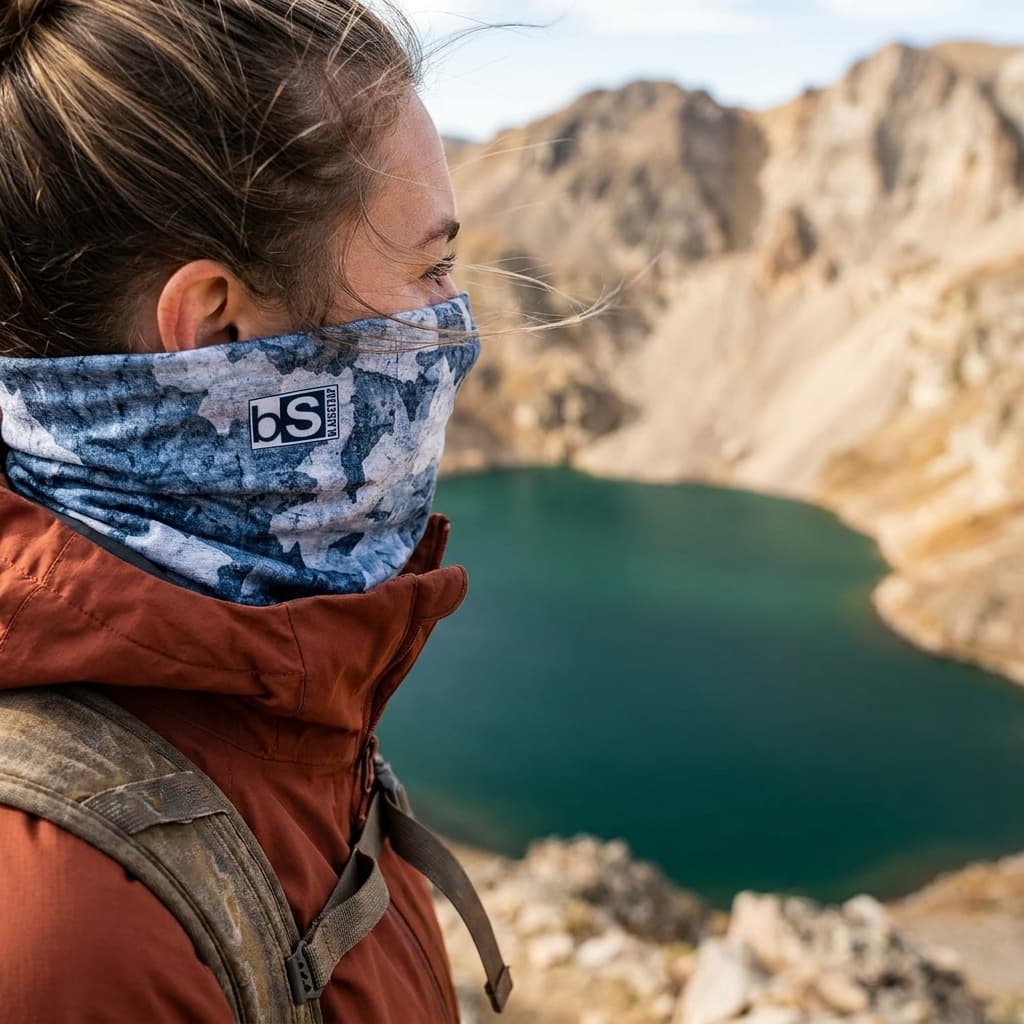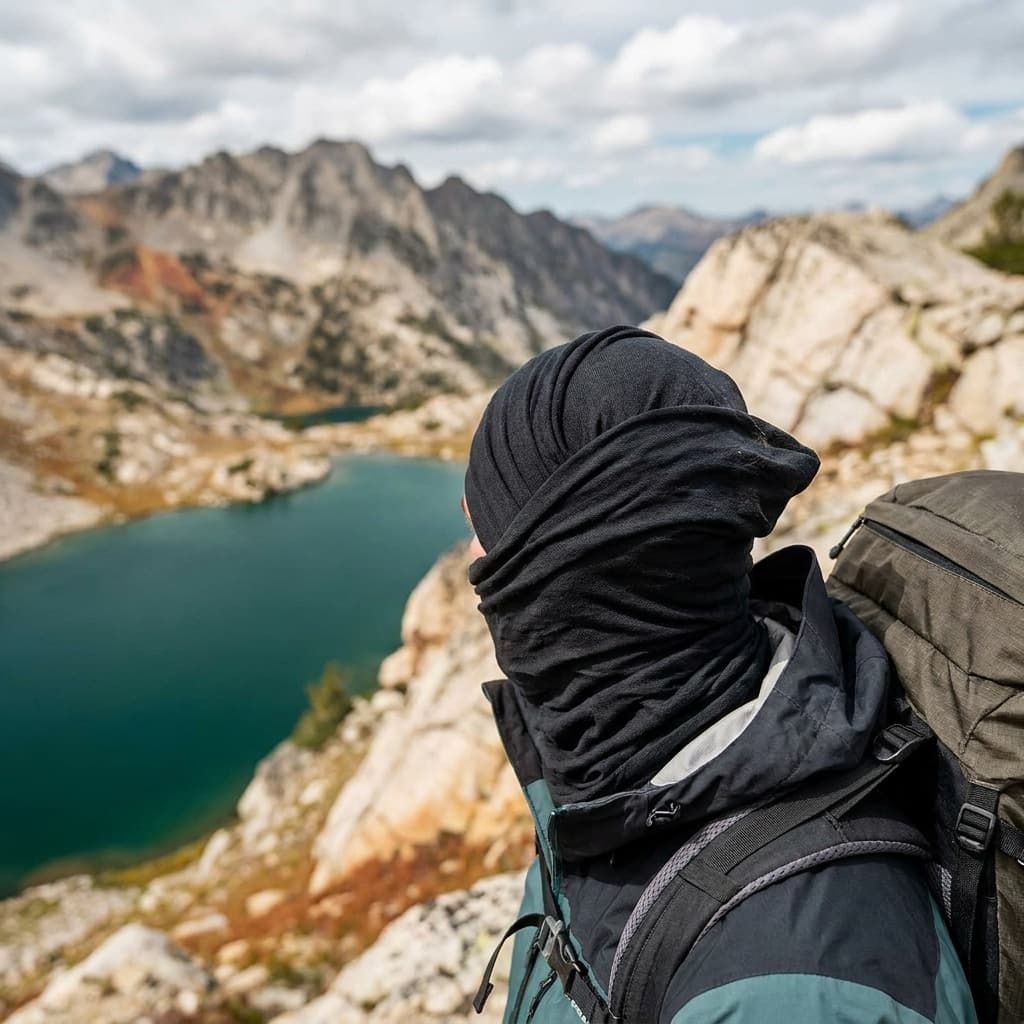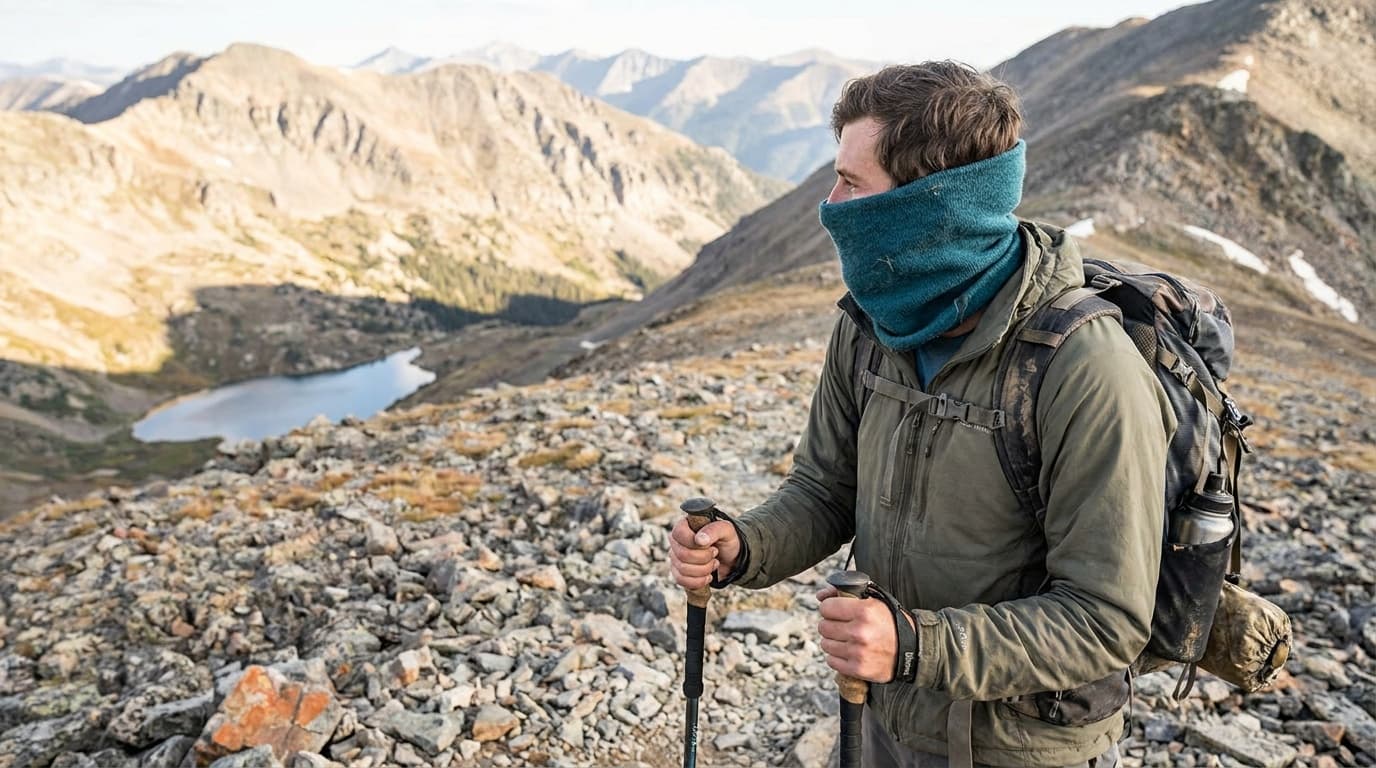
A neck gaiter is four ounces of fabric that solves three separate problems: UV on exposed ridgelines, biting wind on exposed cols, and cold at the neck where your layers stop. Getting the right one means matching the material and construction to when and where you actually hike.
Our quick picks

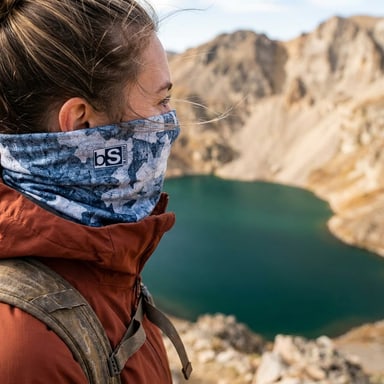
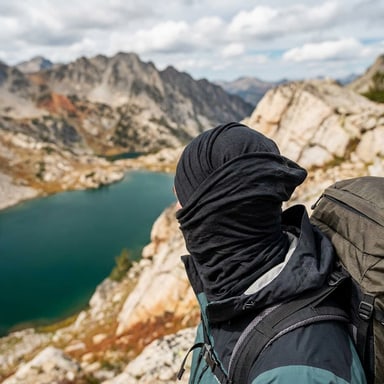
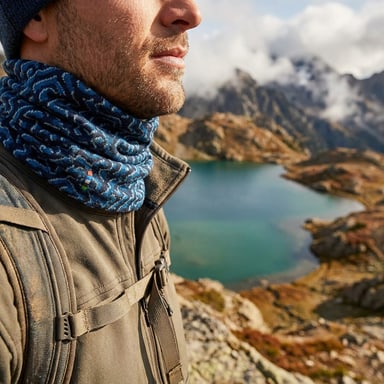
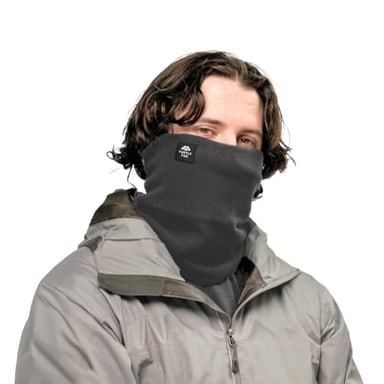
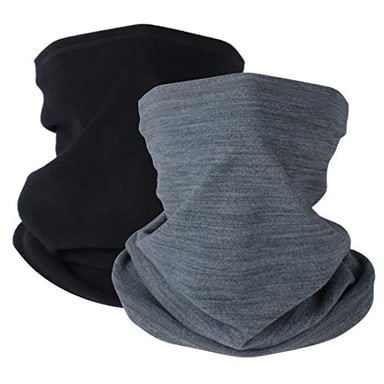
How we picked
Every pick here is scored on our Kit Score: UPF rating, breathability and moisture-wicking performance, warmth-to-weight ratio, versatility of wear positions, odor resistance across multi-day trips, and verified-owner satisfaction across desert, alpine, and shoulder-season conditions. We aggregate manufacturer specifications, fabric certifications, and hundreds of verified-owner reviews to distinguish gaiters that perform in real conditions from ones that look good in product photos.
The picks
Best overall: Buff CoolNet UV Neck Gaiter
The Buff CoolNet UV is the answer for hikers who spend most of their time in warm conditions and want a single breathable tube they can throw on without thinking. The CoolNet fabric is a 95% recycled polyester, 5% elastane blend rated UPF 50 under the AS/NZS 4399 standard, with HeiQ cooling and Polygiene odor control, and the moisture-wicking finish moves sweat away from skin more aggressively than untreated polyester, which matters on high-output approaches where a slower-drying fabric turns into a clammy liability.
At roughly an ounce (retailers list 28 to 37 g), the CoolNet UV essentially disappears on your neck. The fabric is thin enough to pull over your nose and mouth for sun protection on exposed ridge miles without feeling suffocating, and the low bulk means it fits cleanly under a helmet or hat brim without bunching. Verified owners consistently note that the UV-treated mesh construction breathes in direct sun conditions where heavier synthetic or merino options trap warmth.
The tube format allows 12 wear configurations, per Buff: neck gaiter, headband, balaclava, face mask, wrist gaiter, and more. That flexibility is more useful on trail than it sounds because conditions change across a day's hike and having one piece adapt across them reduces what you need to carry.
Buff's sizing is consistent and the construction is durable, with seams that hold across seasons of regular use. At $22–$28 it sits at a price point where replacing a worn-out one every few years is straightforward. For a hot-weather or three-season hiker who wants one do-everything UV tube, this is the recommendation.
BEST OVERALL
Buff CoolNet UV Neck Gaiter
Best for: Hikers who want a reliable one-gaiter solution for sun, wind, and light dust across three-season conditions.
- Established UPF 50 + evaporative cooling combination trusted by hikers and climbers across conditions
- Can feel snug on larger heads; some owners note it stretches out after a few wears
Kit Score 8.5/10 · $25.00 Price checked Oct 23, 6:22 AM CDT · how we score gear
Buy on AmazonProduct details
The benchmark UPF 50 neck gaiter for warm-weather hiking, built from 95% REPREVE recycled polyester with HeiQ cooling technology and Polygiene permanent odor control. Seamless tube design stretches and breathes without chafing, and transitions between 12 configurations from neck gaiter to face cover to headband.
- Material
- 95% recycled polyester, 5% elastane
- UPF rating
- UPF 50
- Odor control
- Polygiene permanent treatment
- Cooling tech
- HeiQ evaporative cooling
- Fit
- One size, 12 wear configurations
- Construction
- Seamless tubular knit, quick-dry
More strengths
- Polygiene treatment controls odor through multi-day use without washing
- Versatile enough to shift from neck gaiter to headband to light face cover on one trail
Other tradeoffs
- Thinner construction provides minimal insulation once temperatures drop below 50 F
Best value: BlackStrap Daily Tube Neck Gaiter
The BlackStrap Daily Tube makes a focused argument: UPF 50+ sun and wind protection, made in the USA with a 1-year warranty, at a price that removes any excuse for skipping neck coverage. The construction is a 95% polyester, 5% spandex blend in a perforated micro-pore fabric, and BlackStrap rates it to block 98% of UV.
The fabric weight sits between the ultra-thin CoolNet UV and a true midlayer tube, which makes it comfortable across a wider temperature range: cool spring mornings and warm afternoon approaches are both manageable without the gaiter becoming uncomfortable.
BlackStrap is based in Bend, Oregon, and lists the United States as the country of origin. For hikers who weigh country of manufacture in their gear decisions, that is a real differentiator.
At $18–$22 it is the most affordable sun gaiter in this group. The value is genuine, not a function of cutting meaningful specs: the UPF rating is real, the construction is solid, and the sizing is consistent across verified-owner feedback. For a budget-focused hiker or someone building a first kit, this is the practical starting point.
BEST VALUE
BlackStrap Daily Tube Neck Gaiter
Best for: Hikers and trail runners who want solid UPF 50+ sun protection at a price that makes it easy to carry a backup.
- UPF 50+ with evaporative cooling at under $22 makes it the strongest budget pick with real sun credentials
- Thinner single-layer build means minimal cold-weather protection compared to fleece or merino options
Kit Score 8.4/10 · $19.99 Price checked Oct 23, 6:22 AM CDT · how we score gear
Buy on AmazonProduct details
A USA-made UPF 50+ gaiter built on BlackStrap's perforated micro-pore 4-way stretch fabric with evaporative cooling and built-in odor resistance, all at a price that makes buying two or three colors practical. At 18.5 by 10 inches it sits long enough to cover neck and chin without bunching.
- Material
- 95% polyester, 5% spandex
- UPF rating
- UPF 50+ (blocks 98% of UV)
- Dimensions
- 18.5" x 10", one size
- Cooling
- Evaporative: absorbs heat when wet
- Country of origin
- Made in USA
- Warranty
- 1 year
More strengths
- Made in USA with finished seams and lens-safe fabric that cleans sunglasses without scratching
- Naturally odor-resistant and machine washable, durable through repeated field use
Other tradeoffs
- Relatively narrow color range in the most widely stocked Amazon colorways
Editor pick: Buff Original EcoStretch Neck Gaiter
The Buff Original EcoStretch earns the Editor's Choice because it combines three things that are easy to find individually but genuinely rare together: a mostly recycled construction, best-in-lineup stretch and four-way comfort, and a UPF 50 rating recommended by the Skin Cancer Foundation. The fabric is 95% recycled REPREVE polyester with 5% elastane, and Buff is a Certified B Corp.
The EcoStretch fabric is noticeably more elastic than standard polyester tube constructions. That matters for two practical reasons. First, the gaiter moves with your head and neck without binding, which reduces the fatigue of wearing it all day pulled up versus constantly adjusting. Second, the stretch means the tube works as a reliable face mask without pulling down at the nose, a fit problem that less elastic fabrics develop after a few hours of use.
Moisture management is strong. The polyester wicks sweat efficiently on warm climbs and dries quickly on breaks, and verified owners using it across multi-day trips note that odor build-up is manageable for two to three days of continuous use, better than most non-merino synthetics.
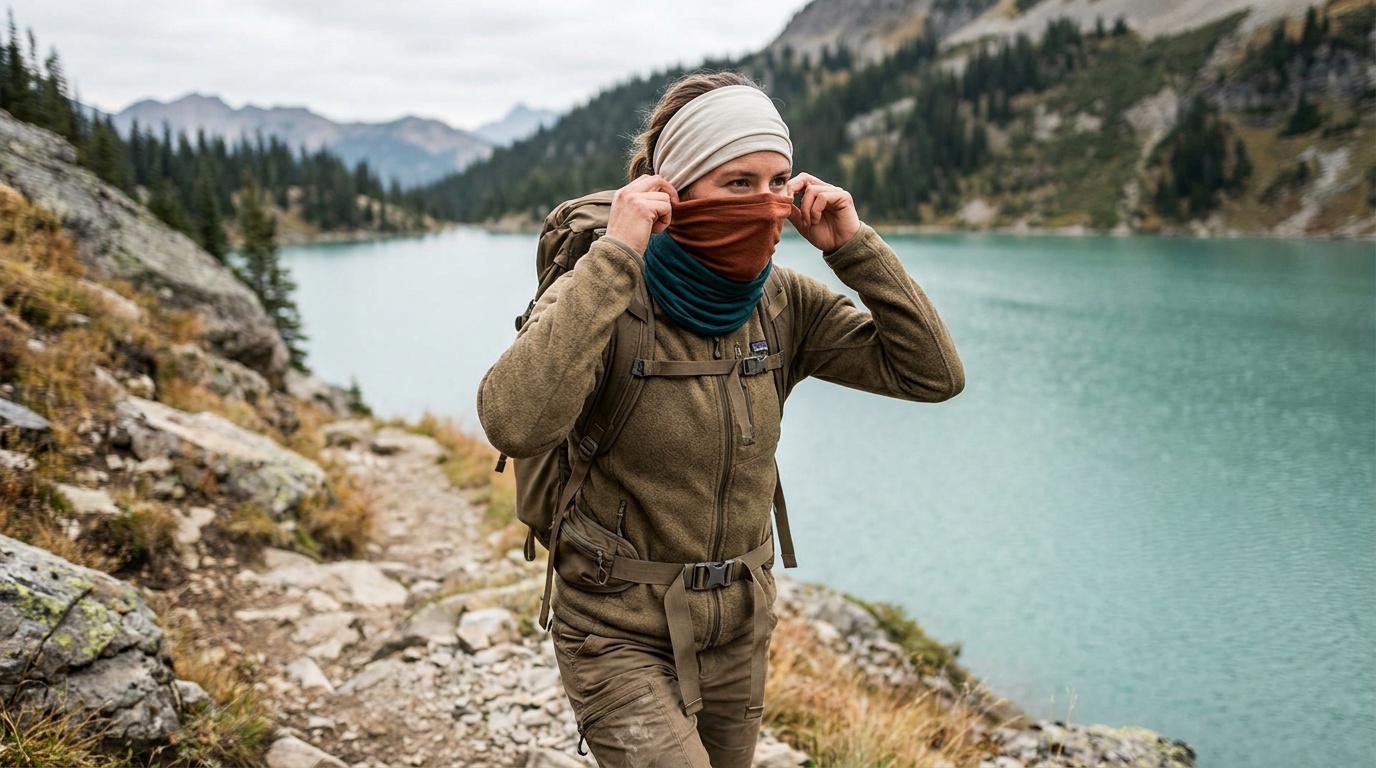
The 12-way versatility of the tube format is the same as on the CoolNet UV, but the EcoStretch's superior elasticity makes the transitions between positions smoother and the face-mask position more comfortable over long exposures. At $23 it sits in the same tier as the CoolNet UV, and the choice between them comes down to conditions: the CoolNet UV has the edge in pure breathability for hot desert hiking; the EcoStretch has the edge in stretch, comfort, and sustainable construction for everything else.
EDITOR'S CHOICE
Buff Original EcoStretch Neck Gaiter
Best for: Hikers and trail runners who want a lightweight, do-everything UPF 50 tube they can reconfigure on the fly and feel good about buying.
- Confirmed UPF 50 with Skin Cancer Foundation certification, one of the more credentialed ratings in this category
- Midweight microfiber offers no active cooling chemistry (phase-change or evaporative) so it runs warmer than purpose-built cooling gaiters in high heat
Kit Score 8.5/10 · $23.00 Price checked Oct 23, 6:22 AM CDT · how we score gear
Buy on AmazonProduct details
The Buff Original EcoStretch is the brand's workhorse tube: a single seamless loop of 95% recycled microfiber that blocks UPF 50 UV and stretches in every direction to reconfigure into 12 different styles, from neck gaiter to balaclava to headband. At $23 it sits well below most performance competitors, yet it carries the Skin Cancer Foundation's seal and Buff's Certified B Corp credentials. The fabric dries fast, breathes well across a 32-68 F comfort range, and the four-way stretch means it stays put whether you pull it up over your nose on a dusty trail or fold it into a thin headband on a warm climb.
- UPF rating
- UPF 50 (Skin Cancer Foundation certified)
- Material
- 95% recycled REPREVE performance microfiber, 5% elastane
- Wear styles
- 12 documented configurations
- Fit
- One size fits most adults, seamless 4-way stretch
- Care
- Machine wash
- Sustainability
- Certified B Corp; 41M+ plastic bottles recycled into Buff products
More strengths
- 95% recycled REPREVE construction checks a sustainability box most gaiters miss, backed by Certified B Corp status
- 4.6-star average across nearly 3,000 Amazon ratings with 400-plus units sold per month points to broad, sustained satisfaction
Other tradeoffs
- Single-layer construction provides minimal wind blocking compared to fleece or double-layer options
Best premium: Smartwool Thermal Merino Reversible Neck Gaiter
The Smartwool Thermal Merino Reversible is built for a different season than the other three picks. Where the polyester gaiters in this group are optimized for sun and breathability, the Smartwool is optimized for warmth and odor resistance in cold conditions, and it is the correct choice for hikers who regularly face sub-freezing temperatures, sustained wind chill, or multi-day trips where daily washing is not an option.
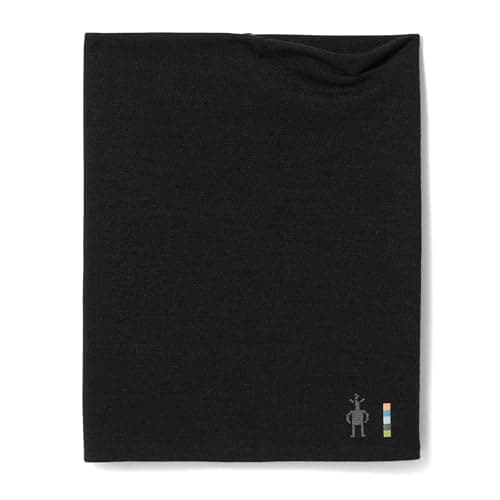
The construction uses Smartwool's Thermal Merino blend: a fine-gauge merino wool fabric that insulates even when damp, which is a critical property for neck coverage where condensation from breathing and exertion is unavoidable. It is 100% merino in a double-layer 250 interlock knit, about 10.25 inches long. Merino's natural crimp traps air for warmth, and the result is a gaiter that regulates temperature across a wider range than thin synthetics.
The reversible construction is a practical feature rather than a marketing note. Each side shows a different color or pattern, so one gaiter gives you two looks, and the double layer is what makes it warm enough for cold summit pushes.
Odor resistance is where merino pulls clearly ahead of polyester in multi-day use. Verified owners doing three-to-five-day backpacking trips in cold conditions consistently note that the Smartwool gaiter is rewearable across days where a synthetic equivalent would need to be aired out overnight. At $28–$38 the price is higher than the synthetic picks, and for a hiker who primarily hikes in warm weather the CoolNet UV or EcoStretch is the more practical choice. For cold-weather hikers, the warmth and odor resistance justify the premium straightforwardly.
BEST PREMIUM
Smartwool Thermal Merino Reversible Neck Gaiter
Best for: Hikers tackling fall and winter trails, or anyone who runs cold and wants a single neck layer that handles cold mornings, windy ridgelines, and light aerobic effort without overheating.
- Natural merino thermoregulation handles cold morning hikes and warm afternoon miles without swapping layers
- No meaningful UPF rating; not the right pick for pure sun-protection duty on summer desert or alpine trails
Kit Score 8.6/10 · Check current price · how we score gear
Buy on AmazonProduct details
A double-layer 100% ZQ-certified merino wool gaiter built for cold-weather trail days, offering natural thermoregulation, inherent odor resistance, and a reversible design that extends versatility without adding weight. At 250 g/m sq interlock knit, it delivers real insulation in sub-freezing temperatures while remaining breathable enough for aerobic hiking.
- Material
- 100% ZQ Merino wool, 250 g/sq m interlock knit
- Construction
- Double-layer, reversible
- Length
- 10.25" (26.5 cm)
- Odor control
- Natural merino wool anti-microbial properties
- Care
- Machine wash warm, gentle cycle
- Certification
- ZQ Merino (ethical wool sourcing)
More strengths
- Double-layer 250 g/m sq interlock construction delivers real insulation in sub-freezing conditions, confirmed by owner reports in single-digit temperatures
- Odor resistance lasts multiple trail days without washing, a meaningful advantage on multi-day trips
Other tradeoffs
- Premium price and merino care requirements (gentle machine wash) add a small maintenance overhead
Best for winter: Turtle Fur Original
BEST FOR WINTER
Turtle Fur Original Fleece Gaiter
Best for: Late fall through winter, chairlifts, and cold-morning dog walks.
- Genuine cold-weather warmth in a category dominated by thin tubes
- Too warm to wear moving hard; this is for cold days and low output
Kit Score 8.8/10 · $22.00 Price checked Oct 23, 6:22 AM CDT · how we score gear
Buy on AmazonProduct details
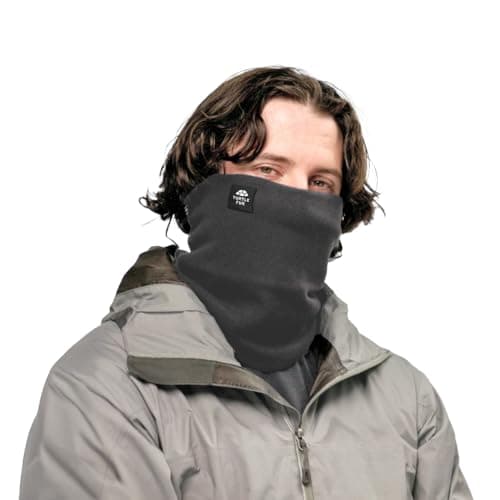
The Turtle's Neck, made since 1982 and still the heavyweight standard. Double-layer fleece for chairlifts, December walks, and every cold day the thin stretch tubes stop being enough.
- Fabric
- Double-layer heavyweight fleece
- Heritage
- The original, made since 1982
- Season
- Late fall through winter
More strengths
- Four decades of the same product is its own quality evidence
- Stays put and stays warm without the bulk or fuss of a scarf
Other tradeoffs
- No stretch-tube versatility: it is a neck warmer, not a headband or face cover
Every pick above is a thin stretch tube, and there is a temperature where thin stops being enough. The Turtle Fur Original is the heavyweight answer: double-layer fleece made since 1982, the default on chairlifts for a reason, and the piece that makes a December dog walk civilised.
It is a different tool rather than a better one. Too warm for hard movement, and it does nothing a stretch tube does, no headband mode, no face-cover versatility. For cold days at low output it replaces all of them.
Best for: Late fall through winter, chairlifts, and cold-morning routines.
Best budget winter: KGC Fleece 2-Pack
BEST BUDGET WINTER
KGC Fleece Neck Gaiter 2-Pack
Best for: Glovebox spares, family stock, and budget winter warmth.
- Two-pack pricing solves the lost-and-borrowed economics of small winter kit
- Fleece quality is honest for $7.50 a unit: warm, not plush, and pills with heavy wash cycles
Kit Score 8.0/10 · $14.98 Price checked Oct 23, 6:22 AM CDT · how we score gear
Buy on AmazonProduct details
Two soft windproof fleece gaiters for the price of lunch: one for the jacket pocket, one for the glovebox, and no grief when a family member permanently borrows one.
- Count
- 2 gaiters
- Fabric
- Soft windproof fleece
- Season
- Fall and winter
More strengths
- Windproof fleece punches above the price on genuinely cold days
Other tradeoffs
- Sizing runs snug over larger heads
Small winter kit obeys sock economics: it gets lost, borrowed, and left in other coats. Two windproof fleece gaiters for $15 stocks the jacket pocket and the glovebox at once, and removes the grief when one never comes back.
The fleece is honest for $7.50 a unit, warm rather than plush, and it pills with hard washing. Sizing runs snug over larger heads. As family stock and spares, the economics are unbeatable.
Best for: Glovebox spares, family stock, and budget winter warmth.
How the picks compare
| Product | Kit Score | Price | Best for |
|---|---|---|---|
| Buff CoolNet UV Neck Gaiter | 8.5 | $25.00 Price checked Oct 23, 6:22 AM CDT | Best for: Hikers who want a reliable one-gaiter solution for sun, wind, and light dust across three-season conditions. Why it stands out: Established UPF 50 + evaporative cooling combination trusted by hikers and climbers across conditions Tradeoff: Can feel snug on larger heads; some owners note it stretches out after a few wears |
| BlackStrap Daily Tube Neck Gaiter | 8.4 | $19.99 Price checked Oct 23, 6:22 AM CDT | Best for: Hikers and trail runners who want solid UPF 50+ sun protection at a price that makes it easy to carry a backup. Why it stands out: UPF 50+ with evaporative cooling at under $22 makes it the strongest budget pick with real sun credentials Tradeoff: Thinner single-layer build means minimal cold-weather protection compared to fleece or merino options |
| Buff Original EcoStretch Neck Gaiter | 8.5 | $23.00 Price checked Oct 23, 6:22 AM CDT | Best for: Hikers and trail runners who want a lightweight, do-everything UPF 50 tube they can reconfigure on the fly and feel good about buying. Why it stands out: Confirmed UPF 50 with Skin Cancer Foundation certification, one of the more credentialed ratings in this category Tradeoff: Midweight microfiber offers no active cooling chemistry (phase-change or evaporative) so it runs warmer than purpose-built cooling gaiters in high heat |
| Smartwool Thermal Merino Reversible Neck Gaiter | 8.6 | Check current price | Best for: Hikers tackling fall and winter trails, or anyone who runs cold and wants a single neck layer that handles cold mornings, windy ridgelines, and light aerobic effort without overheating. Why it stands out: Natural merino thermoregulation handles cold morning hikes and warm afternoon miles without swapping layers Tradeoff: No meaningful UPF rating; not the right pick for pure sun-protection duty on summer desert or alpine trails |
| Turtle Fur Original Fleece Gaiter | 8.8 | $22.00 Price checked Oct 23, 6:22 AM CDT | Best for: Late fall through winter, chairlifts, and cold-morning dog walks. Why it stands out: Genuine cold-weather warmth in a category dominated by thin tubes Tradeoff: Too warm to wear moving hard; this is for cold days and low output |
| KGC Fleece Neck Gaiter 2-Pack | 8.0 | $14.98 Price checked Oct 23, 6:22 AM CDT | Best for: Glovebox spares, family stock, and budget winter warmth. Why it stands out: Two-pack pricing solves the lost-and-borrowed economics of small winter kit Tradeoff: Fleece quality is honest for $7.50 a unit: warm, not plush, and pills with heavy wash cycles |
Buff CoolNet UV Neck Gaiter
- Best for
- Hikers who want a reliable one-gaiter solution for sun, wind, and light dust across three-season conditions.
- Why it stands out
- Established UPF 50 + evaporative cooling combination trusted by hikers and climbers across conditions
- Tradeoff
- Can feel snug on larger heads; some owners note it stretches out after a few wears
BlackStrap Daily Tube Neck Gaiter
- Best for
- Hikers and trail runners who want solid UPF 50+ sun protection at a price that makes it easy to carry a backup.
- Why it stands out
- UPF 50+ with evaporative cooling at under $22 makes it the strongest budget pick with real sun credentials
- Tradeoff
- Thinner single-layer build means minimal cold-weather protection compared to fleece or merino options
Buff Original EcoStretch Neck Gaiter
- Best for
- Hikers and trail runners who want a lightweight, do-everything UPF 50 tube they can reconfigure on the fly and feel good about buying.
- Why it stands out
- Confirmed UPF 50 with Skin Cancer Foundation certification, one of the more credentialed ratings in this category
- Tradeoff
- Midweight microfiber offers no active cooling chemistry (phase-change or evaporative) so it runs warmer than purpose-built cooling gaiters in high heat
Smartwool Thermal Merino Reversible Neck Gaiter
- Best for
- Hikers tackling fall and winter trails, or anyone who runs cold and wants a single neck layer that handles cold mornings, windy ridgelines, and light aerobic effort without overheating.
- Why it stands out
- Natural merino thermoregulation handles cold morning hikes and warm afternoon miles without swapping layers
- Tradeoff
- No meaningful UPF rating; not the right pick for pure sun-protection duty on summer desert or alpine trails
Turtle Fur Original Fleece Gaiter
- Best for
- Late fall through winter, chairlifts, and cold-morning dog walks.
- Why it stands out
- Genuine cold-weather warmth in a category dominated by thin tubes
- Tradeoff
- Too warm to wear moving hard; this is for cold days and low output
KGC Fleece Neck Gaiter 2-Pack
- Best for
- Glovebox spares, family stock, and budget winter warmth.
- Why it stands out
- Two-pack pricing solves the lost-and-borrowed economics of small winter kit
- Tradeoff
- Fleece quality is honest for $7.50 a unit: warm, not plush, and pills with heavy wash cycles
How to choose the right neck gaiter
Matching a gaiter to your conditions
Start with your primary season
Hot-weather and three-season hikers should prioritize UPF 50+, thin fabric weight, and strong moisture-wicking performance. Cold-weather and winter hikers should prioritize insulation, warmth when damp, and odor resistance across multiple wear days. A single gaiter rarely covers both ends of the spectrum well.
Decide on fabric: synthetic or merino
Synthetic polyester gaiters (CoolNet UV, EcoStretch, BlackStrap Daily) breathe and dry faster, cost less, and perform best in warmth. Merino gaiters (Smartwool Thermal) insulate better when damp, resist odor significantly longer across multi-day trips, and manage temperature across a wider range. The trade-off is weight and price.
Check the UPF rating and how it holds up
Some UV finishes wash out. A 2023 study found two of seven sun-protective clothing brands lost 70 to 78% of their UPF over 50 washes (both still tested above UPF 50), while the other five held steady. Protection also drops when fabric is stretched or wet, so a tube pulled tight over the nose protects less than the label says. Confirm the UPF rating before buying, especially on budget options not listed here.
Assess versatility versus single-use focus
A stretch tube gaiter (the Buff, BlackStrap, and Smartwool picks here) can be reconfigured as a headband, balaclava, wrist gaiter, or dust mask. If you want a gaiter that only does one job at the neck, a hemmed neck warmer with a specific cut may fit better. If you want to reduce your total carry by having one piece serve multiple roles, the tube format is the right architecture.
Match stretch to your use pattern
Four-way stretch fabrics (EcoStretch, CoolNet UV with elastane content) conform to the face for nose-and-mouth coverage without binding or pulling down. Lower-stretch fabrics may gap at the nose bridge when pulled up. If face coverage for cold mornings or dusty trails is part of your use case, verify the stretch rating before buying.
A UPF-rated gaiter worn consistently takes the reapplication guesswork out of sun protection on a long exposed hiking day.
Where these numbers come from
| Claim | Source | Checked |
|---|---|---|
| Buff CoolNet UV: 95% recycled polyester, 5% elastane, UPF 50 under AS/NZS 4399:2017, HeiQ cooling, Polygiene odor control, 12 ways to wear, made in Spain | Buff, CoolNet UV neckwear | Sep 2026 |
| Buff CoolNet UV weighs 28 to 37 g depending on retailer (Buff publishes no weight) | Varuste.net, Buff CoolNet UV; Ultralight Outdoor Gear, CoolNet UV tube | Sep 2026 |
| Buff Original EcoStretch: 95% recycled REPREVE polyester, 5% elastane, UPF 50, Skin Cancer Foundation recommended; Buff is a Certified B Corp | Buff, Original EcoStretch neckwear | Sep 2026 |
| BlackStrap Daily Tube: 95% polyester, 5% spandex, UPF 50+ (98% UV blocked), made in USA, 1-year warranty | BlackStrap, Daily Tube neck gaiter | Sep 2026 |
| Smartwool Thermal Merino Reversible: 100% merino, 250 interlock knit, double layer, 10.25 in long | REI, Smartwool Thermal Merino Reversible Neck Gaiter | Sep 2026 |
| Turtle Fur Turtle's Neck: introduced 1982, double-layer fleece, 3.2 oz | Turtle Fur, original fleece neck warmer | Sep 2026 |
| UPF 50 blocks about 98% of UV; stretched or wet fabric protects less | Skin Cancer Foundation, sun-protective clothing | Sep 2026 |
| Two of seven sun-protective clothing brands lost 70 to 78% of UPF over 50 washes; five held steady | Fernau and Ilyas, Cureus, 2023 | Sep 2026 |
We have not worn these gaiters on trail. Fabric, UPF, and weight figures are the makers' or retailers' published specs; comfort and odor notes summarize owner feedback.
Frequently asked questions
Can a neck gaiter replace sunscreen on the trail?
A UPF 50 neck gaiter blocks about 98% of UV radiation on the skin it covers, according to the Skin Cancer Foundation, and it does not wear off the way sunscreen does when reapplication gets missed. Stretching the fabric tight or soaking it with sweat reduces that protection somewhat. For the neck, lower face, and ears when the gaiter is pulled up, it is the more consistent option. It does not replace sunscreen on exposed areas the gaiter does not cover: the upper face, forearms, and hands. Use a UPF gaiter for covered areas and reserve sunscreen for what the fabric cannot reach.
How do I wash a neck gaiter without losing the UPF protection?
For the synthetic sun gaiters (BlackStrap Daily Tube and the Buff products in this roundup), machine wash on a gentle cycle with a mild or technical-fabric detergent and follow the care label: Buff says not to tumble dry, and BlackStrap says no softeners. Neither brand says how its UPF is achieved, and a 2023 laundering study found most sun-protective brands held their UPF over 50 washes while a few with added finishes lost a large share. For merino gaiters (Smartwool Thermal), use a wool-specific wash and lay flat to dry rather than tumble-drying, which can shrink fine merino over time. Avoid fabric softener on any performance gaiter, as it coats the fibers and reduces moisture-wicking performance.
What is the difference between a neck gaiter and a buff?
"Buff" is the brand name for the original seamless tubular neck gaiter, made by Original Buff, S.A. in Igualada, Spain, since 1992. The term is now used generically (like "chapstick" or "xerox") to refer to any seamless tube gaiter. The functional distinction is construction: Buff-brand products use specific fabric blends (CoolNet UV, Original EcoStretch, Merino Wool) that are proprietary to the brand. Generic "buff-style" gaiters use similar tube constructions in various fabrics. In this roundup, the Buff, BlackStrap, and Smartwool picks are seamless tubes; the Turtle Fur and KGC picks are fleece neck warmers.
The right neck gaiter is the kind of gear that earns space in every pack once you've relied on it through a hot exposed ridge or a cold summit morning. Any of the picks above will outperform a bare neck in the conditions it's designed for. Browse more clothing and accessories picks in the hiking hub, or read more about how we research and rate every product on this site.
Keep going
Related guides


 Complete hike loadoutDay hike kitBuild the complete kit
Our recommendations draw on manufacturer documentation, retailer listings, owner feedback, and comparisons with alternatives.
As an Amazon Associate I earn from qualifying purchases. We may earn a commission from links here, at no extra cost to you. How we research →