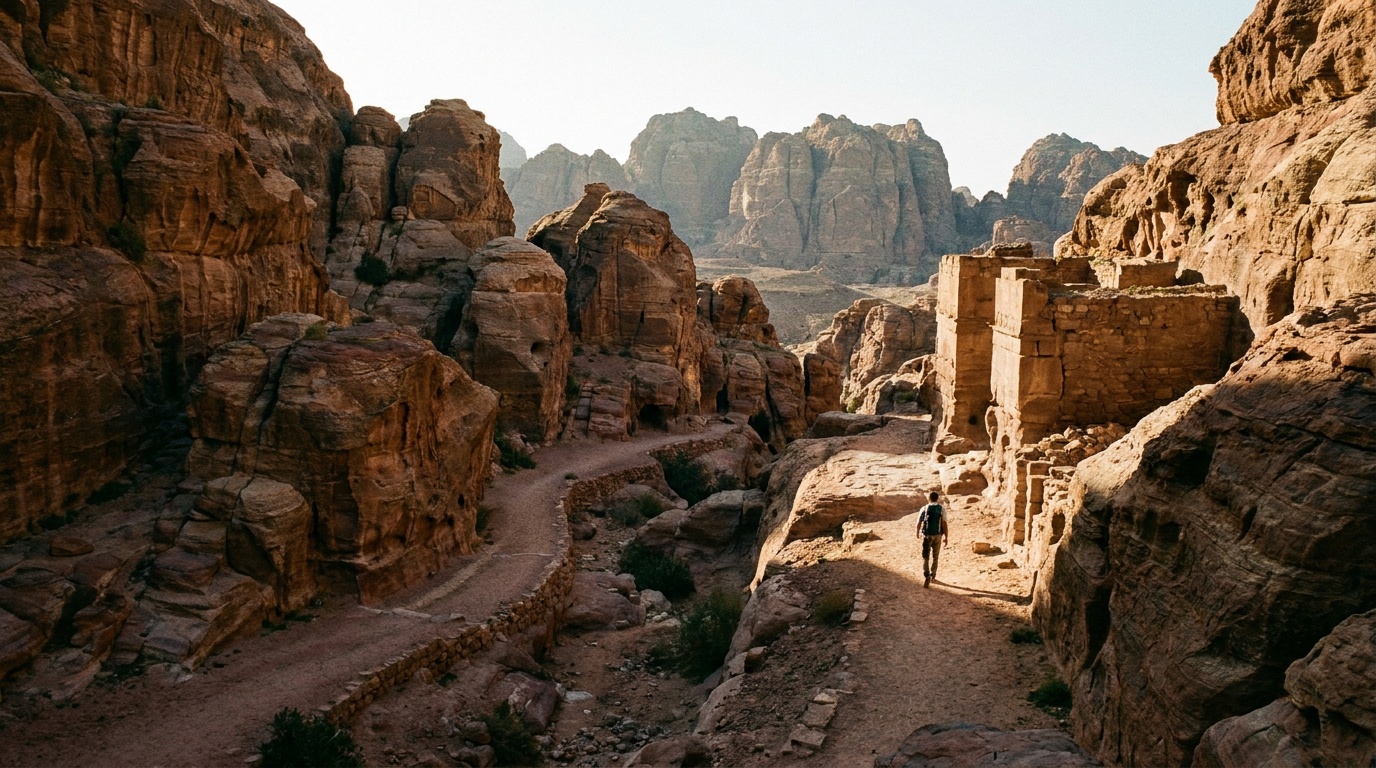
When to go
Weather, crowds, and what the season changes about the trip.
Spring
Warm days, cool nights, and breezy conditions, with desert blooms early in the season.
Pack Wind layer, sun protection, and water for exposed sites.
Summer
Hot and exposed, with monsoon storms possible from July, and best for early mornings and nights.
Pack Maximum water, shade discipline, and a storm plan for the monsoon.
Fall
Mild, dry, and one of the best windows for camping and stargazing among the rocks.
Pack Layers for cool nights, sun protection by day, and a headlamp.
Winter
Cool to cold nights, mild days, quiet sites, and clear dark skies.
Pack Warm insulation for cold desert nights and a wind layer.
Top things to do
The rock city
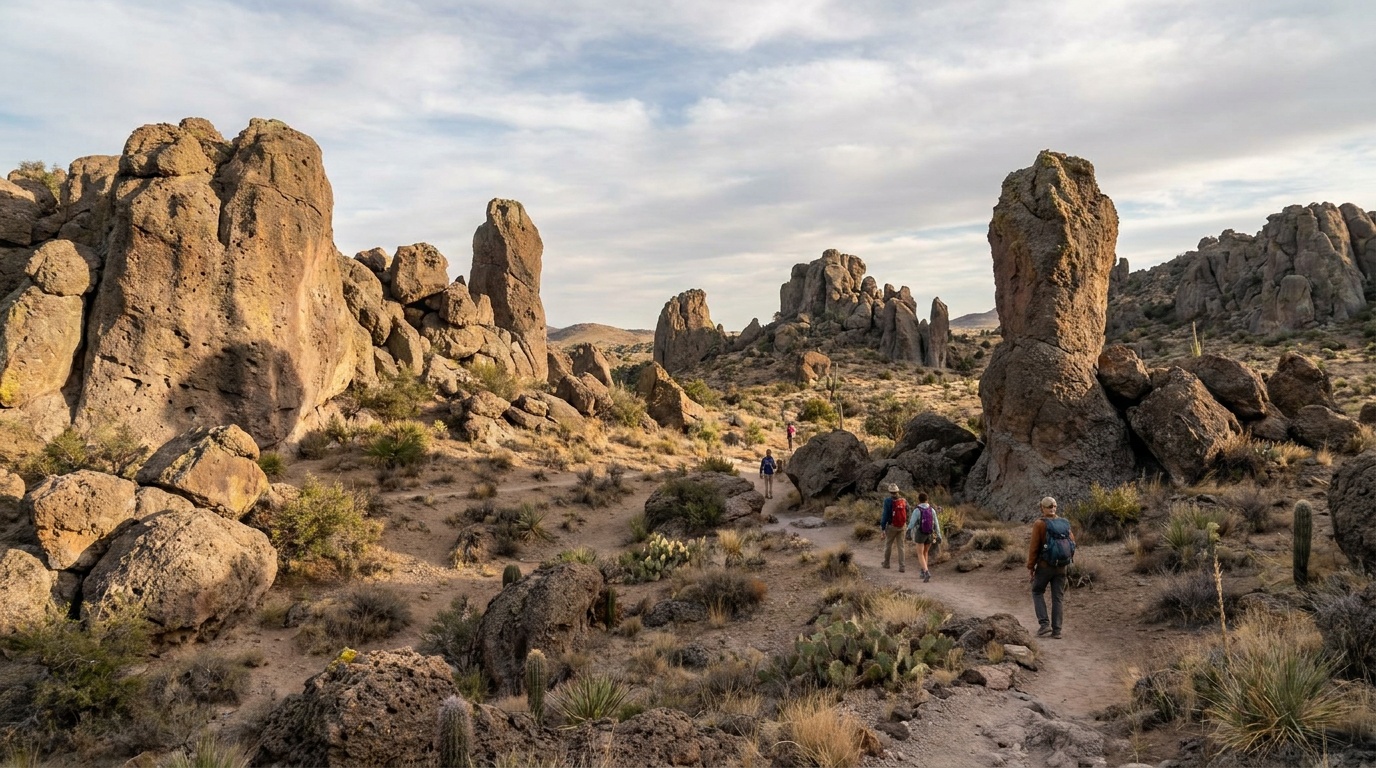
The signature sight: sculptured volcanic pinnacles up to about 40 feet tall, separated by paths that resemble city streets, formed by erosion of a 34.9-million-year-old volcanic tuff.
Hydra and Observatory trails
Short desert loops and trails among and around the formations, with mountain biking and birding on the park's outer paths.
Dark-sky stargazing and the botanical garden
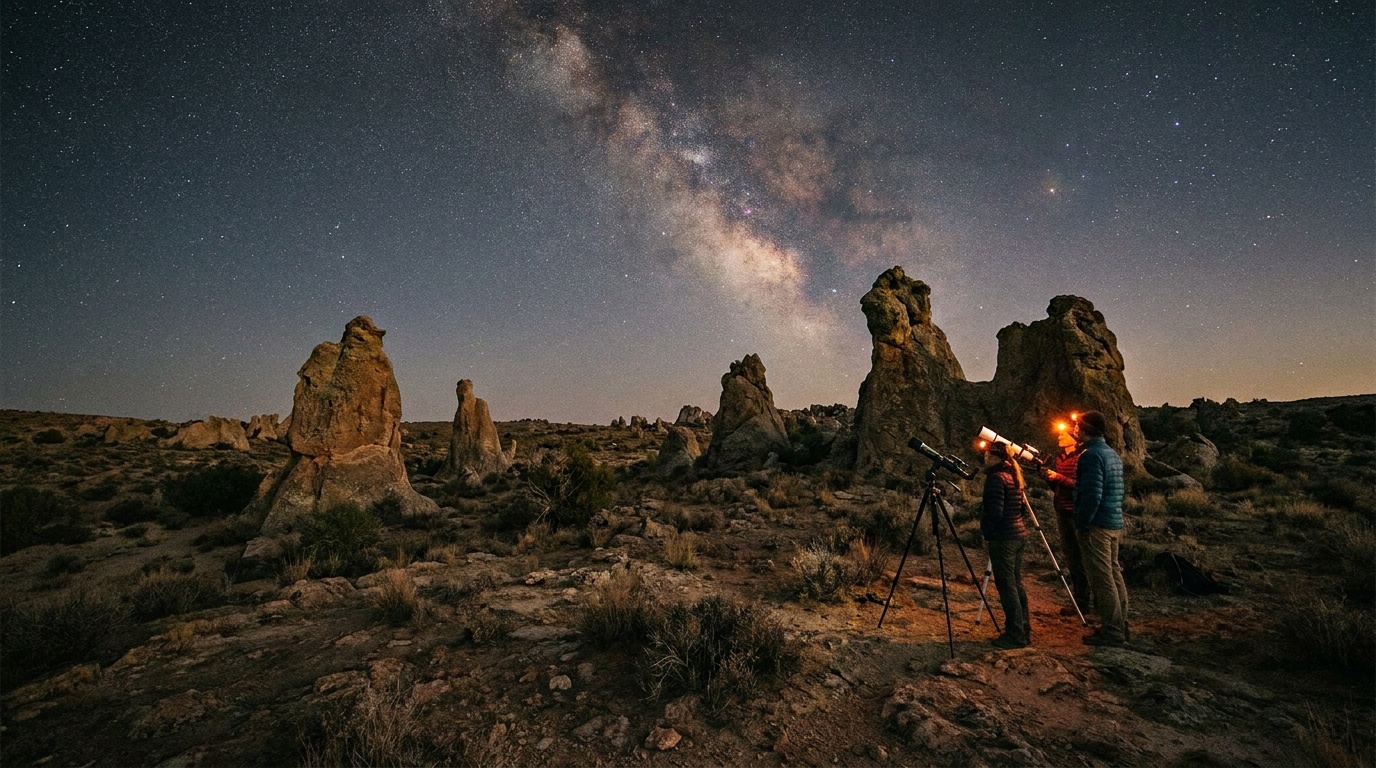
Some of the darkest skies in the Southwest, plus a desert botanical garden that interprets the local flora.
Anchor the day around The rock city
Move exposed miles to the morning and keep water, shade, and storm checks ahead of the wish list. For one day in City of Rocks State Park, make The rock city the non-negotiable, add Hydra and Observatory trails only if the first stop runs clean, and keep Dark-sky stargazing and the botanical garden as the flexible finish.
- 1Start with The rock city: The signature sight: sculptured volcanic pinnacles up to about 40 feet tall, separated by paths that resemble city streets, formed by erosion of a.
- 2Add Hydra and Observatory trails: Short desert loops and trails among and around the formations, with mountain biking and birding on the park's outer paths.
- 3Use Dark-sky stargazing and the botanical garden as the optional finish, not as a reason to rush the whole day.
Where to stay
Camp in the park itself, where the sites are tucked between the rock formations, an unusually atmospheric setup with both developed and electric options. The towns of Silver City and Deming, roughly half an hour away in either direction, cover hotels, food, and fuel when sites are full or the weather turns.
Camping reservations
Camping reservations
Book a City of Rocks site nestled among the pinnacles.
The campsites here sit directly among the rock formations, which is the whole appeal. The park stays manageable, but the best sites and electric hookups go first for cool-season weekends.
Reviewed June 11, 2026
Booking window
New Mexico State Parks uses ReserveAmerica. Some sites can be reserved up to six months ahead and others up to 30 days ahead, with remaining sites first-come on arrival.
- Camping rates run roughly $15 to $30 per night depending on the site and hookups.
- Day use is about $5 per vehicle, and a New Mexico annual day pass covering all state parks is about $40.
- Cool-season weekends are the high-demand window; summer is hot and quieter.
Where to book or verify
Official New Mexico reservation portal via ReserveAmerica.
Official EMNRD park page with conditions, fees, and amenities.
Check for federal campground, backcountry, tour, and permit inventory tied to this park.
Campgrounds to know
City of Rocks Campground
Details- Booking
- Reserve six months to 30 days ahead via ReserveAmerica; remaining sites first-come.
- Season
- Open year-round.
- Sites
- Developed and electric campsites tucked among the rock formations.
- The reason to come: sites sit directly between the pinnacles, with dark skies overhead.
Getting there and practical info
Plan the last mile as carefully as the destination.
Airports, roads, entrances, and local movement belong in the same plan.
Getting there
Get to City of Rocks State Park, then move through the park without wasting the day.
- Access rhythm
- Plan the last mile
- Region
- New Mexico
Arrival note
City of Rocks sits in southwest New Mexico, about halfway between Silver City and Deming off US 180 and NM 61.
Car strategy
A car is required, and the park is remote enough that you should arrive with full fuel, water, and supplies, especially for an overnight.
Book ahead
- Guided tours in City of Rocks State ParkPaid link, Viator
Paid links: we may earn a commission if you book, at no extra cost to you.
Pair this with lodging: the simplest base is the one that removes a real morning problem, not just the one nearest the map pin.
Plan your trip
Turn City of Rocks's conditions into water, pack, and sleep-system decisions.
Build around conditions
Let season, elevation, and weather set the plan.
Plan your trip
4 quick tools, already seeded for City of Rocks State Park. Tune the numbers around temperature swings, footing, layers, and how much margin the route needs.
What to pack
Start with the gear decisions this park changes: footing, weather, camping, and water.
Kit Authority
City of Rocks State Park packing list
0 of 23 packed. Check items as you pack, then take this list to the store, trailhead, or campsite.
Pack planning
Decide what City of Rocks State Park asks of your kit before you start checking boxes.
Use this as a constraint check while you are still shaping the trip. The active checklist becomes useful once your route, dates, and sleep plan are set.
- First constraintHydration and exposureWater, Electrolyte mix, hat, sunscreen, sunglasses, 4 more
- Route realityFooting and tractionHiking boots, Hiking socks, Trekking poles
- Load choicePack and carry systemDaypack
- If overnightSleep and shelterTent, Sleeping bag, Sleeping pad
Checklist mode
23 items, grouped for the trip you are actually taking.
- Dates and season are set.
- Primary route, campground, or lodge is chosen.
- Water, footwear, and overnight needs are sized.
One researched pick
The first gear decision for City of Rocks
For a first campground setup, a fast pitch and real rain coverage matter more than premium materials.
We may earn a commission from links on this page, at no extra cost to you. Product prices and availability are accurate as of the date/time indicated and are subject to change. Any price and availability information displayed on Amazon at the time of purchase will apply to the purchase of this product.
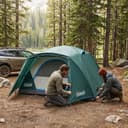
THE CAMPGROUND PICK
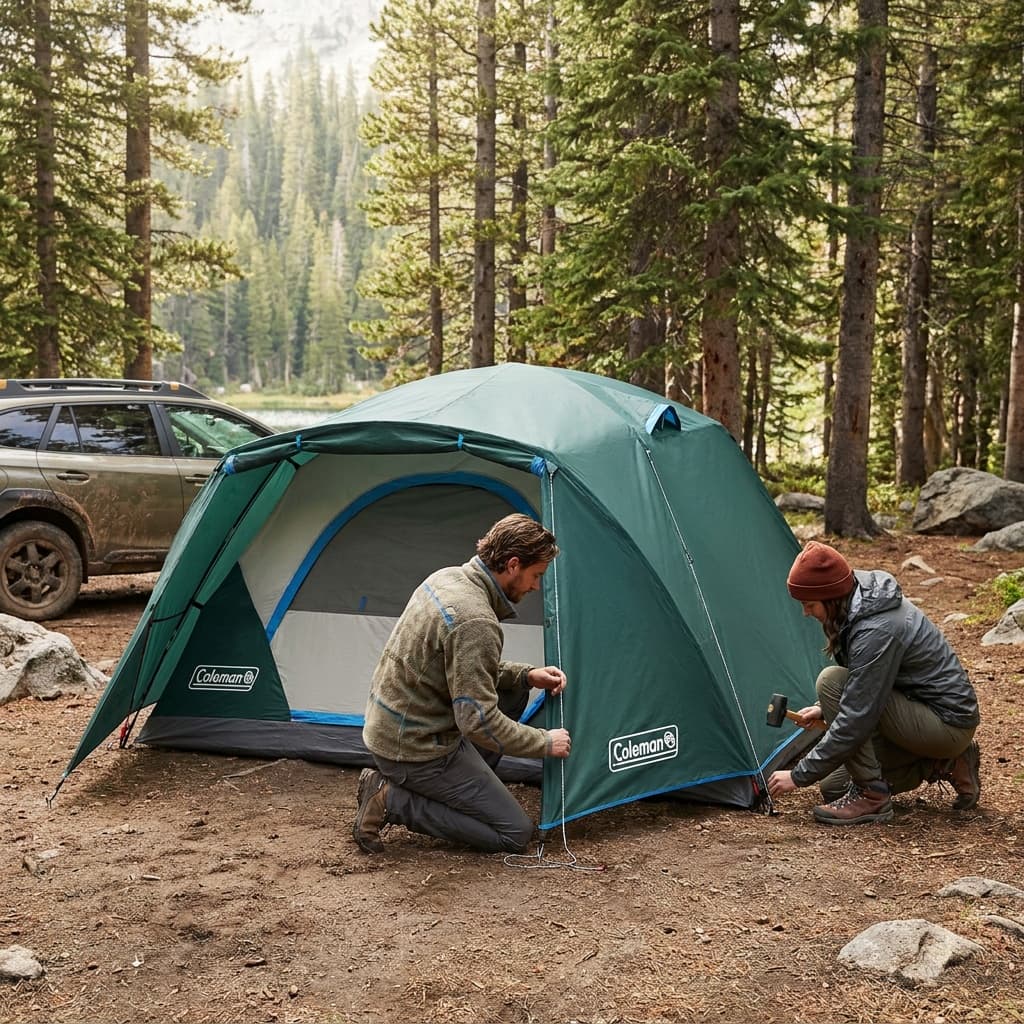
Coleman Skydome 4-Person Camping Tent with Full Fly Vestibule
Best Value
Kit Score 7.5/10
$189.99 Price checked Oct 26, 7:39 AM CDT
Best for: Beginner couples or small families who want a reliable, fast-pitching shelter with solid rain coverage without spending more than $200.
- Pre-attached poles make solo setup straightforward
- 55-inch peak height means most adults cannot stand up inside
- Capacity
- 4 person
- Floor
- 8 x 7 ft (56 sq ft)
- Peak height
- 55.2 in (4 ft 7 in)
- Weight
- 13.7 lbs
- Wind rating
- Frame tested to 35 mph
- Setup
- Pre-attached poles, under 5 minutes
About this pick
The Skydome's pre-attached poles fold out and lock into corner sleeves without guesswork, making it one of the most foolproof setups at any price. Nearly vertical walls add 20% more headroom than a traditional Coleman dome, and the full-coverage rainfly version includes an 8 x 3.5 ft vestibule for gear storage.
Strengths
- Pre-attached poles make solo setup straightforward
- Full-coverage rainfly with integrated 8 x 3.5 ft vestibule for gear storage
- Nearly vertical walls maximize usable interior space for the footprint
Weaknesses
- 55-inch peak height means most adults cannot stand up inside
- Plastic fly clips and thin fabrics raise durability concerns with frequent use
Kit Score breakdown
Gear for City of Rocks
The buying guides that match what City of Rocks asks of your kit, with our current top picks across budget and use case.
Can you photograph here? Permit and drone rules
New Mexico's film office issues no permits but is the front door to state property; state parks want film and photo applications 30 days out, and public agencies standardize on 1,050,000 dollars of insurance.
- Permit
- Usually fine for personal shoots; commercial or large productions can need a permit
- Drones
- Commercial drone work requires FAA Part 107
- Land
- Yes: you can photograph what is visible from public space in the US
From our photography sister site, Aperture Authority. Verified 2026-07-01.
Frequently asked questions
Can you camp among the rocks at City of Rocks State Park?
Yes. The campsites sit directly among the volcanic pinnacles, with both developed and electric options. It is one of the more distinctive desert campgrounds in New Mexico, and the rocks shelter and frame the sites.
How much does City of Rocks State Park cost?
Day use is about $5 per vehicle, and a New Mexico annual day pass covering all state parks is about $40. Camping runs roughly $15 to $30 per night depending on the site and hookups.
When is the best time to visit City of Rocks?
October through April is best, when the desert is cool enough for comfortable hiking, camping, and stargazing. Summer is hot and exposed, with monsoon storms possible from July, so plan for early mornings and nights.