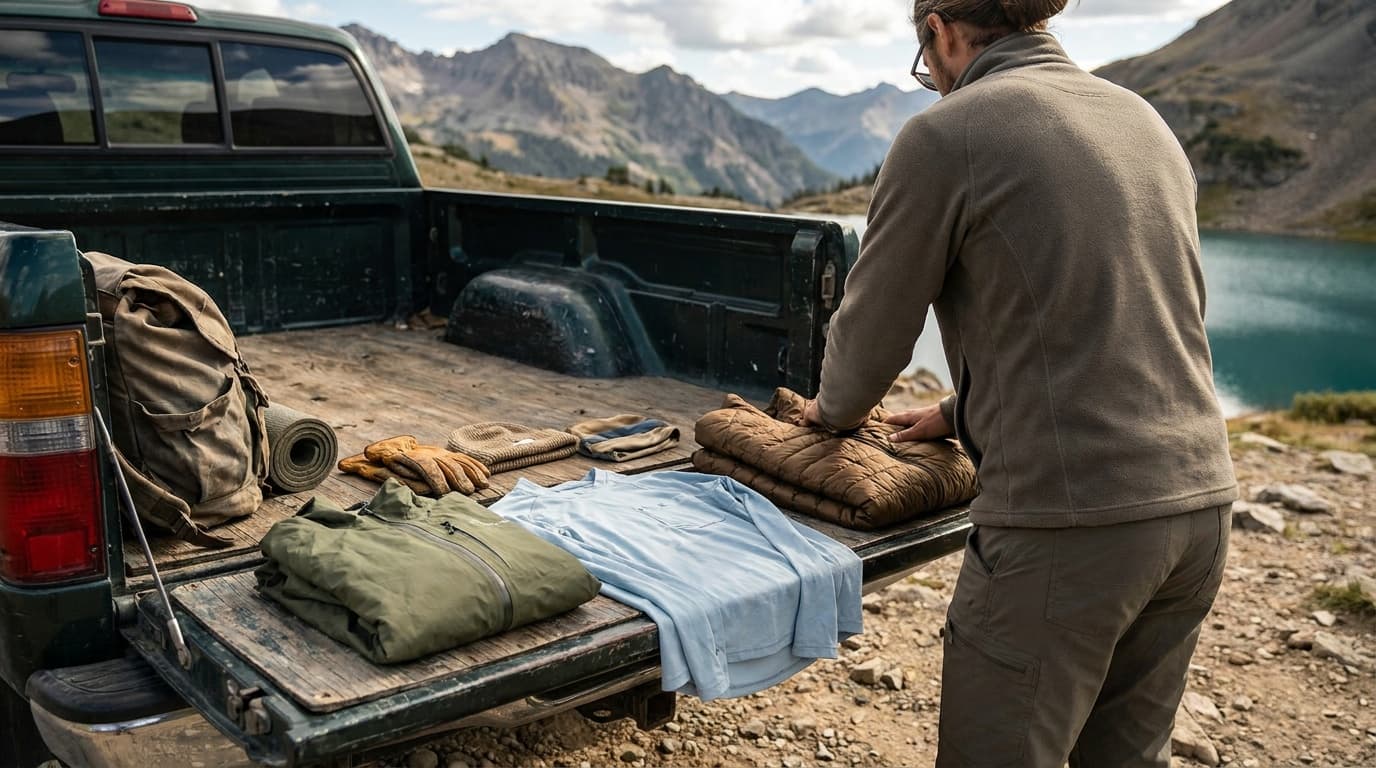
The sun is the one piece of trail conditions most hikers underestimate on a clear day, and clothing is the most consistent protection you can carry.
UPF vs SPF: why the two numbers are not interchangeable
SPF (Sun Protection Factor) appears on sunscreen and measures how much UV-B radiation is blocked before your skin burns. It says nothing about UV-A, the longer wavelength that penetrates clouds, glass, and skin more deeply and contributes to skin aging and melanoma.
UPF (Ultraviolet Protection Factor) is the standard used for fabrics. It accounts for both UV-A and UV-B across the full solar UV spectrum, and it tells you how much of that total radiation passes through the fabric to your skin. A garment rated UPF 50 transmits 1/50th of UV radiation, which works out to 98%. A UPF 30 garment transmits 1/30th, about 3.3%. The American Academy of Dermatology considers UPF 30 the minimum for meaningful protection; UPF 50+ is the gold standard and is what most dedicated sun-protective hiking shirts, like the Columbia Silver Ridge Utility II, target.
What determines a fabric's UPF rating
UPF is not a chemical coating applied after weaving. It comes from the physical structure of the fabric itself, shaped by four main variables.
Four factors that drive UPF
Weave tightness
Tighter weaves and denser knits leave smaller gaps between fibers, blocking more UV. A plain white cotton T-shirt often tests below UPF 15 because it is loosely woven.
Fiber type
Polyester and nylon naturally absorb more UV than cotton. Some wool constructions also rate well. Untreated cotton is among the worst performers.
Color
Darker and more saturated colors absorb UV more effectively than pale ones. A navy or charcoal shirt blocks more than the same shirt in light gray or white, even with identical weave.
Fit and stretch
Fabric stretched tightly over skin increases gap size between fibers, dropping effective UPF. A relaxed fit that is not pulled taut maintains the rated protection.
Weight matters too. Heavier fabrics block more radiation, which is why lightweight sun shirts exist in a specific engineering tradeoff: the manufacturer increases fiber density and often blends in UV-absorbing fibers (like certain polyesters) to achieve a high UPF without adding bulk or reducing breathability.
Does UPF wash out?
For garments whose UPF comes from fabric construction, repeated washing has minimal effect. The protection is structural, not a finish. The exception is garments treated with UV-absorbing additives or surface treatments, which can degrade over time with repeated laundering.
A well-constructed polyester or nylon sun shirt holds its UPF for the life of the garment; a dye-and-coating treatment may not.
The practical guidance: check whether the garment's UPF is described as "inherent" (structural) or "treated." Brands targeting the hiking and outdoor market almost universally use inherent-construction UPF because it survives real-world use. If a label does not specify, lean toward fiber content as your guide: polyester and nylon construction is inherently more protective than cotton regardless of treatment.
Why sun-protective clothing outperforms sunscreen for trail use
Sunscreen is chemistry that degrades with time, sweat, and friction. On a six-hour ridge walk, you would need to reapply every two hours at minimum, and most people apply less than the tested amount (2 mg/cm²), which drops the effective SPF far below the label rating. Sweat and wiping with a sleeve accelerates the gap.
A UPF 50+ shirt does none of that. You put it on and it protects exposed skin for the full day. There is no application volume question, no two-hour timer, no reapplication mid-scramble.
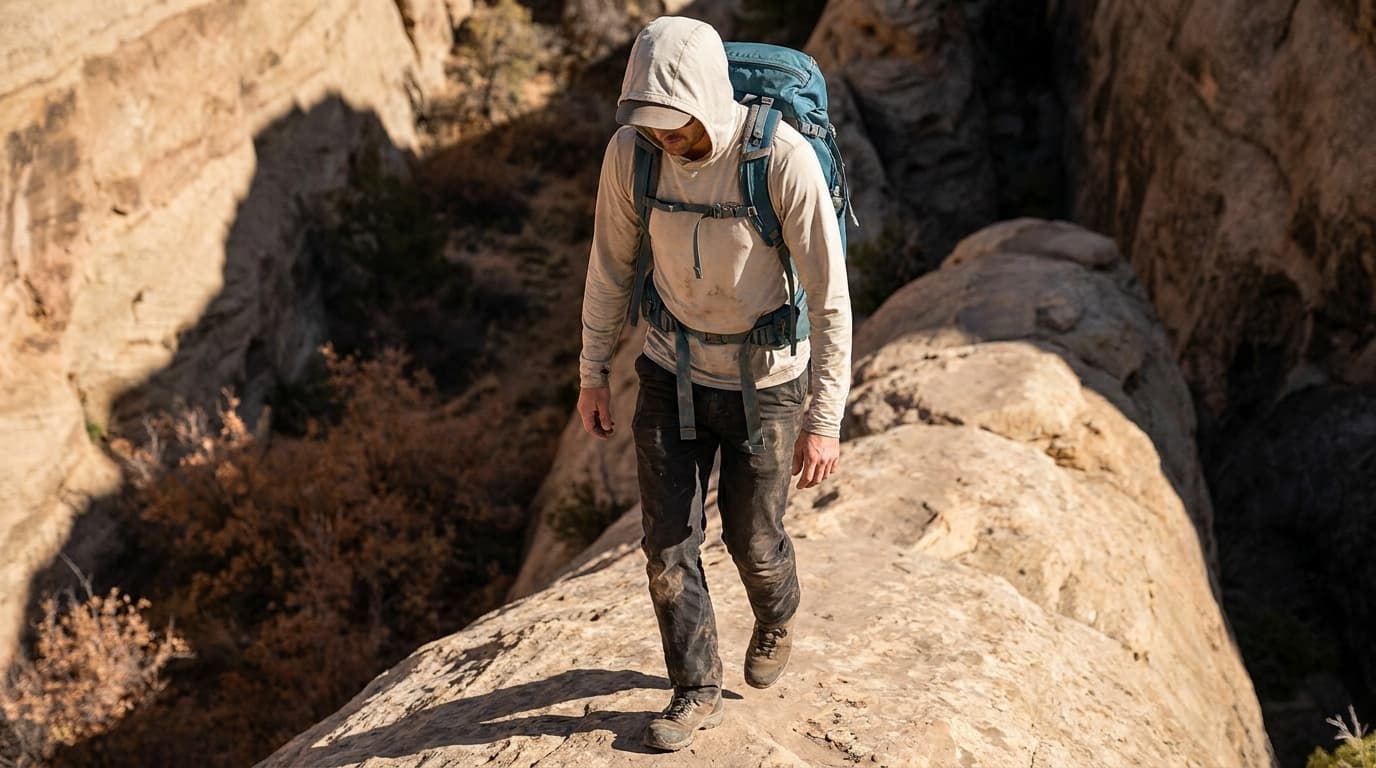
The combination approach is also more comfortable. A breathable UPF 50+ long-sleeve like the Outdoor Research ActiveIce Spectrum Sun Hoodie in a white or light color often feels cooler in direct sun than bare skin, because it blocks the radiant heat load that bare skin absorbs. This surprises most hikers who assume sleeves always mean more heat.
Reading UPF labels and what to look for
The UPF rating system in the US follows the ASTM D6603 standard; in Australia and New Zealand (where the standard originated) it follows AS/NZS 4399. Both use the same testing method and rating scale, so a garment labeled to either standard is comparably rated.
When shopping, look for three things: a specific UPF number (not just "UV protective"), a statement that the rating is tested rather than estimated, and fiber content that supports the claim (polyester, nylon, or a wool blend rather than plain cotton). Brands like Outdoor Research, Patagonia, Columbia (Omni-Shade), and Arc'teryx publish UPF ratings on their sun-focused hiking shirts and back them with ASTM testing.
Fit still matters after purchase. If you size down and the shirt stretches across your shoulders on a climb, you are lowering its effective UPF. Buy a relaxed fit and the rating holds.
Frequently asked questions
Can a regular cotton T-shirt protect me from the sun?
A standard cotton T-shirt typically tests between UPF 5 and UPF 15, meaning it transmits 7–20% of UV radiation. That is meaningful cover compared to bare skin, but it is well below the UPF 30 minimum recommended for sun-protective clothing, and it drops further when the fabric is wet or stretched. For short walks in partial shade it is fine; for sustained sun exposure on a trail, it is not adequate.
Does a UPF 50 shirt make sunscreen unnecessary?
For the skin the shirt covers, yes. UPF 50+ fabric is more consistent and longer-lasting than sunscreen under trail conditions. You still need sunscreen on uncovered skin: your face, neck, hands, and any gap at the collar. The best strategy is to use the shirt to cover as much surface area as practical and reserve sunscreen for what remains exposed.
Is a dark-colored UPF shirt hotter to wear than a light one?
In direct sun, darker colors absorb more radiant heat from the environment, which can make them feel warmer. Lighter colors reflect more solar radiation. For hot sunny hiking, a white or light-colored UPF 50+ shirt is generally the cooler choice and still provides full rated protection. Darker colors can be useful in cooler conditions where warmth from solar gain is welcome.
For specific picks, see our guides to the best sun shirts and the best sun hats for hiking. Browse all hike guides or read how we research and rate gear.
Recommended gear
Our current top picks from the Best sun hats for hiking (2026) guide, if you are ready to buy.
SUNDAY AFTERNOONS
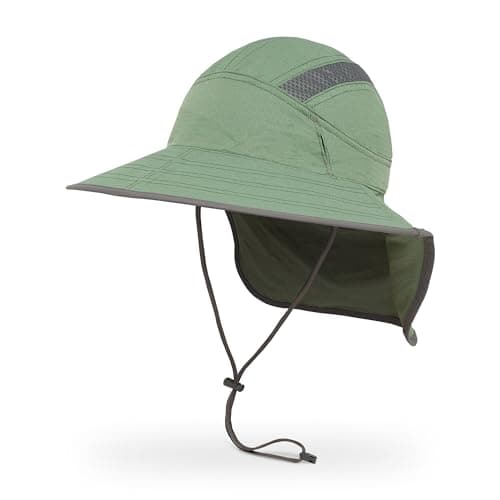
Sunday Afternoons Ultra Adventure Hat
Best Overall
Kit Score 8.5/10
$60.00 Price checked Oct 23, 4:16 PM CDT
Best for: Backpackers and desert hikers who want maximum coverage in a sub-3-oz package they will forget is in their kit.
- Reverse Split Brim folds flat for compact packing at just 2.6 oz
- Aesthetic is purely utilitarian, not a trail-to-town crossover
- UPF Rating
- UPF 50+
- Brim Width
- 3.5 in.
- Neck Cape
- 6 in.
- Weight
- 2.6 oz (73.7 g)
- Material
- 88% nylon, 12% polyester
- Chin Strap
- Yes, adjustable for a secure fit
About this pick
A featherlight wide-brim hat with a foldable Reverse Split Brim and a 6-inch neck cape, rated UPF 50+ including the mesh, purpose-built for long days in alpine or desert sun. Side mesh panels let heat out, and a recycled wicking sweatband keeps it comfortable through steep climbs.
Strengths
- Reverse Split Brim folds flat for compact packing at just 2.6 oz
- Neck cape extends to 6 in., covering ears and the back of the neck on exposed ridges
- Sunglass Lock feature keeps eyewear tethered; PFAS-free DWR finish sheds light rain
Weaknesses
- Aesthetic is purely utilitarian, not a trail-to-town crossover
- Hand-wash only; care is more involved than machine-washable alternatives
Kit Score breakdown

OUTDOOR RESEARCH
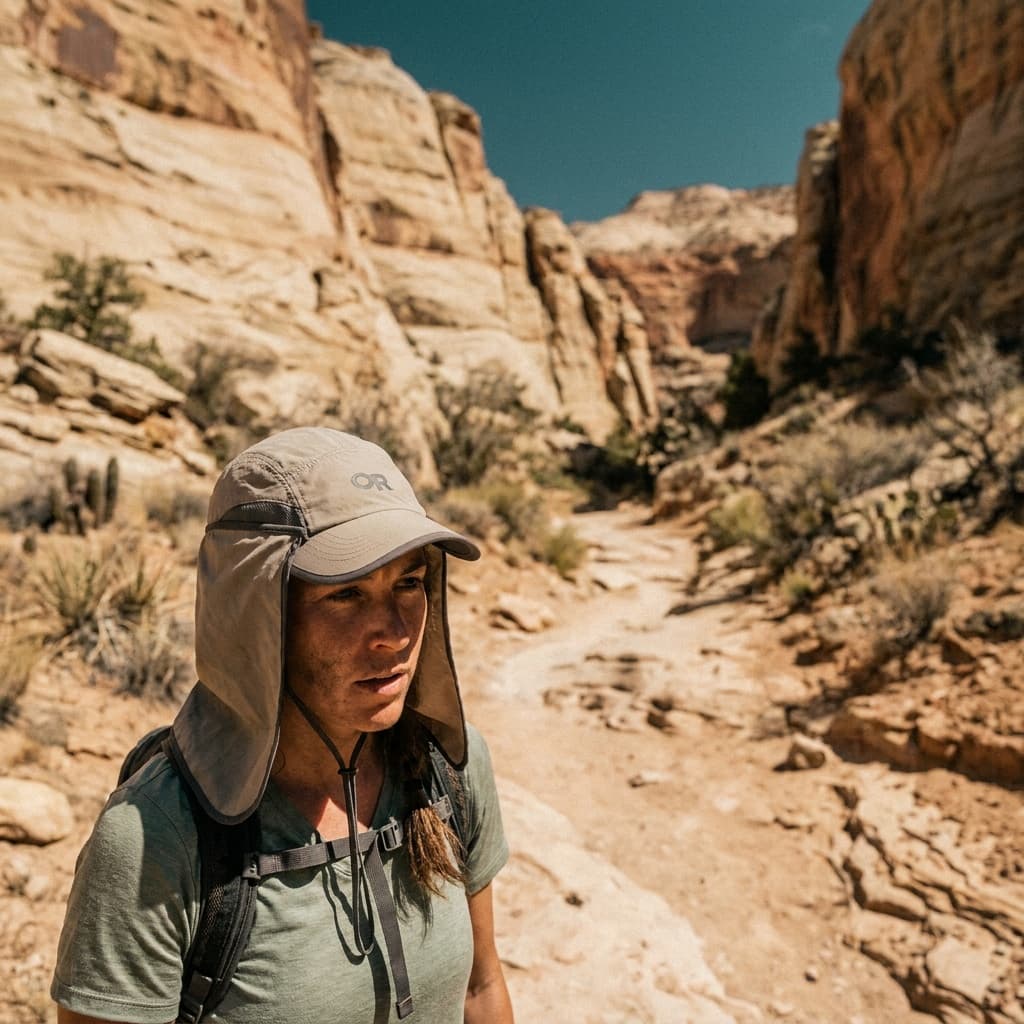
Outdoor Research Sun Runner Cap
Best Value
Kit Score 8.2/10
$43.95 Price checked Oct 23, 4:16 PM CDT
Best for: Hikers who want a cap they can wear to the trailhead and then zip on full neck protection for exposed high-altitude or canyon terrain.
- Removable cape means one hat covers both casual and high-exposure conditions without bulk
- UPF 40+ (not 50+) and a narrower 2.75 in. brim leaves cheeks more exposed than wider-brim options
- UPF Rating
- UPF 40+
- Brim Width
- 2.75 in.
- Neck Cape
- 10.75 in., fully removable
- Weight
- 3.0 oz (85 g)
- Material
- 60% recycled nylon, 40% nylon
- Chin Strap
- Yes, removable
About this pick
A trail-proven ball-cap design with a snap-off neck cape that converts it from everyday cap to full desert-mode coverage in seconds. Breathable mesh side panels and a wicking TransAction headband keep airflow moving on sustained climbs.
Strengths
- Removable cape means one hat covers both casual and high-exposure conditions without bulk
- Dark fabric under the brim and external mesh side panels help with glare and airflow
- Light at 3.0 oz, with a removable chin cord for windy ridges
Weaknesses
- UPF 40+ (not 50+) and a narrower 2.75 in. brim leaves cheeks more exposed than wider-brim options
- Cape cinched tight restricts airflow and creates a heat trap on windless days above 90 degrees F
Kit Score breakdown
COLUMBIA
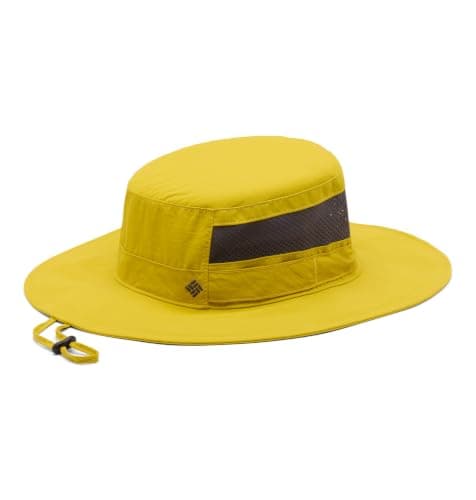
Columbia Bora Bora II Booney
Best Budget
Kit Score 6.6/10
$31.99 Price checked Oct 23, 4:16 PM CDT
Best for: Casual day hikers and new-to-gear buyers who want a reliable UPF 50 bucket hat without committing to a specialty price.
- Ventilation is genuinely above average for the price: crown mesh panels and Omni-Wick sweatband work together effectively
- Brim is floppy and stretches with repeated wet/dry cycles, losing structure over a season
- UPF Rating
- UPF 50 (Omni-Shade)
- Brim Width
- 3 in. full circumference
- Size
- One size, toggle adjustment at back
- Material
- 100% textured nylon poplin with mesh vent panel
- Ventilation
- Crown mesh vent panel + Omni-Wick sweatband
- Chin Strap
- Yes
About this pick
A lightweight, well-ventilated bucket hat with Columbia's Omni-Shade UPF 50 fabric and a wicking sweatband for hot-day comfort. It delivers the core sun protection basics at a price point that makes it easy to keep one in the car or loan to a hiking partner.
Strengths
- Ventilation is genuinely above average for the price: crown mesh panels and Omni-Wick sweatband work together effectively
- 3 in. full-circumference brim blocks overhead sun on desert and exposed ridge hikes without catching wind awkwardly
Weaknesses
- Brim is floppy and stretches with repeated wet/dry cycles, losing structure over a season
- One size only, and Columbia says the UPF 50 rating does not apply to the mesh vent panel, leaving a gap for direct overhead sun through the crown
Kit Score breakdown
Keep going
Complete loadoutDay hike kitSeven slots for a full trail day, from the pack and water system to light and weather protection.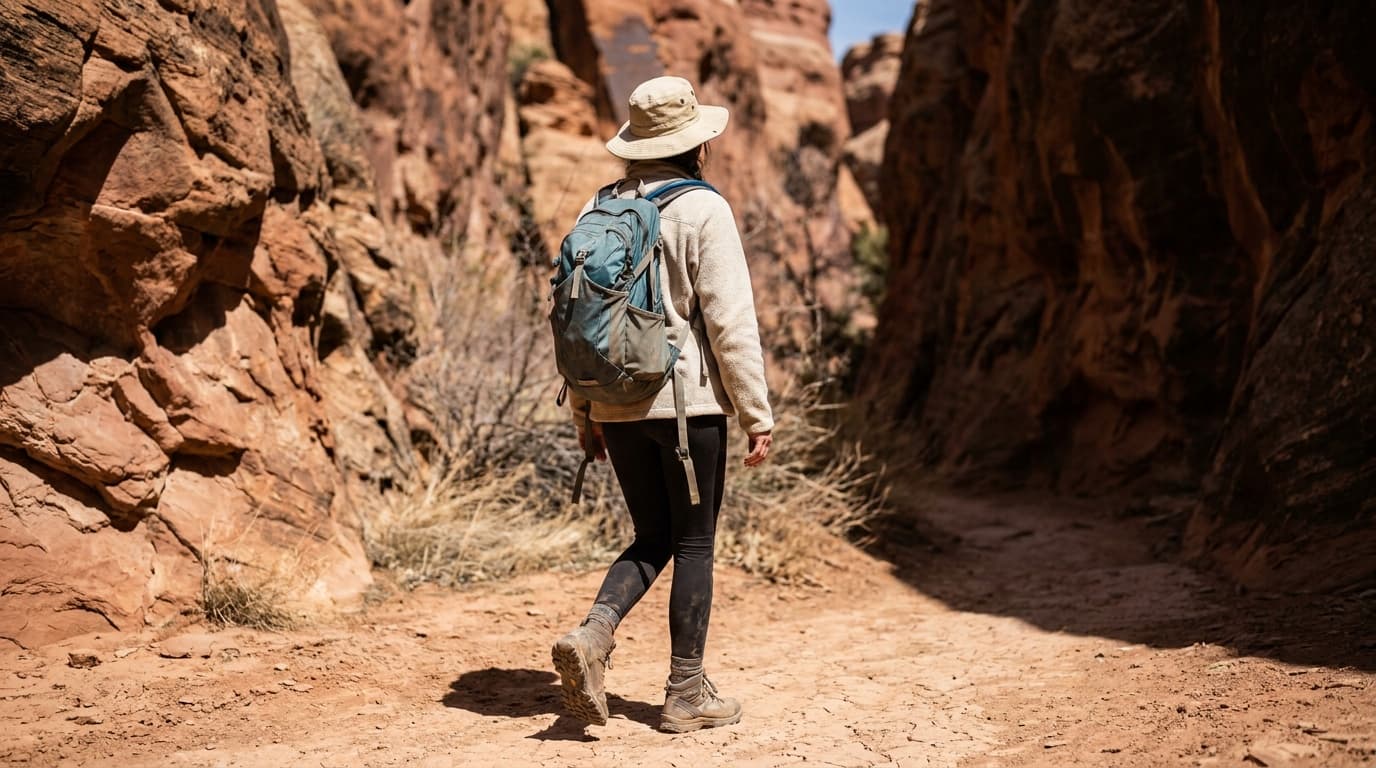
Researched, not hands-on tested
Updated Jun 4, 2026Our recommendations draw on manufacturer documentation, retailer listings, owner feedback, and comparisons with alternatives.
As an Amazon Associate I earn from qualifying purchases. We may earn a commission from links here, at no extra cost to you. How we research →