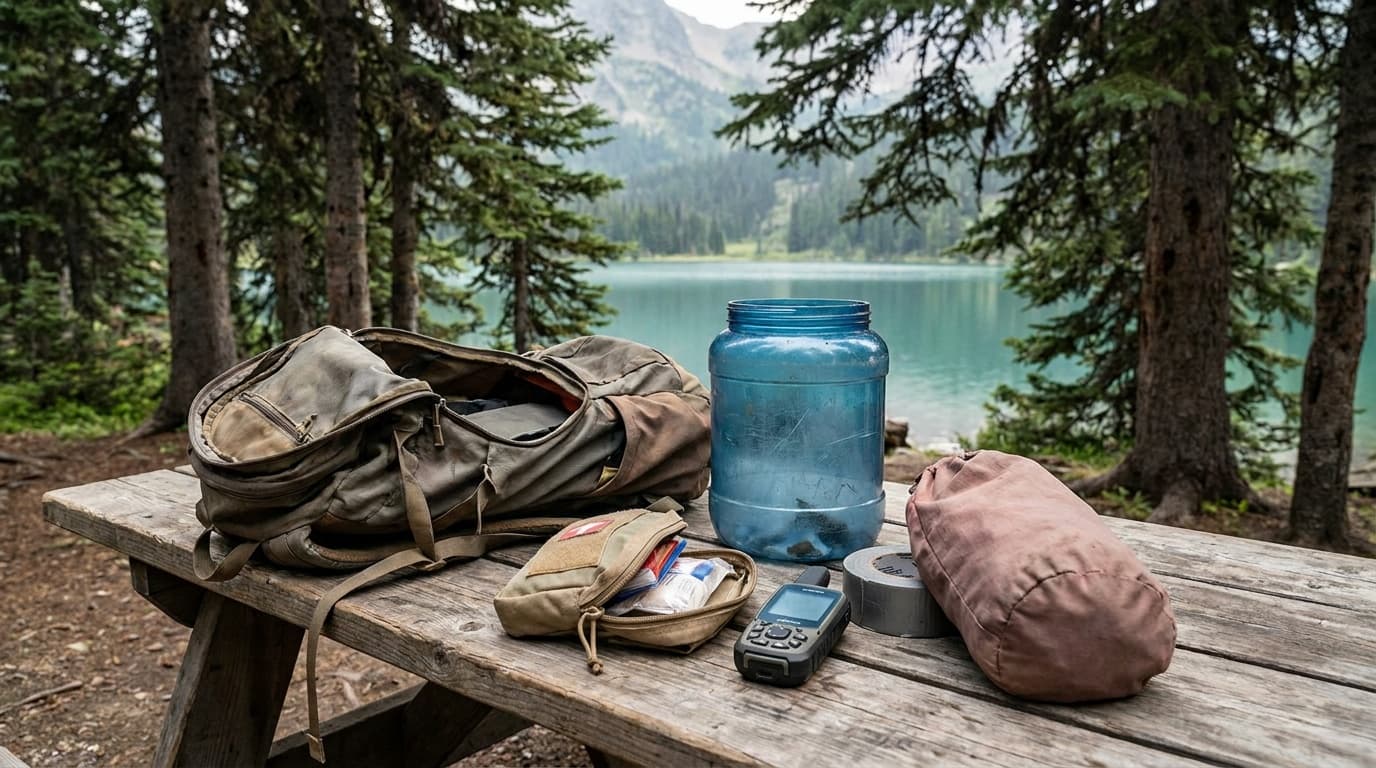
Bear canisters are no longer a "nice to have" in the backcountry. They are a legal requirement across an expanding list of national parks and wilderness areas, and the regulations are tightening every season.
Where canisters are required
The list of mandatory canister zones has grown steadily and grew again in 2026. These are the areas where a hard-sided approved canister is the only legal option for overnight food storage:
- Yosemite National Park (park-wide, all wilderness zones)
- Grand Teton, Rocky Mountain, Bryce Canyon national parks
- Gates of the Arctic, Kenai Fjords, Kobuk Valley, Wrangell-St. Elias, Katmai (Alaska units)
- Olympic National Park (all wilderness areas, updated 2026: hanging food is no longer a compliant option)
- Pemigewasset Wilderness, White Mountains, NH (mandatory starting May 1, 2026, following a sharp rise in bear conflicts from 2021 to 2025)
Seasonal or zone-specific requirements apply in Glacier, Kings Canyon, Sequoia, Lassen Volcanic, Canyonlands, and much of the PCT/JMT corridor. The requirement is zone-coded and can change by season, so "I hiked there before" is not a reliable guide.
The JMT question: can you hang food instead?
The John Muir Trail runs through multiple jurisdictions and the answer differs by section.
Through Yosemite, canisters are required with no exception. Through Inyo National Forest, a counterbalance hang (food suspended at least 15 feet high and 10 feet out from the trunk, with no rope hanging down) is still technically legal in designated green zones. In practice, the terrain and treeline on much of the route make a compliant hang extremely difficult to execute reliably, and the PCTA recommends carrying a canister for the full route rather than relying on the hang allowance.
Canister vs. hang vs. soft bag
Three food storage methods compared
Hard-sided canister
The most reliable option and the only one accepted everywhere. Too wide for a bear to bite and carry, it works above treeline and in desert terrain where trees are absent. Approved models for Yosemite include the BearVault BV425, BV450, BV475, and BV500, along with the classic [Garcia Backpackers' Cache](/api/go?product=garcia-backpackers-cache&retailer=amazon&article=do-you-need-a-bear-canister).
Counterbalance hang
Effective when executed correctly, but technically demanding. Requires the right trees at the right spacing, at least 15 feet of clearance above the food and 10 feet of horizontal distance from the trunk. Fails entirely above treeline. Bears in heavily trafficked areas learn to swat ropes. Not accepted as a substitute where canisters are required.
Soft bag (Ursack)
Lighter and IGBC-certified, the Ursack Major and Major XL are accepted in many national forests and wilderness areas. However, Yosemite and some Sierra Nevada zones do not accept Ursacks regardless of certification status. One practical note: even a compliant Ursack can result in contaminated, mangled food if a bear claws it for a prolonged period without breaching it. A hard canister prevents that damage entirely.
What the data shows
The mandatory canister program works. The numbers from Yosemite are stark.
From $659,000 in property damage to $2,484 in a single generation: mandatory canisters did not just protect gear, they protected the bears.
How to size a canister for your trip
Volume is the practical constraint. A useful baseline: one person-day of food takes roughly 100 cubic inches (about 1.6 liters) of canister space. Divide your canister's cubic-inch capacity by 100 to estimate how many days it holds.
That baseline shifts with how you pack. Calorie-dense, repackaged food can push that to 80 cubic inches per day. Bulky freeze-dried pouches can exceed 150 cubic inches per day. Removing excess packaging before the trip is the single biggest way to increase effective days of food per liter.
Sizing by trip length (solo, efficient packing)
1–2 nights
A 7 L canister like the [BearVault BV450 Jaunt](/api/go?product=bearvault-bv450-jaunt&retailer=amazon&article=do-you-need-a-bear-canister) covers this comfortably with room for scented toiletries.
4–6 days
Step up to 9.5 L (BV475). This is the most common canister for a full week on the JMT if you pack light.
7 days
An 11.5 L canister like the [BearVault BV500 Journey](/api/go?product=bearvault-bv500-journey&retailer=amazon&article=do-you-need-a-bear-canister) or Bearikade Weekender handles a full week at reasonable packing density.
Two people or beyond 7 days
Plan on two canisters, or use a high-capacity soft bag where it is permitted. Do not try to share one 11.5 L canister for a week of food for two adults.
Placement at camp
Buying the right canister is the easy part. Where you put it at camp matters as much as owning it.
Bear canister placement rules
Distance from your tent
Keep the canister at least 100 feet (roughly 70 adult steps) from where you sleep. This is not a suggestion: it is the minimum.
Away from edges and water
Bears roll and bat canisters. A canister near a cliff edge can disappear down a slope. Keep it on flat ground, not near drop-offs or stream banks.
The triangle of separation
Cook and store food at least 200 feet from your tent. Position the cooking area and the canister storage spot at separate corners of that triangle, not in the same spot. This limits scent concentration near where you sleep.
What goes inside
Food, wrappers, lip balm, sunscreen, toothpaste, and anything else with a scent. Not just food. Bears are drawn to fragrance, not calories.
Never open and unattended
Close the lid whenever you are not actively accessing it. Even a cracked lid at 20 feet from camp is a problem.
FAQ
Is hanging food still legal on the John Muir Trail?
It depends on the section. Through Yosemite, canisters are required with no hanging option. Through Inyo National Forest, a counterbalance hang (food suspended at least 15 feet high and 10 feet out from the tree trunk, with no rope hanging down) is still technically allowed in designated green zones. Because treeline and terrain make a compliant hang difficult to execute, the PCTA recommends carrying a canister for the full route rather than relying on the hang option.
Can I use an Ursack instead of a hard canister?
In many areas, yes. The Ursack Major and Major XL have passed IGBC testing and are accepted in a large number of wilderness areas and national forests. However, Yosemite, some Sierra Nevada zones, and a handful of other jurisdictions do not accept Ursacks even with IGBC certification. Always confirm with the specific land manager before your trip. One practical note: even a compliant Ursack can result in mangled food if a bear claws it for a prolonged period without breaching it. A hard canister prevents that damage entirely.
What happens if I do not use a required bear canister?
Rangers can issue citations and fines. In Yosemite, fines for improper food storage start at $250 and can climb higher for repeat violations. Your permit can also be revoked. Beyond the fine: a bear that successfully gets food becomes food-conditioned and may have to be euthanized. The regulations exist to protect bears as much as gear.
Once you know you need a canister, the next question is which one. See our guide to the best bear canisters for a breakdown of approved models by volume and weight. Browse all hike gear or read how we research and rate.
Recommended gear
Our current top picks from the Best bear canisters for backpacking (2026) guide, if you are ready to buy.
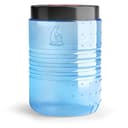
BEARVAULT
BearVault BV500 Journey
Best Overall
Kit Score 8.5/10
$99.95 Price checked Oct 23, 6:22 AM CDT
Best for: Solo backpackers and pairs planning 4–7 day trips who want the widest park acceptance and fastest access without carrying a tool.
- Tool-free lid is the fastest to open and close of any hard-sided canister
- Push-tab twist mechanism stiffens noticeably in below-freezing temps
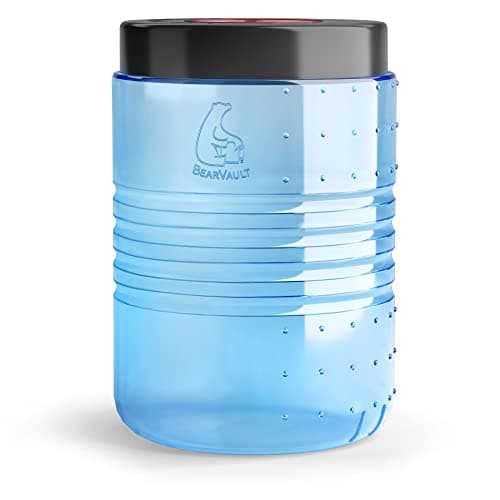
- Weight
- 2 lb 9 oz (1.16 kg)
- Volume
- 11.5 L / 700 cu in
- Dimensions
- 8.7 in diameter x 12.7 in tall
- IGBC Approved
- Yes (cert #5339, also SIBBG)
- Opening mechanism
- Tool-free push-tab twist lid
- Food capacity
- 5–7 days solo
About this pick
The BearVault BV500 is the most-seen canister on trail for good reason: it holds 11.5 liters, passes every major park approval list, and opens without carrying a coin. Transparent polycarbonate walls let you find what you packed without dumping the whole thing.
Strengths
- Tool-free lid is the fastest to open and close of any hard-sided canister
- Transparent body means you can spot your dinner from outside the canister
- Flat lid doubles as a stable camp stool or prep surface
Weaknesses
- Push-tab twist mechanism stiffens noticeably in below-freezing temps
- Transparent design is not accepted in a small number of jurisdictions that require opaque canisters
Kit Score breakdown
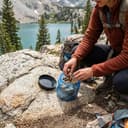
Best for: Solo hikers on 2–4 day trips who want the full BearVault experience in a lighter, more packable form without giving up IGBC certification.
- Fits vertically in nearly all packs, including 30–40 L daypacks used on weekend trips
- 7.2 L capacity cuts off at around 4 days for most hikers, so longer trips require the BV500 or food rationing
- Weight
- 2 lb 1 oz (940 g)
- Volume
- 7.2 L / 440 cu in
- Dimensions
- 8.7 in diameter x 8.3 in tall
- IGBC Approved
- Yes (cert #5340, also SIBBG)
- Opening mechanism
- Tool-free push-tab twist lid
- Food capacity
- 3–4 days solo
About this pick
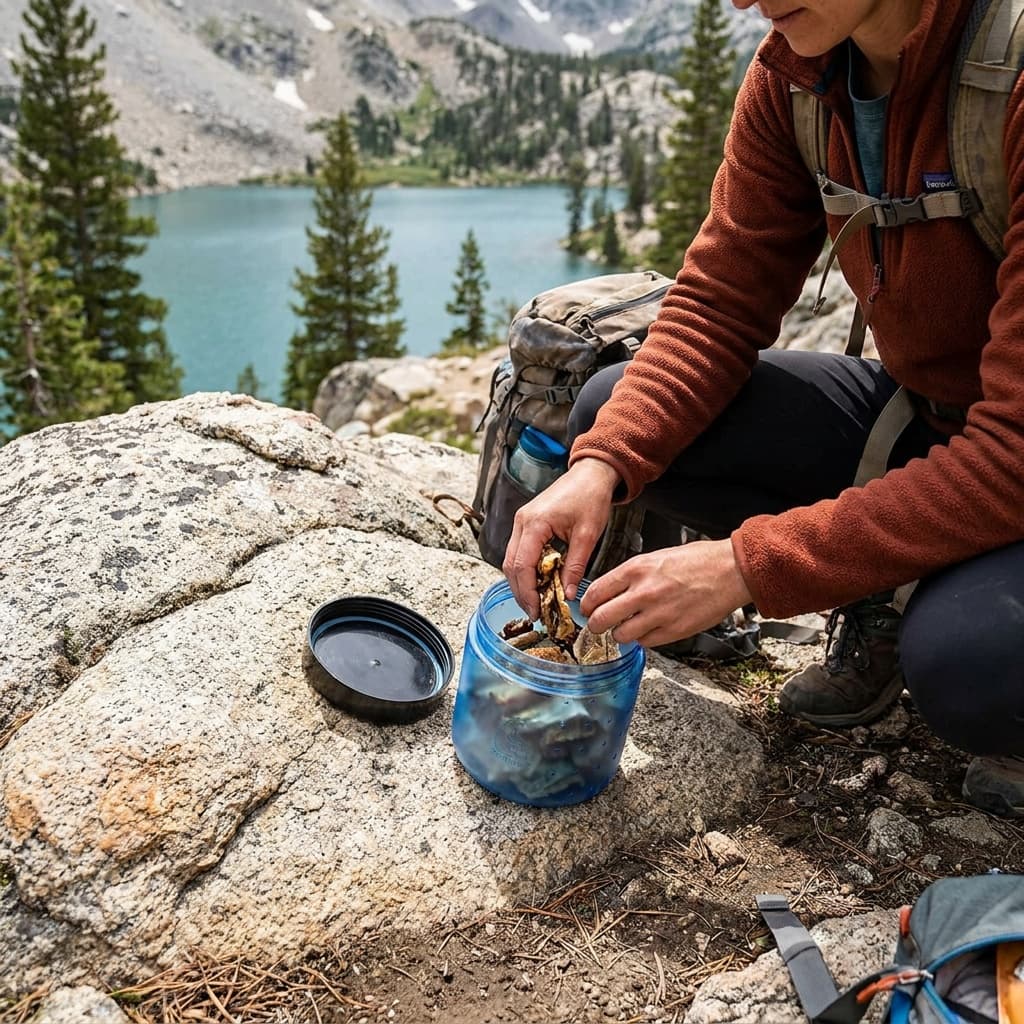
The BV450 is the BV500 trimmed down for shorter trips and smaller packs: 8 ounces lighter and squat enough to fit upright in almost any backpack. Same transparent polycarbonate, same tool-free lid, same IGBC certification at a lower price.
Strengths
- Fits vertically in nearly all packs, including 30–40 L daypacks used on weekend trips
- Same tool-free push-tab mechanism as the BV500, no coin or screwdriver needed
- Noticeably lighter than most IGBC-certified hard-sided options at 2 lb 1 oz
Weaknesses
- 7.2 L capacity cuts off at around 4 days for most hikers, so longer trips require the BV500 or food rationing
- Same cold-weather lid stiffness issue as the BV500
Kit Score breakdown
GARCIA MACHINE
Garcia Backpackers' Cache
Best Budget
Kit Score 8.7/10
$89.95 Price checked Oct 23, 6:22 AM CDT
Best for: Budget-conscious backpackers who want a no-nonsense, IGBC-certified canister with a decades-long proven record and plan to use it for 3–5 day trips.
- Longest-standing IGBC certification record in the category, accepted in every US park requiring a hard-sided canister
- Requires carrying a coin or screwdriver to open the lid, which is a minor but recurring trail annoyance
- Weight
- 2 lb 12 oz (1.24 kg)
- Volume
- 10 L / 614 cu in
- Dimensions
- 8.8 in diameter x 12 in tall
- IGBC Approved
- Yes (also SIBBG)
- Opening mechanism
- Coin or flathead screwdriver twist-lock
- Food capacity
- 3–5 days solo
About this pick
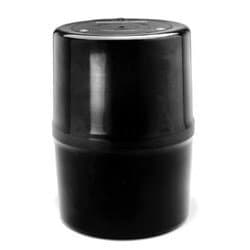
The Garcia has been on the IGBC approved list longer than any other canister and earns its place as the default budget pick: proven ABS construction, dual IGBC and SIBBG certification, and decades of reliable performance reported by owners who have used the same canister for 20-plus years.
Strengths
- Longest-standing IGBC certification record in the category, accepted in every US park requiring a hard-sided canister
- Moulded ABS construction is dense and stiff enough that owners report no failures even after 15–20 years of regular use
- Rounded oblong shape packs tightly against your back and doubles as a solid camp seat
Weaknesses
- Requires carrying a coin or screwdriver to open the lid, which is a minor but recurring trail annoyance
- Narrower opening than the BearVault makes initial loading awkward for bulkier food items
Kit Score breakdown
Keep going
Related guides
 Complete hike loadoutDay hike kitBuild the complete kit
Researched, not hands-on tested
Updated Jun 4, 2026Our recommendations draw on manufacturer documentation, retailer listings, owner feedback, and comparisons with alternatives.
As an Amazon Associate I earn from qualifying purchases. We may earn a commission from links here, at no extra cost to you. How we research →