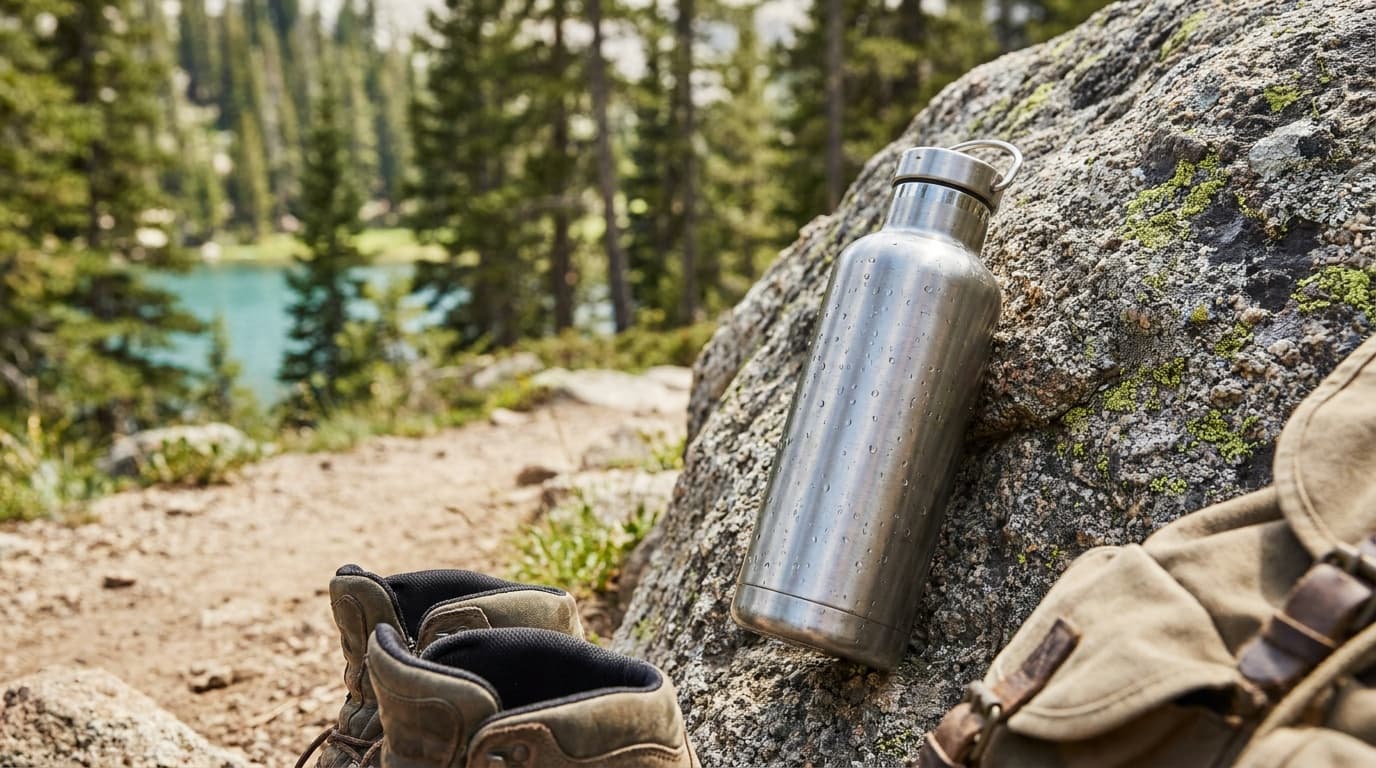
The best insulated water bottle for most hikers and daily carriers is the Hydro Flask 32 oz Wide Mouth: Hydro Flask rates it at 24 hours cold and 12 hours hot, it is dishwasher safe, and GearJunkie's 2026 testing named the same wide mouth bottle (sold with a straw cap) its best overall after it kept ice intact for a full 24 hours. For a tougher bottle, GearJunkie rates the YETI Rambler with Chug Cap its most durable pick, and for the lowest price per ounce of cold water, the Owala FreeSip and Takeya Actives are both rated for 24 hours cold.
Our quick picks
How we picked
Every pick is scored on our Kit Score: rated cold and hot retention, independent test results where they exist, lid design and leak resistance, capacity, cleaning, and owner feedback. Ratings come from the makers' own pages and Amazon listings, cross-checked against GearJunkie's hands-on insulated bottle testing. We did not test these bottles ourselves.
The picks
Best overall
BEST OVERALL
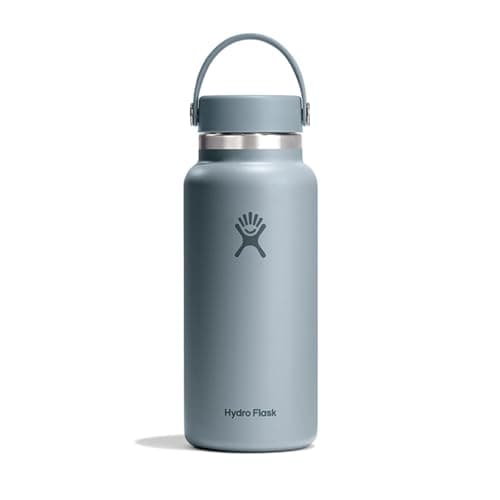
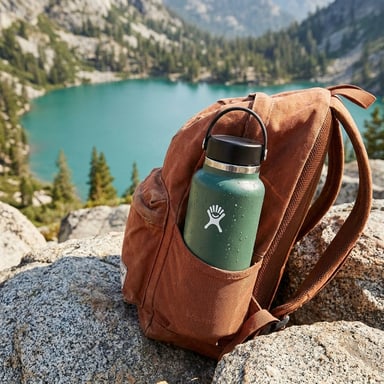
Hydro Flask 32 oz Wide Mouth with Flex Cap
Best for: Hikers, gym-goers, and daily commuters who want reliable all-day cold retention from a bottle with interchangeable lid options and a proven track record.
- Rated 24 hours cold and 12 hours hot; GearJunkie found ice still intact after a full 24 hours
- Heavy when full, per GearJunkie, at 0.97 lb empty
Kit Score 8.4/10 · Check current price · how we score gear
Buy on AmazonProduct details
The Hydro Flask 32 oz Wide Mouth is the benchmark insulated bottle: TempShield vacuum insulation rated for 24 hours cold and 12 hours hot, a wide opening that takes ice cubes and cleans easily, and a Flex Cap that is leakproof when closed. GearJunkie names the Wide Mouth its best overall insulated bottle.
- Capacity
- 32 oz (946 ml)
- Insulation
- TempShield double-wall vacuum: cold 24 hrs, hot 12 hrs
- Weight
- 0.97 lb empty (Hydro Flask)
- Size
- 3.55 in diameter x 11.0 in tall; wide mouth fits ice cubes
- Material
- Pro-grade stainless steel
- Care
- Dishwasher safe, bottle and lid
More strengths
- Wide mouth fits ice cubes directly and takes Hydro Flask's straw and chug caps
- Bottle and lid are dishwasher safe, backed by the Hydro Flask Promise warranty
Other tradeoffs
- Too wide for some smaller car cup holders
The Hydro Flask 32 oz Wide Mouth has been the default recommendation in this category for years because it does what it promises. Hydro Flask's TempShield double-wall vacuum insulation is rated for 24 hours cold and 12 hours hot, and GearJunkie's tester reported ice still intact after a full 24 hours on summer day hikes and road trips. GearJunkie also dropped its bottle on rocky trails without denting it.
The wide mouth is the detail that matters on the trail. Full-size ice cubes drop straight in, and the opening is wide enough to clean with a standard bottle brush. The included Flex Cap is leakproof when closed, and Hydro Flask sells straw and chug caps that fit the same opening, so one bottle can change with how you drink. Hydro Flask lists the bottle and lid as dishwasher safe.
The tradeoffs are weight and width. Hydro Flask lists it at 0.97 lb empty and 3.55 inches across, and GearJunkie notes it gets heavy when full and can be awkward in smaller car cup holders. It carries Hydro Flask's warranty, which the brand calls the Hydro Flask Promise.
Best premium
BEST PREMIUM
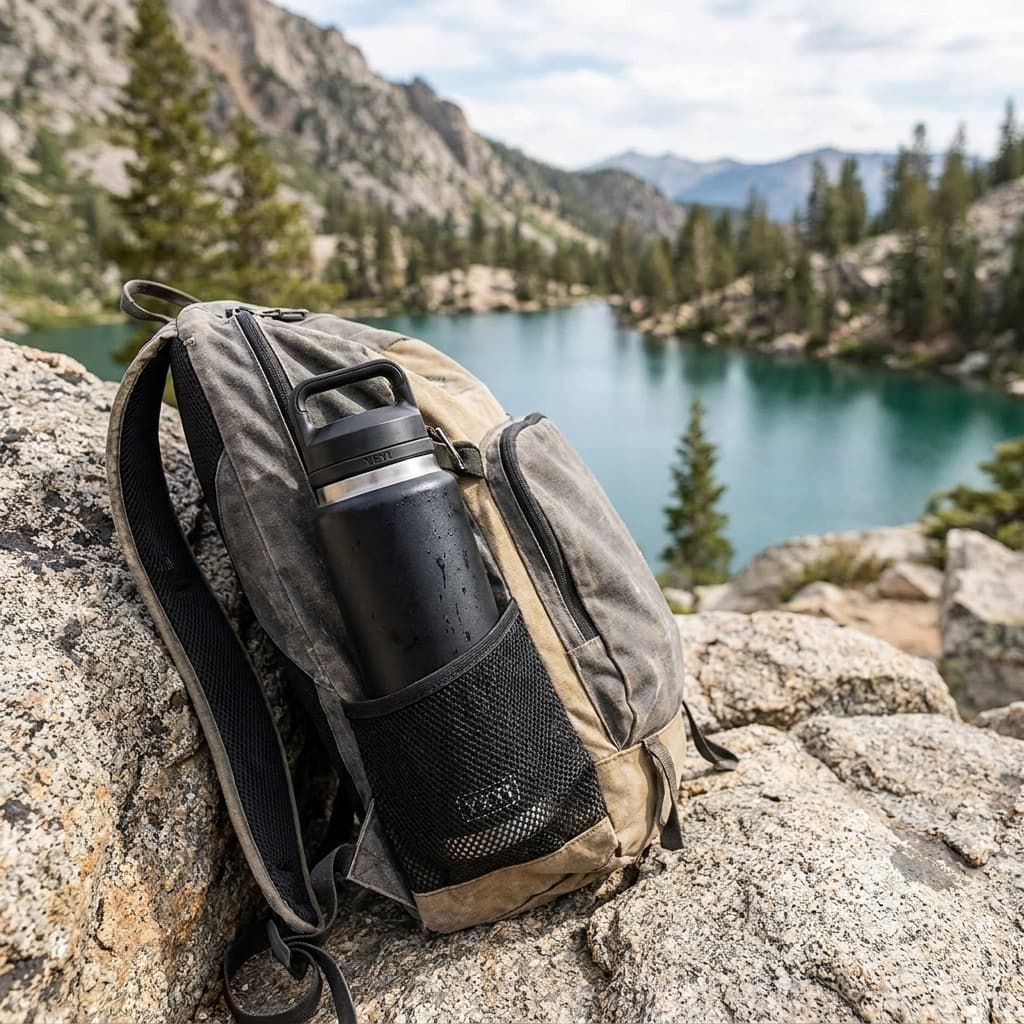
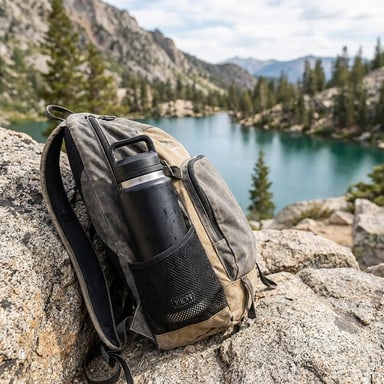
YETI Rambler 26 oz Bottle with Chug Cap
Best for: Trail runners, wilderness guides, and anyone who wants the most physically resilient insulated bottle in the group and can manage a 26 oz capacity.
- GearJunkie's most durable pick: it shrugged off drops and dings on rock
- At 26 oz it is smaller than the 32 oz options here, which means more frequent refills on longer hikes
Kit Score 8.9/10 · $40.00 Price checked Oct 23, 4:16 PM CDT · how we score gear
Buy on AmazonProduct details
The YETI Rambler 26 oz is built for people who are hard on gear. GearJunkie names the Rambler Chug its most durable insulated bottle, it is made of 18/8 kitchen-grade stainless steel and is dishwasher safe, and the leakproof Chug Cap opens with a half-twist for fast, controlled gulps.
- Capacity
- 26 oz (769 ml)
- Insulation
- Double-wall vacuum (YETI gives no hour rating); Chug Cap is for cold drinks
- Dimensions
- 3.5 in diameter x 10.5 in H
- Lid type
- Leakproof two-part Chug Cap with TripleHaul handle
- Material
- 18/8 kitchen-grade stainless steel, No Sweat exterior
- Care
- Dishwasher safe
More strengths
- Leakproof Chug Cap gives fast flow without dumping ice on your face
- Dishwasher safe, with an exterior that does not sweat
Other tradeoffs
- YETI says the Chug Cap is not intended for hot beverages, and the bottle is heavier than the Hydro Flask
The Rambler is the bottle for people who are hard on gear. GearJunkie names the Rambler Chug its most durable insulated bottle after a guide dragged it through dirt and banged it against rocks in Joshua Tree, and rates its temperature retention 9.4 out of 10. It is made of 18/8 kitchen-grade stainless steel with double-wall vacuum insulation, and YETI's listing says the exterior does not sweat and the bottle is dishwasher safe.
The Chug Cap opens with a half-twist of its TripleHaul handle and gives a narrow spout for big gulps without dumping ice on your face. YETI calls it leakproof. One rule to know: YETI says the Chug Cap is not intended for hot beverages, so this configuration is a cold bottle. Swap to a different YETI lid if you want coffee in it.
The 26 oz capacity is the other trade. It holds less than the three 32 oz picks here, and GearJunkie notes the Rambler is heavier than the Hydro Flask, so it suits guides, climbers, and hard-use days more than ultralight hiking. Everyone else should plan on an extra refill.
Best value
BEST VALUE
Owala FreeSip 32 oz Insulated Stainless Steel
Best for: Commuters, gym regulars, and light-trail day hikers who want an all-day cold bottle with a two-in-one lid and do not need hot-liquid capability.
- Patented FreeSip spout gives two drinking modes in one lid, removing the need to buy extra accessories
- Not compatible with hot or carbonated beverages; cold drinks only
Kit Score 8.7/10 · $34.99 Price checked Oct 23, 4:16 PM CDT · how we score gear
Buy on AmazonProduct details
The Owala FreeSip 32 oz earns its value badge with a clever dual-drink lid and a 24-hour cold rating at a lower price than the Hydro Flask or YETI. The FreeSip spout lets you sip upright through the straw or tilt and swig from the wider opening without swapping lids.
- Capacity
- 32 oz (946 ml)
- Insulation
- Vacuum insulated: cold up to 24 hrs (not for hot, carbonated, or perishable drinks)
- Weight
- 15.2 oz (GearJunkie)
- Lid type
- Patented FreeSip dual spout: sip via built-in straw or tilt to chug; push-to-open, lockable carry loop
- Cup holders
- Not compatible with standard car cupholders (32 oz)
- Care
- Lid top-rack dishwasher safe; Owala strongly recommends hand-washing the bottle
More strengths
- Rated for up to 24 hours cold, and GearJunkie names it the best budget insulated bottle
- Push-button cover keeps the spout clean, and the carry loop doubles as a lock
Other tradeoffs
- The 32 oz size does not fit standard car cup holders, and Owala recommends hand-washing the bottle
The Owala FreeSip solves a real problem: sipping without unscrewing anything, and chugging after a climb. Its patented FreeSip spout lets you sip upright through the built-in straw or tilt back to swig from the wider opening, and a push-button cover keeps the spout clean. GearJunkie gives it its best budget award and calls it one of the easiest bottles to drink from.
Owala rates it at up to 24 hours cold. It is a cold-drink bottle only: Owala says the stainless FreeSip is not for hot, carbonated, or perishable liquids. Owala's lids are top-rack dishwasher safe; the bottle is technically dishwasher safe, but Owala strongly recommends hand-washing to keep the finish. The 32 oz size does not fit standard car cup holders, according to its Amazon listing.
For all-day cold water at the gym, at work, or on a day hike, it is the best value in this group.
Best budget
BEST BUDGET
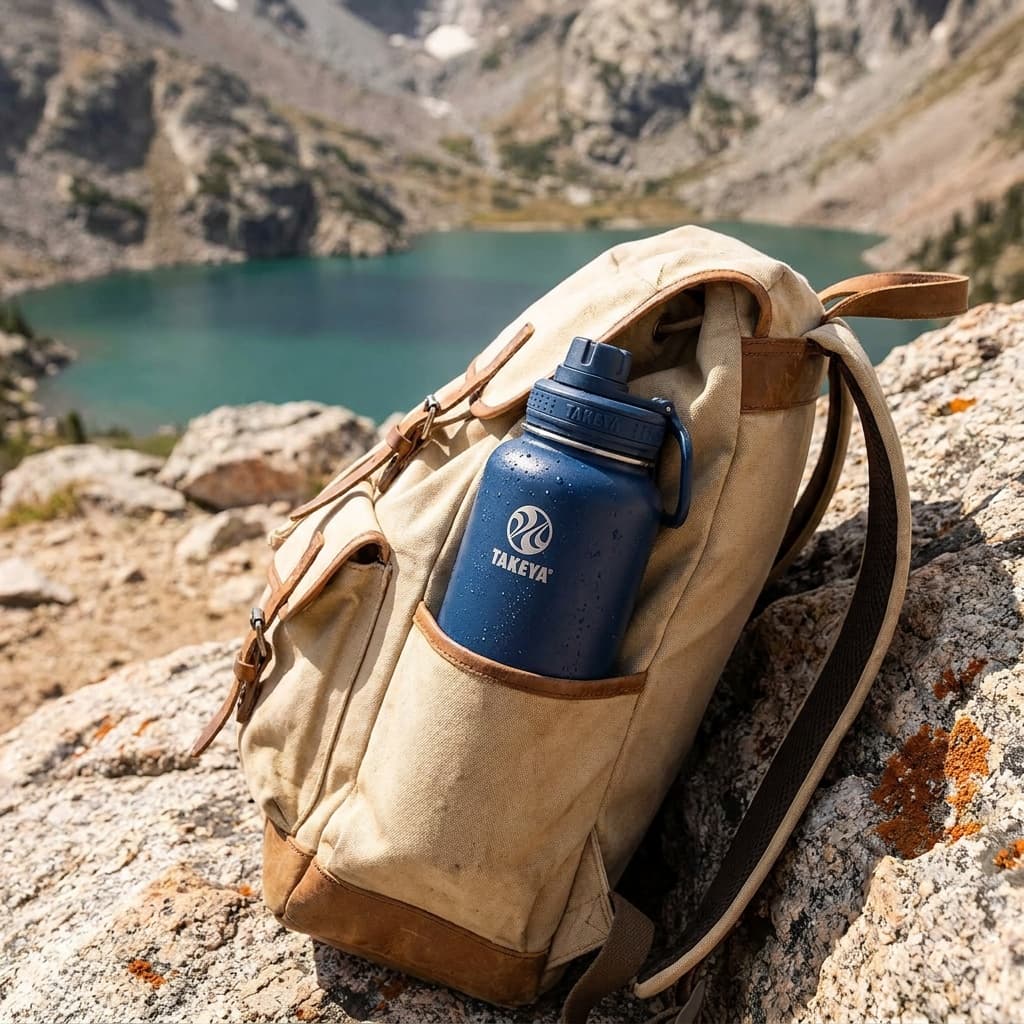
Takeya Actives 32 oz Insulated Bottle with Spout Lid
Best for: Budget-focused buyers who want real vacuum insulation, full dishwasher compatibility, and 32 oz capacity for gym sessions and day hikes without paying premium-brand prices.
- Full double-wall vacuum insulation for 24-hour cold retention at a price well below premium competitors
- Spout lid is only leakproof when closed, so keep it shut in a pack
Kit Score 8.2/10 · $34.99 Price checked Oct 23, 4:16 PM CDT · how we score gear
Buy on AmazonProduct details
The Takeya Actives 32 oz is rated for 24 hours cold and 12 hours hot, goes in the dishwasher, and comes with a removable protective bumper, for less than the Hydro Flask or YETI. For budget-conscious buyers who still want real vacuum insulation in a 32 oz format, it is the straightforward choice.
- Capacity
- 32 oz (946 ml)
- Insulation
- Double-wall vacuum: cold 24 hrs, hot 12 hrs
- Leakproof
- Spout lid screws closed for zero leakage (Takeya)
- Lid type
- Insulated spout lid with carry loop; wide-mouth opening for filling
- Material
- 18/8 food-grade stainless steel, BPA-free, powder-coated
- Care
- Dishwasher safe; removable protective bumper
More strengths
- Dishwasher safe, and the listing says it fits most car cup holders
- Removable protective bumper guards against dings and scratches
Other tradeoffs
- A spout lid has more parts to clean than a simple cap
The Takeya Actives 32 oz keeps the features that matter at a lower price. Takeya rates it at 24 hours cold and 12 hours hot, its listing specifies 18/8 food-grade stainless steel, and the spout lid screws closed for zero leakage, according to Takeya.
The spout lid opens with one hand for a controlled flow: good for the gym, fine for hiking. Keep it closed in your pack, since it is only leakproof when shut. Takeya lists the bottle as dishwasher safe, and it comes with a removable protective bumper to guard against dings and scratches. Its listing also says it fits most car cup holders, which the Owala and the Hydro Flask can struggle with.
It is the clearest recommendation for first-time insulated bottle buyers or anyone who wants a reliable second bottle for long days.
Head-to-head comparison
| Spec | Hydro Flask | YETI Rambler | Owala FreeSip | Takeya Actives |
|---|---|---|---|---|
| Kit Score | 8.4/10 | 8.9/10 | 8.7/10 | 8.2/10 |
| Price | Check current price | $40.00 Price checked Oct 23, 4:16 PM CDT | $34.99 Price checked Oct 23, 4:16 PM CDT | $34.99 Price checked Oct 23, 4:16 PM CDT |
| Best for | Hikers, gym-goers, and daily commuters who want reliable all-day cold retention from a bottle with interchangeable lid options and a proven track record. | Trail runners, wilderness guides, and anyone who wants the most physically resilient insulated bottle in the group and can manage a 26 oz capacity. | Commuters, gym regulars, and light-trail day hikers who want an all-day cold bottle with a two-in-one lid and do not need hot-liquid capability. | Budget-focused buyers who want real vacuum insulation, full dishwasher compatibility, and 32 oz capacity for gym sessions and day hikes without paying premium-brand prices. |
| Why it stands out | Rated 24 hours cold and 12 hours hot; GearJunkie found ice still intact after a full 24 hours | GearJunkie's most durable pick: it shrugged off drops and dings on rock | Patented FreeSip spout gives two drinking modes in one lid, removing the need to buy extra accessories | Full double-wall vacuum insulation for 24-hour cold retention at a price well below premium competitors |
| Tradeoff | Heavy when full, per GearJunkie, at 0.97 lb empty | At 26 oz it is smaller than the 32 oz options here, which means more frequent refills on longer hikes | Not compatible with hot or carbonated beverages; cold drinks only | Spout lid is only leakproof when closed, so keep it shut in a pack |
| Capacity | 32 oz | 26 oz | 32 oz | 32 oz |
| Rated cold / hot | 24 hr / 12 hr | Maker gives no hour rating | Up to 24 hr / cold only | 24 hr / 12 hr |
| Hot drinks with the included lid | Yes | No (Chug Cap) | No | Yes |
| Dishwasher | Bottle and lid | Yes | Lid top rack; hand-wash bottle recommended | Yes |
How to choose the right insulated bottle
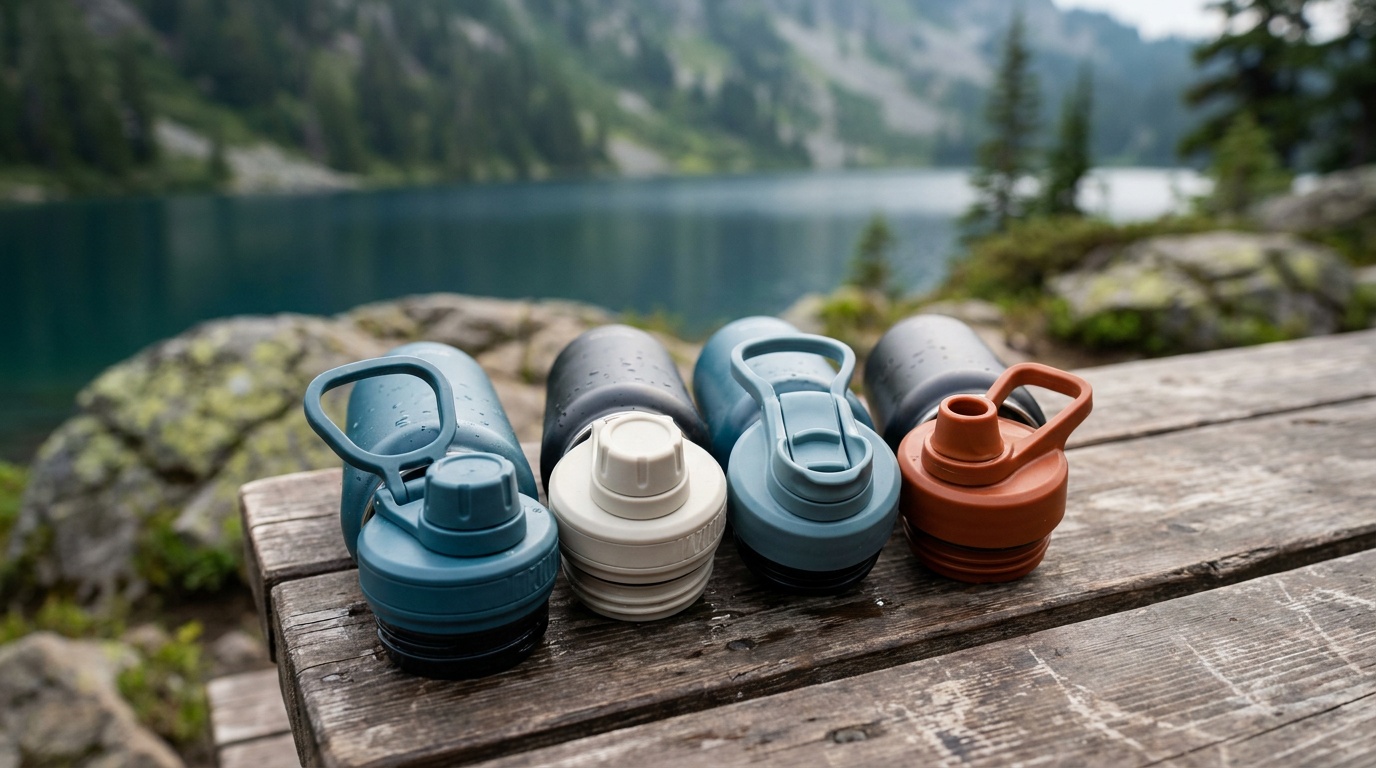
Choose the right bottle in four steps
Pick your capacity first
32 oz is the common all-day size, big enough to get between most refills on a day hike without turning into dead weight. Go bigger for long dry stretches; go 26 oz if weight matters more than volume.
Choose your lid by how you drink
Straw or spout lids let you sip while moving. Chug caps suit runners and high-output days when you want a big gulp. Plain caps are the easiest to clean but mean stopping to drink.
Decide whether hot liquids matter
The Owala FreeSip and the YETI with its Chug Cap are for cold drinks. The Hydro Flask with its Flex Cap and the Takeya are rated 12 hours hot, so either can carry morning coffee.
Match durability to use
GearJunkie rates the YETI Rambler its most durable pick, and its Hydro Flask survived drops on rocky trails without denting. The Takeya's removable bumper adds protection for gym floors and car trips.
The best insulated bottle is the one you refill every day without thinking about it.
Frequently asked questions
What is the best insulated water bottle?
For most people, the Hydro Flask 32 oz Wide Mouth. Hydro Flask rates it at 24 hours cold and 12 hours hot, it is dishwasher safe, and GearJunkie's 2026 testing named the Hydro Flask Wide Mouth its best overall insulated bottle after it held ice for a full 24 hours. Pick the YETI Rambler if durability comes first, or the Owala FreeSip if you only drink cold water and want the best value.
How long do insulated water bottles actually keep drinks cold?
The makers of three picks here rate them at 24 hours cold: Hydro Flask, Owala, and Takeya. Those ratings assume the bottle starts cold and stays closed. In GearJunkie's testing, the Hydro Flask Wide Mouth kept ice intact for a full 24 hours. Direct sun, opening the lid often, and starting with a warm bottle all shorten real-world cold time, while pre-chilling and using large ice cubes stretch it.
What is the difference between wide mouth and standard mouth insulated bottles?
Wide mouth bottles accept full-size ice cubes, are easier to clean by hand, and take a wider range of straw and chug lids. Standard mouth bottles pour more slowly, which some people prefer for drinking straight from the bottle. For hiking, the wide mouth is usually the better choice because ice and cleaning access matter more on the trail.
Are insulated water bottles safe to put in a dishwasher?
For three of these four, yes. Hydro Flask lists the 32 oz Wide Mouth bottle and lid as dishwasher safe, YETI lists the Rambler as dishwasher safe, and Takeya lists the Actives as dishwasher safe. Owala's lids are top-rack dishwasher safe, but Owala strongly recommends hand-washing the stainless bottle to protect its finish. Check the lid you own, since care can differ between lids.
Where these numbers come from
| Claim | Source | Checked |
|---|---|---|
| Hydro Flask 32 oz Wide Mouth: 24 hours cold, 12 hours hot, TempShield double-wall vacuum insulation, leakproof when closed, dishwasher safe, 0.97 lb, 3.55 in diameter, Hydro Flask Promise | Hydro Flask, 32 oz Wide Mouth | Sep 2026 |
| Hydro Flask Wide Mouth (Travel Bottle version) named best overall; ice intact for a full 24 hours; dropped on rocky trails without denting; heavy when full; too wide for some cup holders | GearJunkie, The Best Insulated Water Bottles of 2026 | Sep 2026 |
| YETI Rambler Chug named most durable; temperature retention 9.4/10; heavier than the Hydro Flask | GearJunkie, The Best Insulated Water Bottles of 2026 | Sep 2026 |
| YETI Rambler 26 oz: 18/8 kitchen-grade stainless steel, double-wall vacuum insulation, No Sweat exterior, dishwasher safe, leakproof Chug Cap not intended for hot beverages, 10.5 in high, 3.5 in diameter | YETI Rambler 26 oz listing on Amazon, ASIN B0842S56G8 | Sep 2026 |
| Owala FreeSip named best budget pick; not for hot liquids | GearJunkie, The Best Insulated Water Bottles of 2026 | Sep 2026 |
| Owala FreeSip 32 oz: cold up to 24 hours, FreeSip straw-or-swig spout, push-button lid, not compatible with standard car cupholders | Owala FreeSip 32 oz listing on Amazon, ASIN B09SJRBMP3 (the earlier ASIN B085DVNHHK showed only third-party offers on 2026-10-10; the same bottle in another color) | Oct 2026 |
| Owala: lids top-rack dishwasher safe, hand-washing the bottle strongly recommended, stainless FreeSip not for hot, carbonated, or perishable liquids | Owala, FAQ | Sep 2026 |
| Takeya Actives with Spout Lid: 24 hours cold, 12 hours hot, dishwasher safe, screws closed for zero leakage, removable protective bumper | Takeya, Actives Water Bottle With Spout Lid | Sep 2026 |
| Takeya Actives 32 oz: 18/8 food-grade stainless steel, fits most car cup holders | Takeya Actives 32 oz listing on Amazon, ASIN B072QRW9KH | Sep 2026 |
We did not test these bottles ourselves. Cold and hot hours are the makers' ratings under their own test conditions, and durability and ice-retention notes come from GearJunkie's published testing and owner feedback.
The right insulated water bottle is a piece of gear you touch dozens of times a day. Any of these four will keep water cold through a full trail day; the right one depends on capacity, how you like to drink on the move, and whether you want hot drinks too.
Browse more gear picks on the hike hub, or learn more about how we research and rate every product on this site.
Keep going
Free toolHiking Water CalculatorHow much water to carry for the distance and the heat.Related guides
 Complete hike loadoutDay hike kitBuild the complete kit
Our recommendations draw on manufacturer documentation, retailer listings, owner feedback, and comparisons with alternatives.
As an Amazon Associate I earn from qualifying purchases. We may earn a commission from links here, at no extra cost to you. How we research →