When to go
Conditions, crowds, and what each season asks you to pack.
Spring
Highs climb from the 50sF in March to the upper 70sF by late May, with frequent rain showers.
Pack A packable rain shell and comfortable walking shoes for damp riverfront paths.
Summer
Hot and humid, with highs in the upper 80s to low 90sF and high humidity.
Pack Sun hat, water bottle, and light breathable clothing for open, shadeless grounds.
Fall
Comfortable and clear, highs in the 60s to 70sF cooling through November.
Pack A light layer for cool mornings and a camera for fall color along the river.
Winter
Cold, highs in the 30s to 40sF with occasional snow or ice.
Pack Warm coat, hat, and gloves for windy, exposed walks between the Arch and Old Courthouse.
Crowds by month, from NPS visit counts
Busiest: July. An average July brings about 491,000 recreation visits to Gateway Arch, roughly 15,900 a day.
Quietest: January. About 65,300 visits, 13% of the busiest month. Crowds stay low December to February.
- Low
- Moderate
- High
- Peak
Bar height is each month's average visits compared with the busiest month. Low is under 25% of that peak, Moderate 25 to 49%, High 50 to 74%, Peak 75% and up.
See the monthly numbers
| Month | Avg visits | Share of year | Crowds |
|---|---|---|---|
| January | 65,303 | 3% | Low |
| February | 82,951 | 3% | Low |
| March | 219,450 | 9% | Moderate |
| April | 196,677 | 8% | Moderate |
| May | 221,640 | 9% | Moderate |
| June | 296,744 | 12% | High |
| July | 491,427 | 20% | Peak |
| August | 271,608 | 11% | High |
| September | 170,689 | 7% | Moderate |
| October | 177,981 | 7% | Moderate |
| November | 135,606 | 6% | Moderate |
| December | 113,560 | 5% | Low |
Source: NPS Visitor Use Statistics, monthly recreation visits, averaged over 2023–2025. October and November 2025 are left out of the averages because of the federal government shutdown. Visits count entries, not unique people. NPS monthly report for Gateway Arch · Crowd calendar for all 63 parks
Gateway Arch weather by month
Average daily highs and lows, plus monthly precipitation, from NOAA's 1991-2020 climate normals for St. Louis, the city's official long-record station. Shaded months are the park's best season. Tap a month to build a pack list for it.
| Month | Jan | Feb | Mar | Apr | May | Jun | Jul | Aug | Sep | Oct | Nov | Dec |
|---|---|---|---|---|---|---|---|---|---|---|---|---|
| High (F) | 40 | 46 | 57 | 68 | 77 | 86 | 90 | 88 | 81 | 69 | 56 | 45 |
| Low (F) | 24 | 28 | 37 | 47 | 58 | 67 | 71 | 69 | 61 | 49 | 37 | 29 |
| Precip (in) | 2.6 | 2.2 | 3.5 | 4.7 | 4.8 | 4.5 | 3.9 | 3.4 | 3.0 | 3.2 | 3.4 | 2.5 |
| Snow (in) | 5.7 | 4.3 | 2.3 | 0.2 | 0.0 | 0.0 | 0.0 | 0.0 | 0.0 | 0.0 | 0.9 | 3.2 |
Station ST LOUIS LAMBERT INTL AP (USW00013994), 531 ft, a gateway station about 14 miles from the Gateway Arch. Downtown along the riverfront usually runs a little warmer than the airport.
Source: NOAA NCEI U.S. Climate Normals, 1991-2020 monthly averages. Averages describe a typical year, not a forecast; check current conditions and alerts before you go. Precipitation includes the water in melted snow.
Top things to do
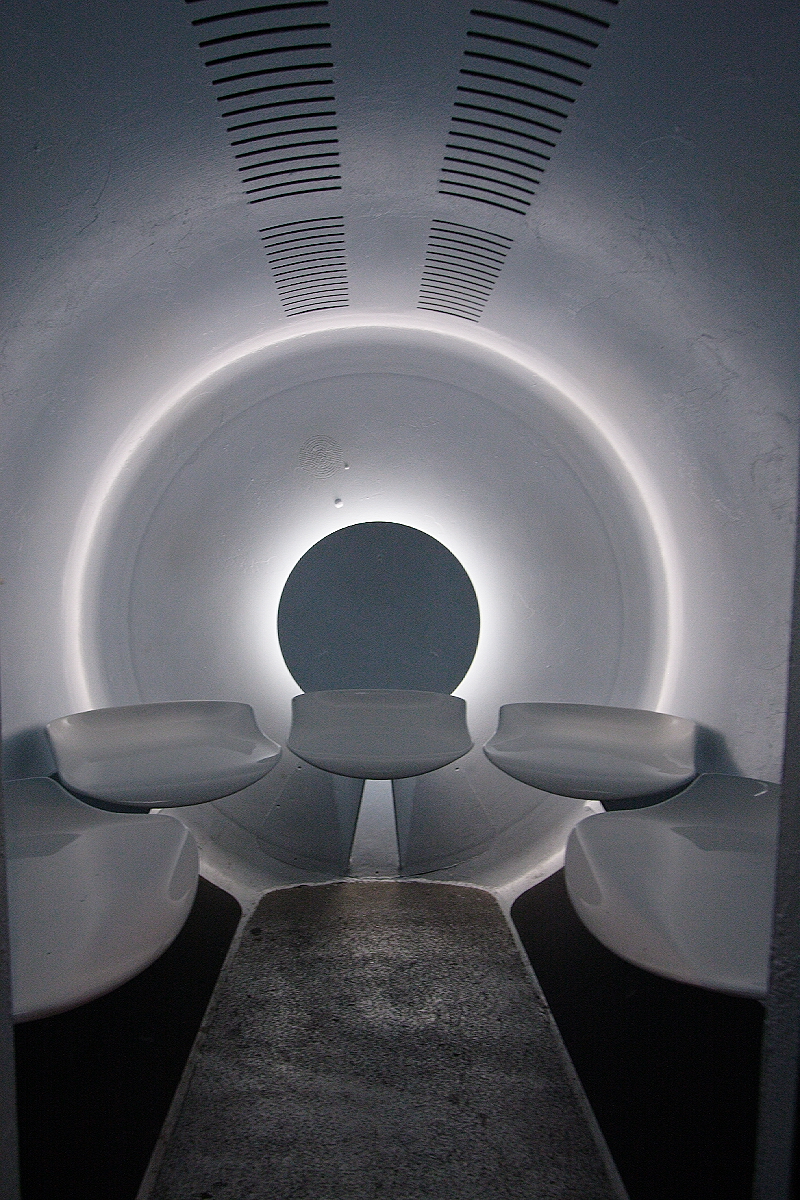
Tram Ride to the Top
A four-minute capsule ride up the leg of the Arch to a 630-foot observation deck over the city and river.
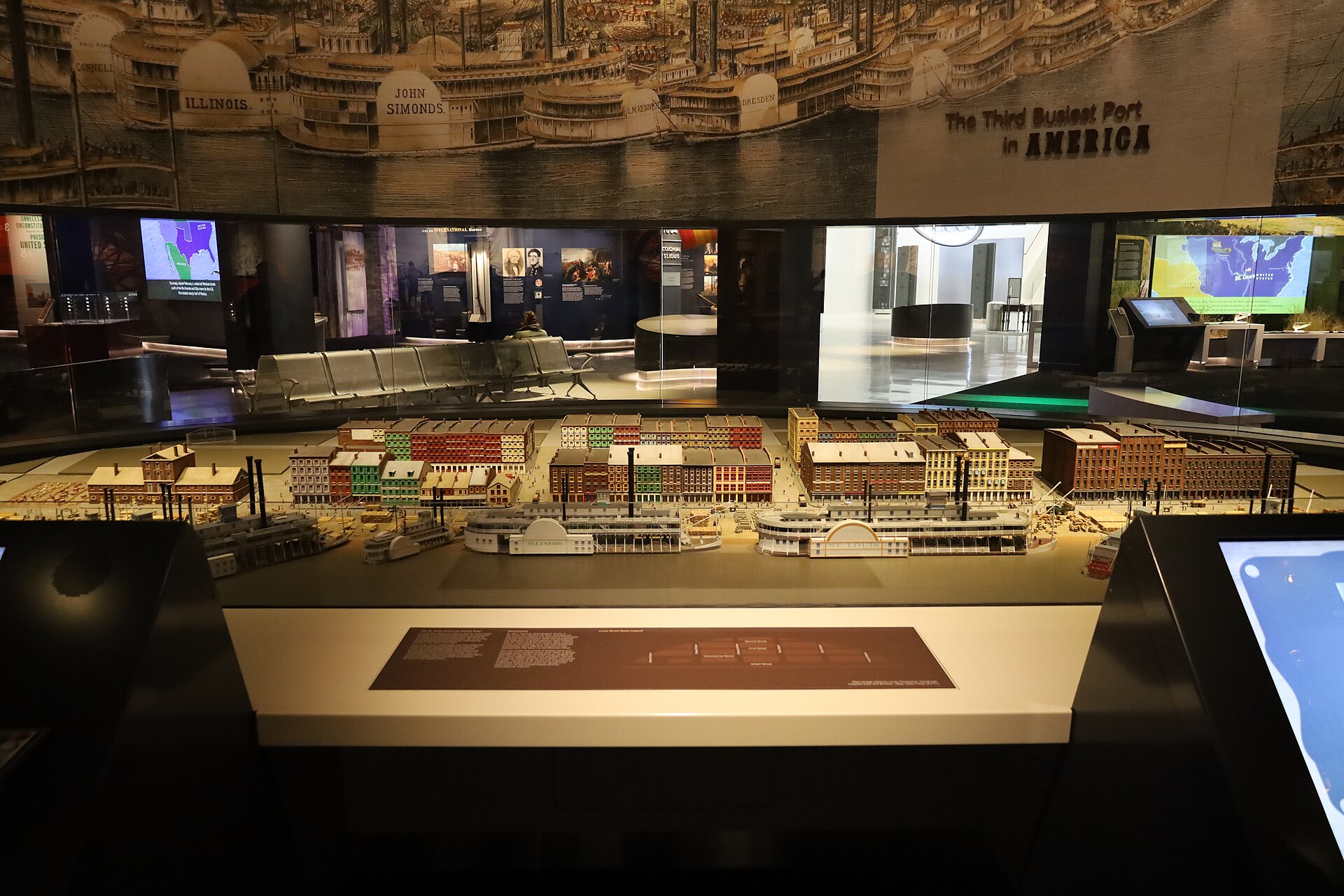
Museum at the Gateway Arch
Free underground museum on Westward Expansion and the Arch's construction, right beneath the monument.
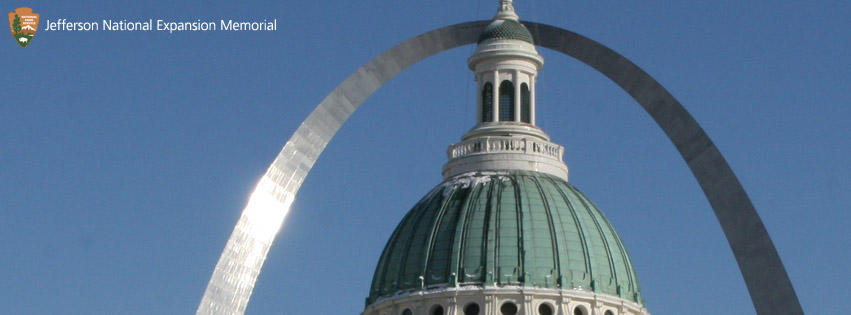
The Old Courthouse
Restored historic courthouse, site of the Dred Scott case, a short walk from the Arch.
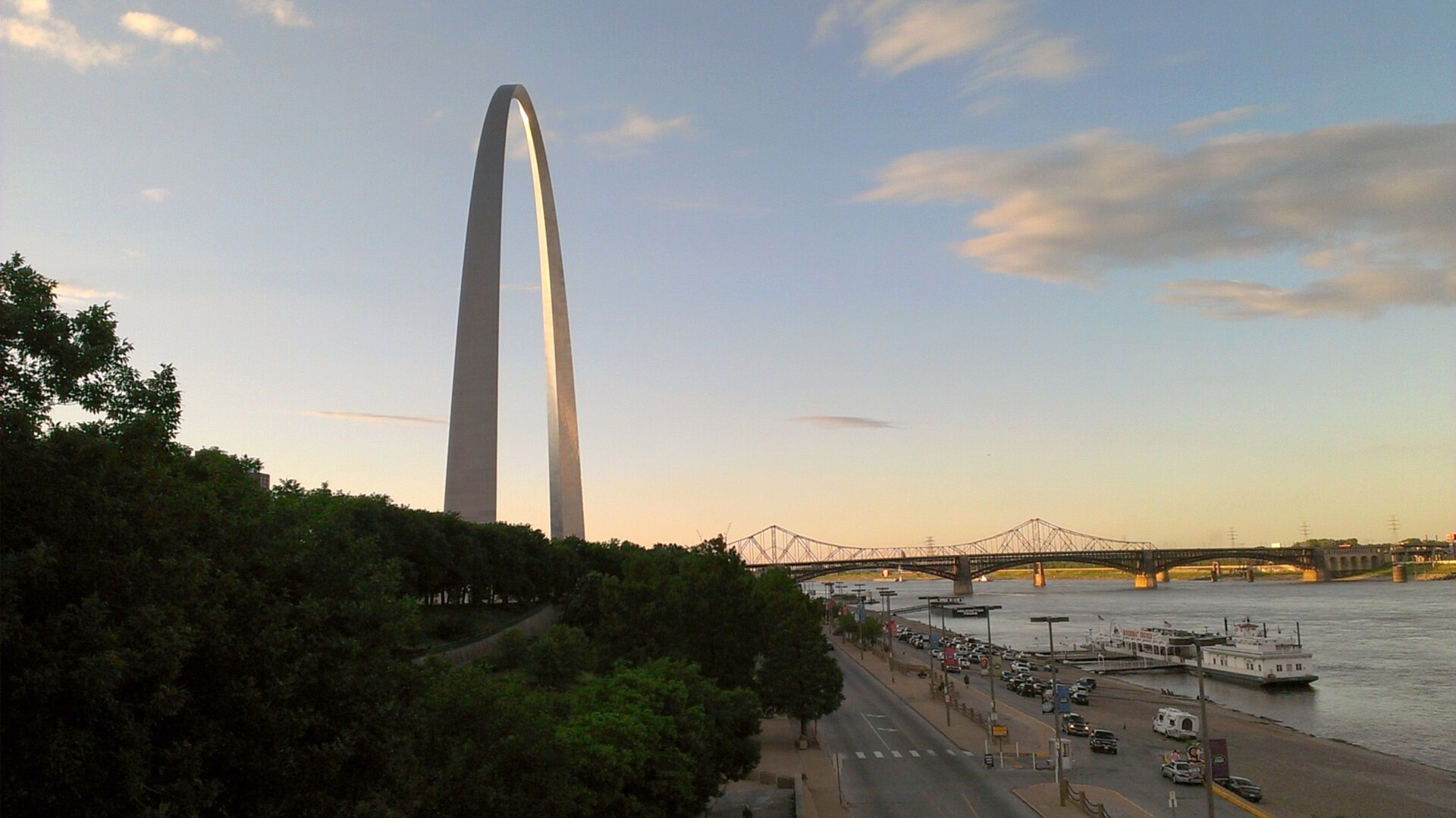
Gateway Arch Riverfront
Paved path along the Mississippi where you can watch barges and board a sightseeing riverboat cruise.
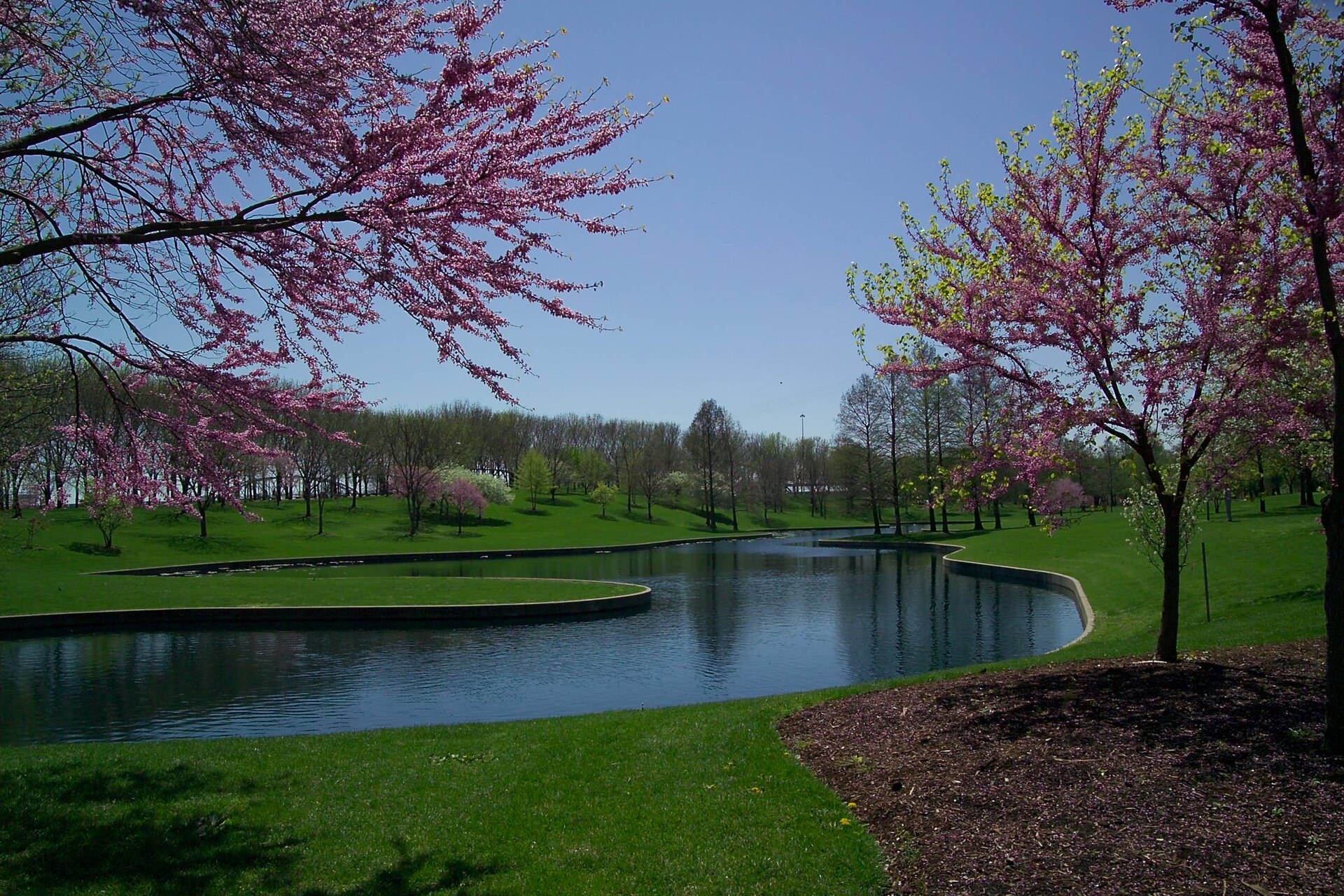
The Grounds and Reflecting Ponds
Landscaped 91-acre park with tree-lined walkways framing the Arch for the classic photo.
Make Tram Ride to the Top the timed anchor
Put the timed or highest-demand stop first, then keep the rest of the day close and low-friction. For one day in Gateway Arch, time Tram Ride to the Top first, then keep Museum at the Gateway Arch and The Old Courthouse close enough that the visit still feels relaxed.
- 1Start with Tram Ride to the Top: A four-minute capsule ride up the leg of the Arch to a 630-foot observation deck over the city and river.
- 2Add Museum at the Gateway Arch: Free underground museum on Westward Expansion and the Arch's construction, right beneath the monument.
- 3Use The Old Courthouse as the slower finish before leaving the area.
Where to stay
Stay strategy
Sleep where the first morning stays simple.
Stay strategy
Sleep downtown for the Arch, branch out only for price or neighborhood feel.
Gateway Arch is a downtown visit, so the lodging decision is about walking, parking, and what else you want from St. Louis. Downtown hotels make the tram, museum, Old Courthouse, riverfront, and Ballpark Village easy on foot. Neighborhood bases work when value, restaurants, or a quieter night matter more.
- Park lodging
- None
- Best car-light base
- Downtown St. Louis
- Transit option
- MetroLink to the Arch area
- Key ticket
- Timed tram tickets
Compare base options
Compare each base by the first morning: where you park, what you ride, and how many decisions happen before the trail or viewpoint.
Paid links: we may earn a commission if you book, at no extra cost to you.
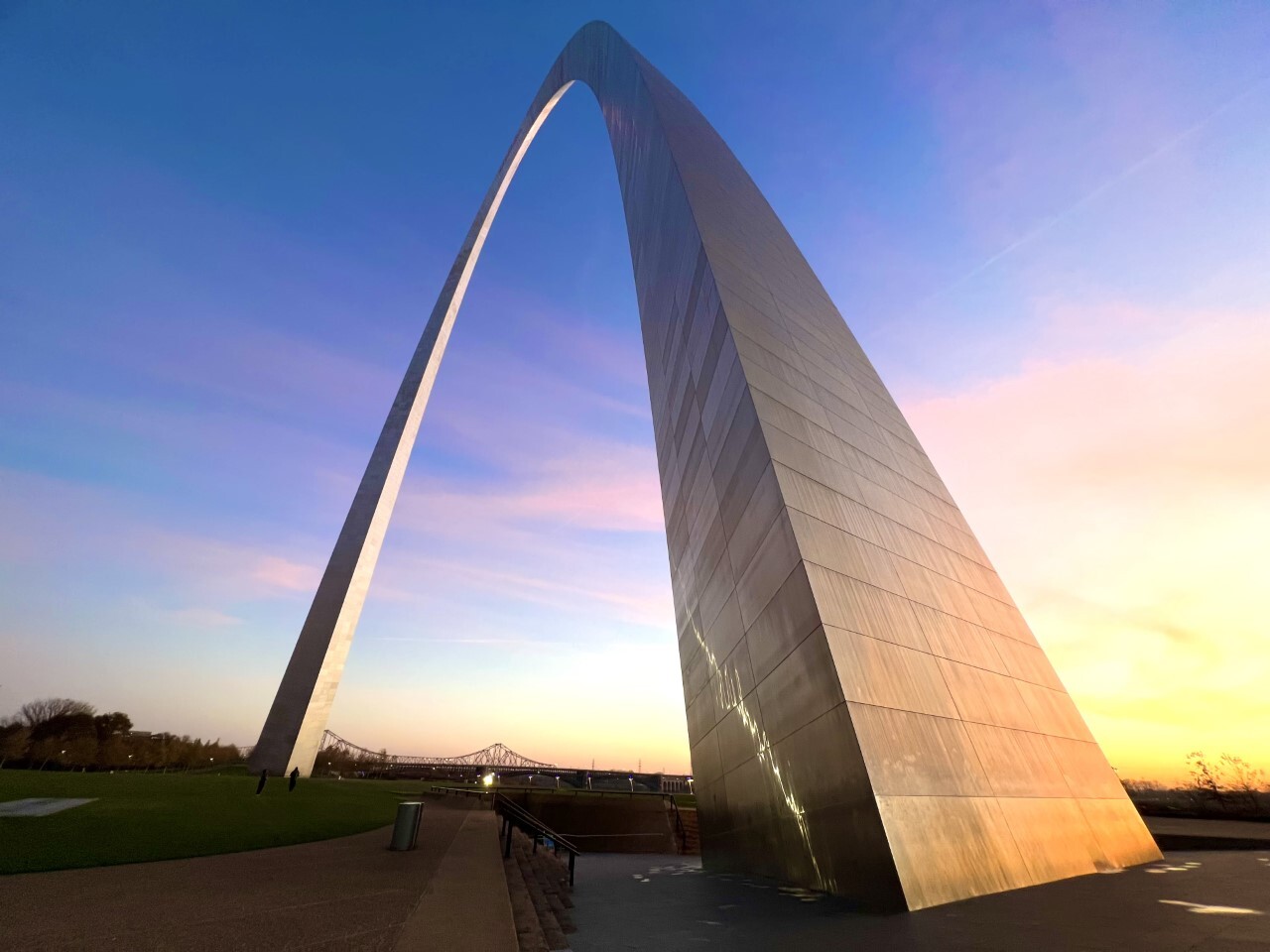
Walkable visit
Downtown and riverfront hotels
- Best for
- Tram tickets, museums, riverfront walks, Ballpark Village, and short visits without parking friction
- Tradeoff
- Higher rates on event weekends and paid parking.
Planning detail
Stay here if Gateway Arch is the center of the day. You can walk to timed tram entry, security, the museum, the Old Courthouse, and the riverfront without moving the car.
Neighborhood base
Central West End or Clayton
- Best for
- Restaurants, quieter evenings, and better hotel value on busy downtown dates
- Tradeoff
- You will drive or ride MetroLink to reach the Arch.
Planning detail
This makes sense for a fuller St. Louis weekend where the park is one anchor, not the only plan.
Budget reach
Illinois side
- Best for
- Lower hotel prices within a short drive
- Tradeoff
- Less walkability and more bridge traffic planning.
Planning detail
Use this when room rates downtown spike. Keep tram timing and parking in mind, since all visitors pass security before entry.
Ticket first
Buy the tram time before you decide how relaxed the morning can be.
Security
Build arrival buffer into any tram reservation, especially on weekends.
Camping reservations
Camping reservations
You cannot camp at Gateway Arch: it is 91 acres of downtown St. Louis, and the entire park is closed to camping.
There is no campground, no backcountry, and no overnight option of any kind at Gateway Arch; the park's own rules close the whole site to camping. Book a downtown hotel within walking distance of the Arch, or camp outside the city at a Missouri state park like Babler, about 30 miles west.
Reviewed June 11, 2026
Booking window
Nothing to book in the park; the nearest public campgrounds are Missouri state parks with their own reservation systems.
- The superintendent's compendium closes the entire park to camping, and the grounds are day-use only on the downtown riverfront.
- The thing you actually need to reserve here is the tram ride to the top of the Arch, which sells out on busy days.
- Dr. Edmund A. Babler Memorial State Park is the closest sizable public campground, with basic, electric, and full-hookup sites about 30 miles west of downtown.
Where to book or verify
Tram tickets, tours, and hours; this is an urban day-use park.
The closest substantial public campground, run by Missouri State Parks.
Check for federal campground, backcountry, tour, and permit inventory tied to this park.
Use this for wilderness permits, timed systems, tours, and other park-specific reservations.
Campgrounds to know
Dr. Edmund A. Babler Memorial State Park
Details- Booking
- Reserve through Missouri State Parks.
- Season
- Check the Missouri State Parks page for current dates.
- Sites
- Basic, electric, and sewer/electric/water campsites plus an organized group camp.
- The practical camping base for a St. Louis trip, roughly 30 miles west of the Arch in Wildwood.
Getting there and practical info
Plan the handoff from arrival to shuttle.
Parking, pedestrian entrances, and shuttle timing decide how calmly the first morning starts.
Getting there
Get to Gateway Arch, then remove the first-morning friction.
- Nearest airport
- St. Louis Lambert International Airport (STL), about a 20 to 25 minute drive northwest of the park
- Access rhythm
- Plan the last mile
- Region
- Missouri
Fly in
Fly into St. Louis Lambert International Airport (STL) and drive about 20 to 25 minutes southeast into downtown, or take the MetroLink light rail straight to the Arch station.
Car strategy
By car, the park sits just off Interstate 70 and Interstate 44 at the riverfront; use the underground garage or nearby paid lots since on-street parking is limited.
Fly in
The Arch entrance is at 11 North 4th Street, and all visitors pass through airport-style security before entering, so arrive early for your tram time.
Book ahead
- Rental cars at St. Louis Lambert International Airport (STL)Paid link, Economybookings
- Guided tours in Gateway ArchPaid link, Viator
Paid links: we may earn a commission if you book, at no extra cost to you.
Pair this with lodging: sleep where the park transfer is simple, especially if your route needs an early start.
Plan your trip
Build one complete pack brief from Gateway Arch's season, activity, and trip length. Fine-tune an individual calculation only if you need it.
What to pack
Start with the gear decisions Gateway Arch changes: water, footing, weather, and overnight needs. The checklist is there once your route and dates are set.
Kit Authority
Gateway Arch packing list
0 of 12 packed. Check items as you pack, then take this list to the store, trailhead, or campsite.
Pack planning
Decide what Gateway Arch asks of your kit before you start checking boxes.
Use this as a constraint check while you are still shaping the trip. The active checklist becomes useful once your route, dates, and sleep plan are set.
- First constraintHydration and exposureWater, Electrolyte mix, hat, sunscreen, sunglasses, 4 more
- Season checkLayers for conditionsMoisture-wicking base layers, Rain jacket, Insulated jacket, 1 more
Checklist mode
12 items, grouped for the trip you are actually taking.
- Dates and season are set.
- Primary route, campground, or lodge is chosen.
- Water, footwear, and overnight needs are sized.
One researched pick
The first gear decision for Gateway Arch
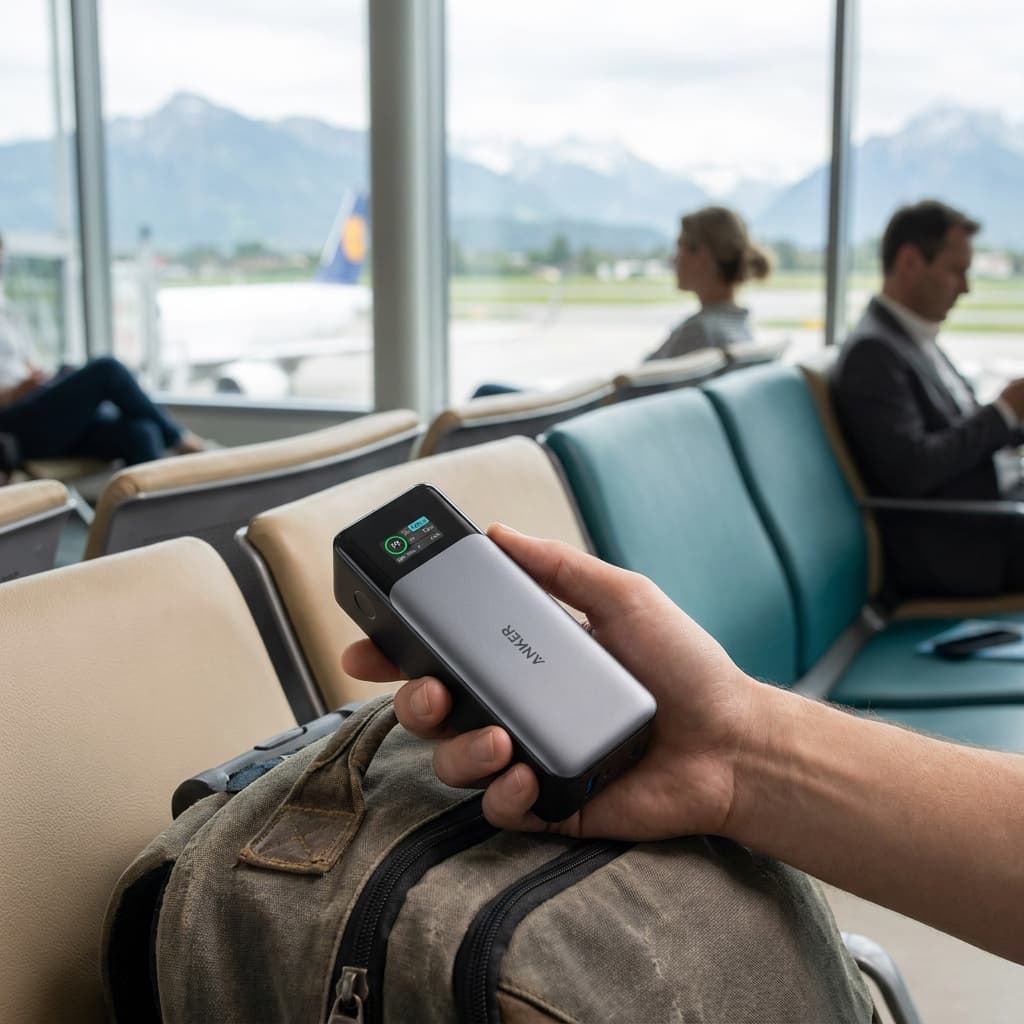
Offline maps, photos, and long drives make a high-capacity power bank a practical trip backup.
We may earn a commission from links on this page, at no extra cost to you. Product prices and availability are accurate as of the date/time indicated and are subject to change. Any price and availability information displayed on Amazon at the time of purchase will apply to the purchase of this product.

THE POWER PICK
Anker 737 PowerCore 24K
Best Overall
Kit Score 8.8/10
$109.99 Price checked Oct 23, 4:16 PM CDT
Best for: Travelers who carry a USB-C laptop and want high output, a live power display, and substantial capacity below the common 100Wh threshold.
- Smart digital display shows exact battery percentage, input/output wattage in real time
- At 1.39 lb it is noticeably heavier than phone-only banks, not a featherlight day-trip option
- Capacity
- 24,000mAh (86.4Wh)
- Max Output
- 140W (USB-C PD 3.1)
- Ports
- 2× USB-C, 1× USB-A
- Weight
- 1.39 lb (630g)
- Dimensions
- 6.13 × 2.15 × 1.95 in
- Airline Status
- 86.4Wh; below the common 100Wh limit
About this pick
The Anker 737 combines a printed 86.4Wh rating, up to 140W USB-C PD 3.1 output, three ports, and a real-time smart display. Its capacity sits below the common 100Wh threshold, while airline count, storage, and onboard-use rules still apply.
Strengths
- Smart digital display shows exact battery percentage, input/output wattage in real time
- 140W PD 3.1 output is fast enough for most laptops at full speed
- Its printed 86.4Wh rating leaves 13.6Wh of headroom below the common 100Wh threshold
- Two USB-C ports and one USB-A port can serve three devices within the 140W total-output ceiling
Weaknesses
- At 1.39 lb it is noticeably heavier than phone-only banks, not a featherlight day-trip option
- No built-in cable, and the boxed cable varies by seller (Amazon listing: 140W USB-C to C; Anker support page: short USB-A to C)
Kit Score breakdown
Gear for Gateway Arch
The buying guides that match what Gateway Arch asks of your kit. Each one has our current top picks across budget and use case.
Can you photograph here? Permit and drone rules
Gateway Arch states no special use permit is needed for still photography of any group size that meets the EXPLORE Act conditions, and the airspace over the Arch is FAA-restricted.
- Permit
- Usually fine for personal shoots; commercial or large productions can need a permit
- Drones
- Banned twice over: NPS prohibition on the ground plus FAA-restricted airspace above the park
- Land
- Yes for personal and editorial photography on the Arch grounds
From our photography sister site, Aperture Authority. Verified 2026-07-01.
Frequently asked questions
Do I need a reservation to visit Gateway Arch National Park?
You do not need a reservation to walk the grounds or enter the free museums. You do need a timed-entry ticket for the tram ride to the top of the Arch, and these sell out on busy days. Buy tram tickets in advance at gatewayarch.com to lock in your date and time.
Is Gateway Arch National Park free to enter?
Yes, the park grounds, the Museum at the Gateway Arch, and the Old Courthouse are all free to enter. The only paid attractions are the tram ride to the top and the riverboat cruises. Each tram ticket includes a small $3 national park fee.
How long do you need to visit Gateway Arch National Park?
Most visitors spend two to four hours here. That covers the tram ride to the top, the underground museum, and a walk around the grounds and riverfront. If you add the Old Courthouse and a riverboat cruise, plan for most of a day.
What is the best time of year to visit Gateway Arch?
Spring and fall offer the most comfortable weather for walking the open grounds, with mild temperatures and clearer skies. Summer is the busiest season and can be hot and humid. Winter is cold but has the smallest crowds and shortest tram lines.
Keep planning
Nearby parks
 Hot SpringsAmerica's smallest national park: 47 thermal springs, a historic bathhouse row, and forested trails right off Main Street.
 Mammoth CaveThe world's longest known cave system, with over 400 mapped miles of passages under green Kentucky hills.
 Indiana DunesFifteen miles of Lake Michigan shoreline backed by climbable sand dunes, an easy day trip from Chicago.