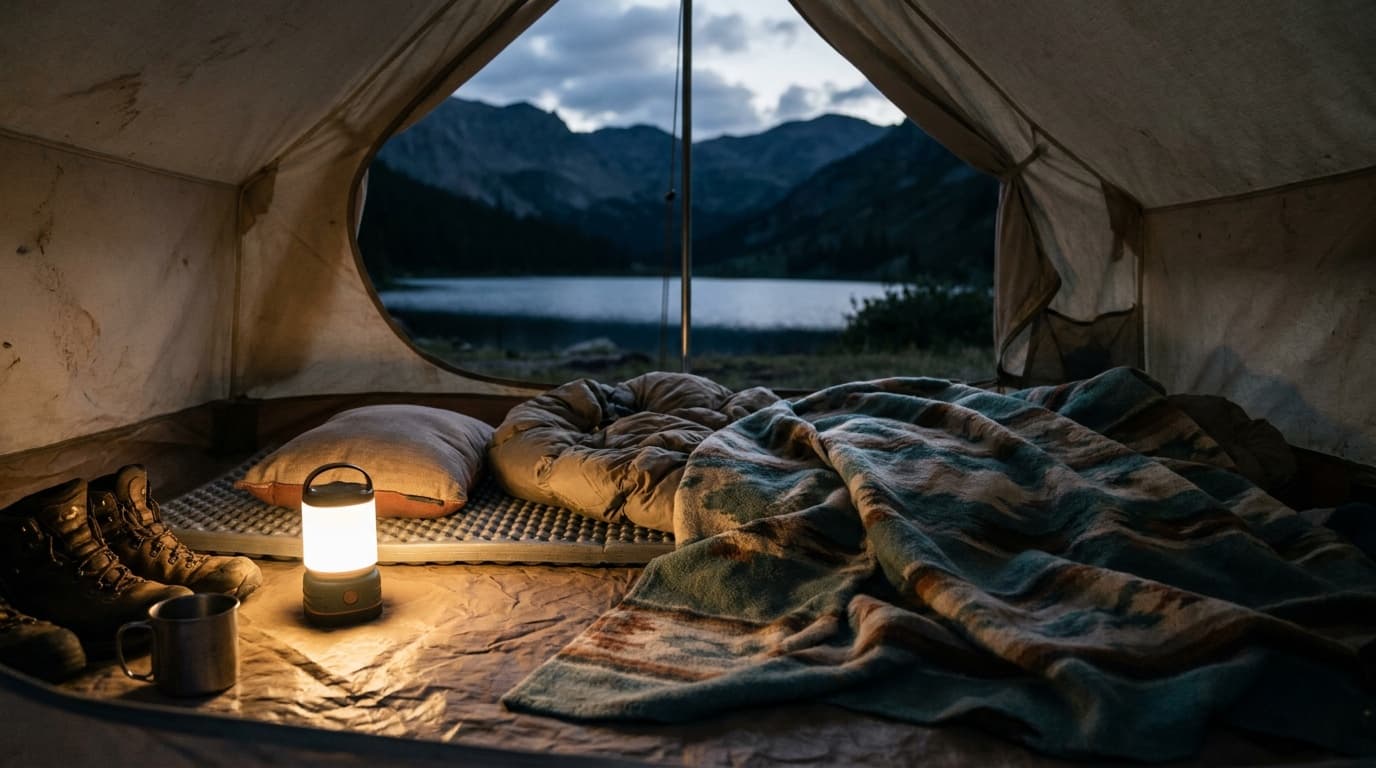
A camp blanket is one of those pieces of gear that sounds redundant right up until the moment you actually want one. If you have ever shivered through a campfire conversation because you were not ready to crawl into your sleeping bag yet, you already know the gap it fills.
What a camp blanket does that a sleeping bag does not
A mummy bag is optimized for one thing: lying still inside a tent at a rated temperature. It is not something you drape over your lap while reading, share with a partner at a trailhead, or stuff behind the seat of a truck for a cold afternoon drive.
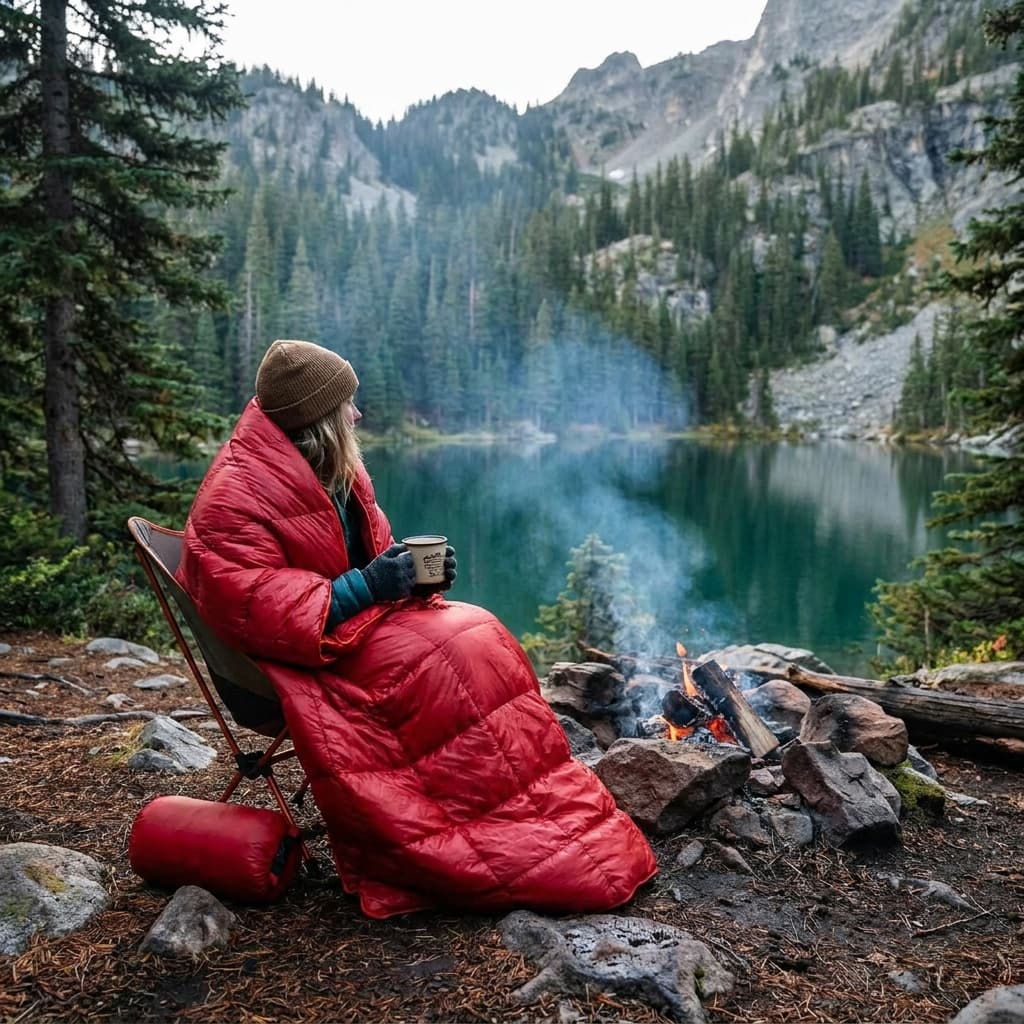
A camp blanket solves the campsite shoulder hours: the time between dinner and when you actually want to sleep. That window can easily be two to four hours, and at elevation or in the shoulder season, temperatures drop fast. A blanket you can wrap around yourself, toss over a dog, or spread on damp grass for a picnic does work that a sleeping bag simply cannot.
The sleeping bag is a tool for sleeping. The camp blanket is a tool for living outside.
The versatility also travels. The same blanket works for:
- Stadium seats and outdoor concerts
- Car camping where weight is irrelevant
- Beach evenings when wind picks up
- Emergency kit in a vehicle
- A warm layer draped over the outside of a sleeping bag to extend its rating by 5–10°F
The three main materials and their real trade-offs
Synthetic puffy blankets are the sweet spot for most campers. Options like the Rumpl Original Puffy Blanket use recycled PET fill or proprietary synthetic insulation, and they pack down to roughly the size of a 32-oz Nalgene. They maintain loft when damp, dry fast, and are machine washable. The main trade-off is that synthetic insulation compresses over time, though quality options hold up for years of regular use.
Fleece blankets are heavier and bulkier but nearly impossible to kill. Polartec 200-weight fleece remains warm when wet, resists pilling better than budget fleece, and has no fill to shift or clump. If you do not need to pack light, a fleece blanket is often the more durable long-term choice for car camping or the back of a truck.
Wool blankets breathe better than either option and naturally resist odors, which matters over a long weekend. A wool option like the Pendleton Yakima Camp Blanket is heavy (3–5 lbs) and expensive ($100–$250), but it lasts decades and works as a picnic blanket, a camp blanket, and a home throw. If you are investing once and want something that doubles as decor, wool earns its price.
When layering a blanket over your sleeping bag actually works
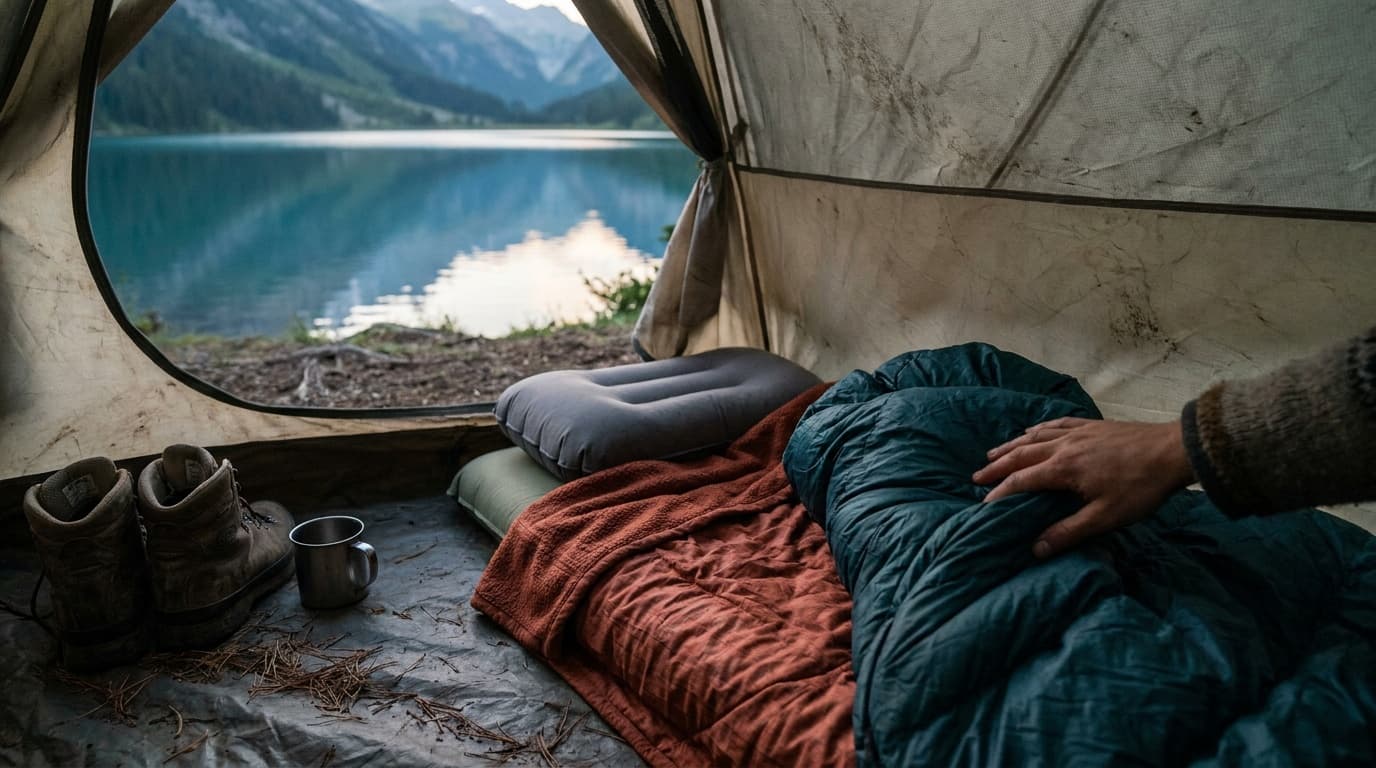
This is an underused tactic for three-season campers who own a summer bag. Draping an insulated blanket over the outside of a sleeping bag adds a meaningful buffer, particularly on the torso and feet where heat escapes first.
How to layer a blanket over a sleeping bag
Tuck foot box first
Wrap the blanket tightly around the foot of the bag before you get in. Cold feet are the first sign of an under-rated bag.
Position on top of torso
Lay the blanket across the chest and stomach; mummy bags lose the most heat where the insulation compresses under your body weight, not the top.
Use a wide blanket
Look for at least 50 x 70 inches to cover a full sleeping bag with overlap on the sides.
Secure the edges
Tuck sides under the sleeping pad to prevent the blanket shifting during the night.
Expect 5–10°F of buffer
This is not a replacement for a properly rated bag, but it extends a 35°F bag into the high 20s reliably.
When to skip the camp blanket
Be honest with yourself about use cases before buying. Skip the camp blanket if:
You already use a quilt. A backpacking quilt is already a camp blanket with a footbox. Doubling up is unnecessary weight.
Your camping is exclusively inside a tent, in a sleeping bag, with no campfire hang. If you go in at dark and come out at sunrise, a blanket adds nothing.
Budget is tight and you already own a fleece hoodie. A heavy fleece top worn while sitting around camp covers the same function at zero additional cost.
You are backpacking and every ounce is contested. A puffy jacket doubles as torso warmth and weighs less than any blanket. Blankets reward car campers and day-hikers most.
What to look for when buying
Focus on these four things before reading any marketing copy:
- Packed size vs. warmth rating. A blanket rated to 30°F that compresses to a grapefruit is a better value than one rated to 40°F that straps to the outside of your pack.
- Water-resistant shell. Ground moisture and campfire condensation are real. A DWR-coated outer shell makes the difference between a blanket you can toss on grass and one you coddle.
- Snap or stuff-sack closure. Snaps let you wear the blanket like a poncho. A stuff sack is tidier but less flexible. Some blankets offer both.
- Washability. Synthetic fills and fleece are machine washable. Wool often requires cold or hand wash. Factor that in if you use it hard.
Frequently asked questions
Can I use a camp blanket as a sleeping bag in summer?
In mild conditions above 55°F, yes. Wrap yourself fully and tuck the edges under the sleeping pad to reduce drafts. Below that, the open edges lose too much heat and you will wake up cold. A blanket is a good supplement to a sleeping bag; it is not a replacement below summer temperatures.
Are waterproof camp blankets worth the extra cost?
Most camp blankets are water-resistant rather than waterproof, and that is usually sufficient. A DWR-treated shell sheds light moisture and dew; a fully waterproof outer fabric tends to feel stiff and reduce breathability. Look for DWR-coated synthetic shells and re-treat them with a wash-in DWR product like Nikwax TX.Direct after several seasons of use.
How do synthetic camp blankets compare to down blankets?
Down blankets are lighter and more compressible for a given warmth level, but they lose loft when wet and cost significantly more. Synthetic fill performs consistently in damp shoulder-season conditions, which describes most campfire-hang situations. Unless you are also using the blanket for backpacking where weight is critical, synthetic is the more practical choice for camp use.
For specific picks across all three material types and price points, see our guide to the best camp blankets. Browse all camp guides or read how we research and rate gear.
Recommended gear
Our current top picks from the Best camp blankets for car camping and the campsite (2026) guide, if you are ready to buy.

Best for: Car campers, festival-goers, and van travelers who want a single blanket that handles cool nights, morning damp, and stadium seating equally well.
- Hands-free Cape Clip and paracord corner loops make it genuinely versatile at the campsite, stadium, or tailgate
- Roll-top stuff sack has a tight opening that can be frustrating in cold conditions
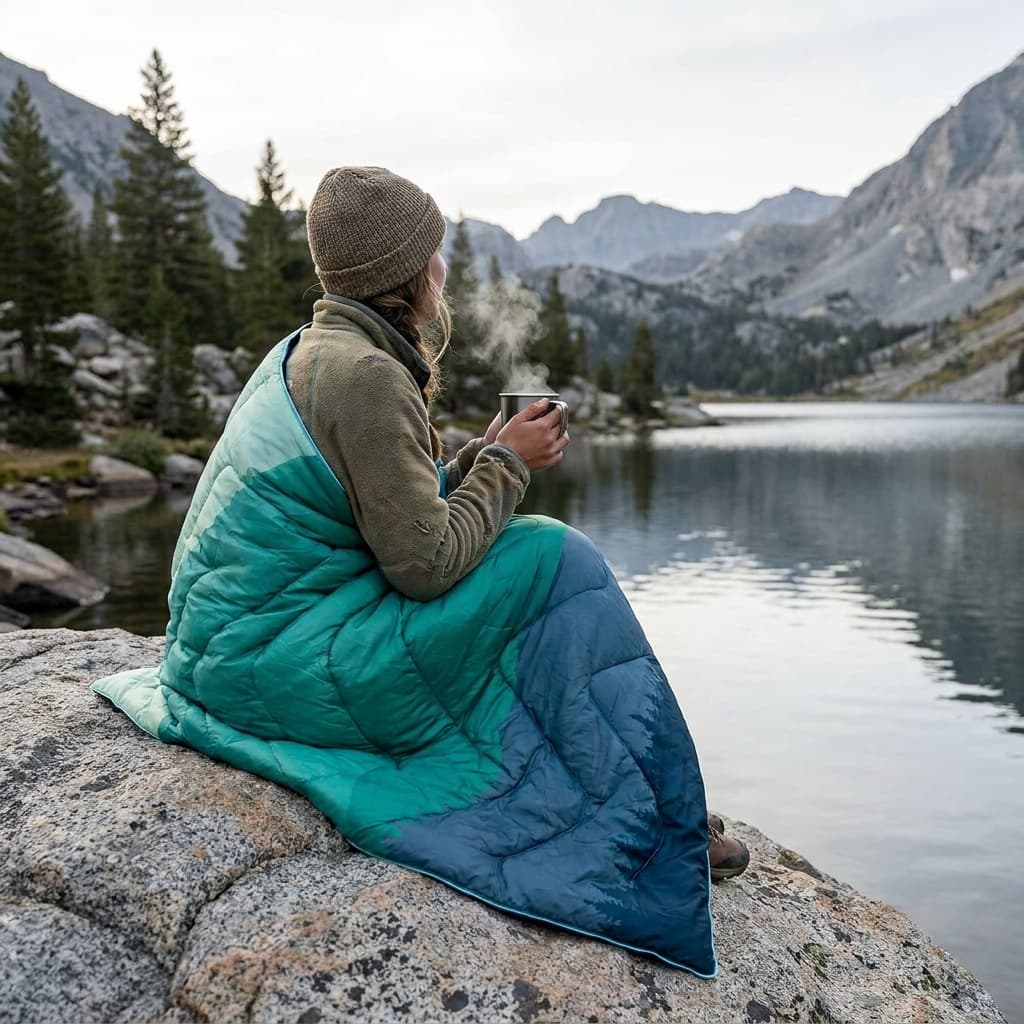
- Material
- 100% recycled 30D ripstop polyester shell, RenewaLoft synthetic insulation (240 gsm)
- Dimensions (1-person)
- 52" x 75"
- Weight (1-person)
- approx. 2.2 lb
- Packed Size
- 7" x 16"
- Water Resistance
- PFAS-free DWR coating
- Care
- Machine washable
About this pick
The Rumpl Original Puffy is a packable synthetic camping blanket built from fully recycled materials, with a ripstop polyester shell treated with a PFAS-free DWR finish. It works as a lap blanket, campfire throw, stadium wrap, or car camping layer down to around 45 F.
Strengths
- Hands-free Cape Clip and paracord corner loops make it genuinely versatile at the campsite, stadium, or tailgate
- Ranked among the warmest synthetic camping blankets in independent lab testing, outperforming many pricier alternatives
- Made from 100+ post-consumer recycled plastic bottles, with a soft yet water-shedding outer shell
Weaknesses
- Roll-top stuff sack has a tight opening that can be frustrating in cold conditions
- Packs bulkier than premium down options at the same warmth level
Kit Score breakdown
Best for: Families and couples doing car camping, glamping, or hammock hangs where weight is not a concern and sharing a blanket around the fire is the whole point.
- Genuine two-person coverage at 82" x 80" with CloudLoft insulation that outperformed pricier competitors in warmth retention testing
- Heavy and bulky relative to its insulation level, making it impractical for any trip where pack weight matters
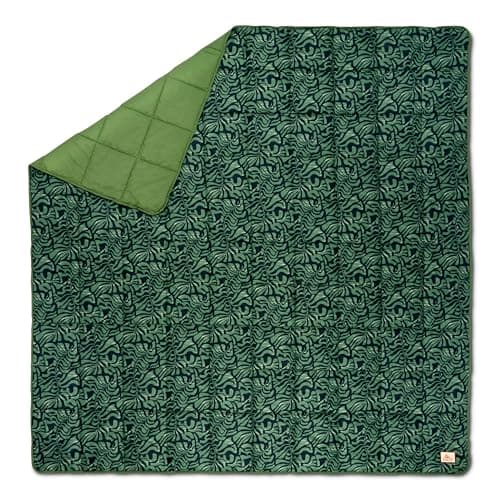
- Material
- 68D recycled polyester taffeta shell with PFAS-free DWR, 75D recycled polyester pongee liner, CloudLoft ECO synthetic insulation
- Dimensions
- 82" x 80" (fits two adults)
- Weight
- 1 lb 15.2 oz
- Packed Size
- 8.75" x 16"
- Water Resistance
- PFAS-free DWR-coated outer shell
- Care
- Machine washable
About this pick
The Kelty Biggie is an oversized two-person camping blanket with CloudLoft ECO insulation sandwiched between a PFAS-free DWR-coated recycled polyester shell and a soft brushed liner. It is big enough to cover a queen airbed and comes with a stuff sack for easy transport.
Strengths
- Genuine two-person coverage at 82" x 80" with CloudLoft insulation that outperformed pricier competitors in warmth retention testing
- Soft brushed liner is noticeably plusher than other budget options, and the DWR outer shell handles light spills and morning dew
- Machine washable and affordably priced, making it a practical pick for families and frequent car campers
Weaknesses
- Heavy and bulky relative to its insulation level, making it impractical for any trip where pack weight matters
- No cape clip, corner loops, or other features found on premium blankets at twice the price
Kit Score breakdown
GLORSIGN
GLORSIGN Outdoor Puffy Camping Blanket
Best Budget
Kit Score 6.8/10
$32.29 Price checked Oct 23, 6:22 AM CDT
Best for: Budget-conscious car campers and tailgaters who want the puffy-blanket experience with DWR protection for casual cool-weather outings.
- Cape clip and corner staking loops are features usually reserved for blankets costing two to three times as much
- Noticeably thinner insulation than premium synthetic options; comfort floor is around 50 F rather than true three-season use
- Material
- 100% recycled polyester shell and insulation, DWR coating
- Dimensions
- 80" x 60"
- Weight
- 1 lb 10.2 oz
- Packed Size
- 15" x 10"
- Water Resistance
- DWR-coated outer shell
- Care
- Machine washable
About this pick
The GLORSIGN Outdoor Puffy Blanket is a budget-friendly recycled polyester throw with a DWR-coated shell, a cape clip for hands-free wearing, and corner loops for staking down. It delivers the core puffy-blanket format at roughly a third of the Rumpl price.
Strengths
- Cape clip and corner staking loops are features usually reserved for blankets costing two to three times as much
- DWR coating sheds light rain and spills effectively for the price tier
- Made from recycled materials and available in mountain-print patterns that look sharp at the campsite or stadium
Weaknesses
- Noticeably thinner insulation than premium synthetic options; comfort floor is around 50 F rather than true three-season use
- Material feel and long-term durability are rated meaningfully lower than Rumpl or Kelty in side-by-side comparisons
Kit Score breakdown
See all picks in Best camp blankets for car camping and the campsite (2026)
Keep going
Complete loadoutCar-camping starter kitThe first-trip essentials across shelter, sleep, cooking, lighting, seating, and water, with the extras left out.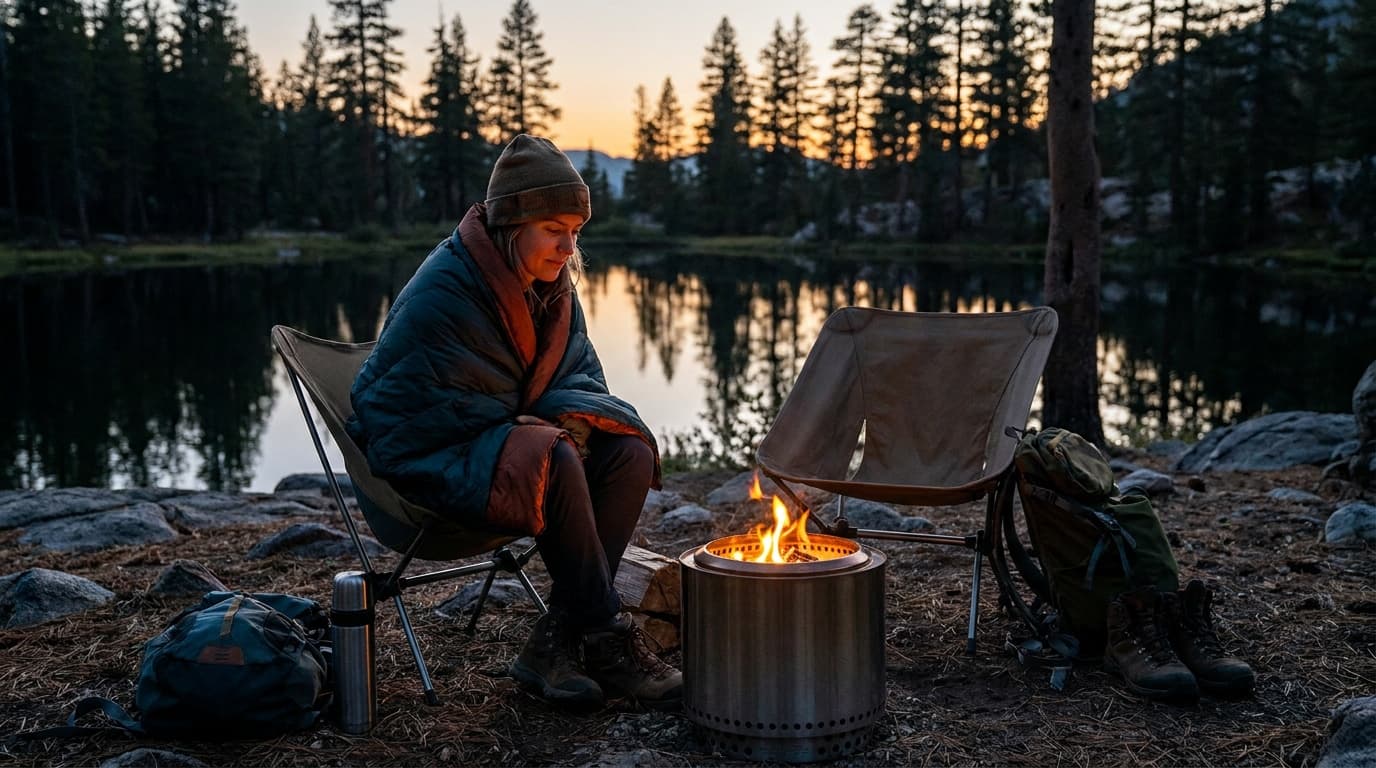
Researched, not hands-on tested
Updated Jun 4, 2026Our recommendations draw on manufacturer documentation, retailer listings, owner feedback, and comparisons with alternatives.
As an Amazon Associate I earn from qualifying purchases. We may earn a commission from links here, at no extra cost to you. How we research →